_1764041963888.webp)
Could Holy Berry Powder Enhance Beverage Product Innovation?
May 30, 2026
By introducing special functional wellness qualities that appeal to today's health-conscious consumers, Holy berry powder, also known as chasteberry or Vitex agnus-castus extract, can greatly improve beverage product innovation. This botanical ingredient contains natural active components that support endocrine wellness, has strong antioxidant profiles, and has unique taste qualities that set goods apart in competitive markets. Premium-grade chasteberry products that have been tested and proven to be 99% pure through Thin-Layer Chromatography are now available to beverage companies that want to make drinks that focus on health. Because the powder dissolves easily in both water and ethanol, it can be used in a wide range of drinks, including ready-to-drink teas, functional milkshakes, health shots, and adaptogenic drinks. With certificates like ISO9001, Kosher, Halal, FDA, and GMP compliance, this ingredient gives makers the quality guarantee they need to sell their products all over the world. It also meets customers' desire for clear, science-based health ingredients.
Understanding Holy Berry Powder and Its Unique Properties
Comprehensive Nutritional and Phytochemical Profile
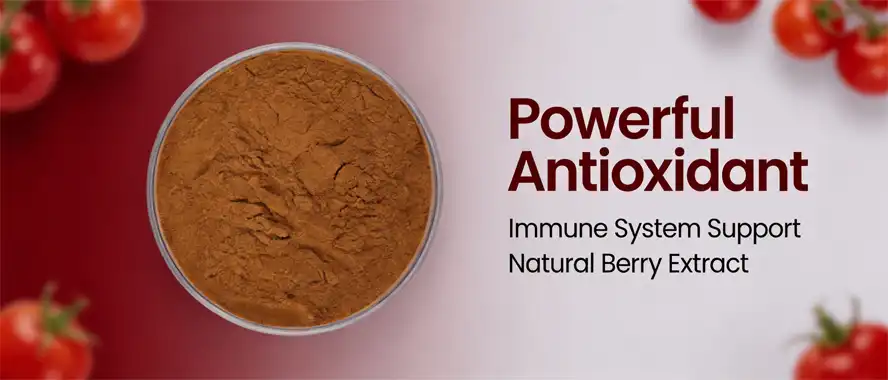
The chasteberry juice has a lot of different bioactive chemicals that make it very useful for coming up with new drinks. Our improved method for extracting plants concentrates iridoid chemicals, flavonoids like vitexin, diterpenes, and phytosterols—all important parts that help the endocrine system work and keep you healthy in general. These phytochemicals work together to protect against free radicals and keep the plant purity that people are looking for more and more in functional drinks. The dark brown to brownish color of the powder comes from naturally kept pigments that show little thermal breakdown during processing. Unlike manufactured additives, these natural phytochemicals deliver rich nutritional value, with a long history of traditional herbal application in Europe.
Advanced Production Methods Preserving Bioactivity
The dual-extraction method we use is a big step forward in the technology used to process plants. When carefully chosen ripe fruits are mechanically pressed, the juice is extracted. The leftover pulp is then gently extracted to make sure that any lipid-soluble actives are not lost. After being mixed, this juice goes through a low-temperature vacuum concentration process. It is then spray-dried with natural maltodextrin to make it more stable. The powder that is made has particles that are between 80 and 120 mesh, which ensures that they are evenly spread and that they flow easily during the making process. This uniform spread of particle sizes keeps them from sticking together and ensures that dosing is the same across production batches, which is very important for beverage companies that make large amounts of drinks. The powder quickly mixes with liquids, so it doesn't form sediments as some plant ingredients do. This makes for clear, aesthetically pleasing drinks that stay in suspension throughout their shelf life.
Safety Profile and Quality Assurance Standards
Product makers still need to know about dosage guidelines and safety factors. Daily usage of 500 mg to 1000 mg is widely adopted in relevant application research. This means that the formulation can be changed to work with a variety of beverage types. The ingredient has a well-established safety profile, with few known side effects when used in the amounts that are suggested. As part of our strict testing procedures, we look for heavy metals, microbes that could be harmful, chemical residues, and active compounds using the TLC method. Certificates of Analysis that list purity levels, liquid residues, and moisture content are part of the quality paperwork that goes with each production run. These quality controls make sure that foreign markets are compliant and give procurement workers the tracking they need when they are looking at new ingredient sources.
Holy Berry Powder Vs. Other Popular Botanical Powders in Beverage Innovation
Comparative Functional Advantages
Compared to well-known plant-based ingredients like moringa and ashwagandha, chasteberry extract has unique health effects that appeal to certain groups of people. While moringa provides a wide range of nutrients and ashwagandha helps the body deal with stress, holy berry powder features unique nutritional properties for endocrine and daily wellness care, which is a growing market area, especially among women aged 25 to 45. This specific positioning lets beverage companies make targeted product lines that meet targeted nutritional demands instead of fighting in wellness categories that are already very crowded. The antioxidant power of the ingredient, which can be tested by ORAC values similar to those of berry-based plants, lets the company make more marketing claims without having to use complicated multi-ingredient mixes. There is a mildly herbal and slightly bitter note to the flavor that goes really well with fruit bases, plant tea mixes, and adaptogenic beverage systems without overpowering the main tastes.
Organic Versus Conventional Sourcing Considerations
When choosing between organic and standard chasteberry sources, you have to think about how much they cost, how good the quality is, and what certifications are needed. Organic approval raises the prices of ingredients by about 15 to 25 percent, but it has big marketing benefits in expensive beverage markets where claims of clean labels are what make people buy. When we buy from China instead of Europe, we can get better prices and still meet world quality standards because the factories are GMP-certified. The choice affects not only the cost of buying things but also the dependability of the supply chain, since organic farming methods can make harvests less stable. Conventional production has more stable prices and returns, so it's good for brands that want to save money and make sure their large-scale output is consistent. The active compounds in both choices stay the same when they are extracted using the same methods. This means that they are functionally equivalent, no matter what kind of farming certification they have.
Supplier Evaluation Across Global Markets
To figure out how trustworthy a provider is, you need to look at their certifications, production capacity, quality paperwork systems, and ability to handle logistics. Chinese makers currently make most of the world's goods because they have well-established growing areas and facilities for improved extraction technology. Suppliers with ISO9001, Kosher, Halal, and FDA licenses show they are committed to international quality standards, which is important for shipping goods across borders. Batch checking can be done faster in production facilities with their own testing labs than in facilities that hire outside testing services. Different types of imports and buyer experience levels can be accommodated by shipping terms like FOB, CIF, CFR, EXW, DAP, and DDP. Starting with 1 kg, minimum order amounts make it possible to develop and test small batches of a product before making large purchases. This lowers the financial risk during the creation phase.
How Holy Berry Powder Can Drive Beverage Product Innovation
Practical Application Across Beverage Categories
Because the ingredient is so flexible, it can be used in a wide range of beverage types, each of which benefits from different parts of its nutritional profile. Ready-to-drink wellness teas can use the powder because it naturally works well with plant flavor systems. This creates taste combinations that work well together and communicate health benefits through the senses. Health shot formulas use concentrated dosing to give clinically relevant amounts of active chemicals in 60–90ml servings without needing to be taken in large amounts. Smoothie uses the powder's great dispersion properties to keep the product's good looks while adding health claims that support the higher price. Holy berry powder extract can be used as a natural adaptogen in energy drinks, setting them apart from rivals that focus on caffeine through stress-response support messages.
Regulatory Compliance and Labeling Strategies
These examples show how beverage companies use a single plant ingredient to create new products in a certain area. Chasteberry might be the star ingredient in a line of health teas for women, with raspberry leaf and nettle serving as supporting plants. A functional beverage brand that aims to balance hormones could make a trio of products that help women at different times of their lives, from support wellness care for women at different life stages. The natural history of the ingredient, which has roots in traditional European herbalism, makes for a more real marketing story that appeals to people who want to avoid manufactured supplements. Product makers can use the powder's ability to dissolve in ethanol to make drinks that taste like plant tinctures, or they can use its ability to mix with water to make clean-label, ready-to-drink drinks.
To get around legal systems, you need to know how the classification of chasteberry extract changes from market to market. In the US, the nutrient usually gets GRAS status when used correctly, which means it can be easily added to drinks without going through a lot of pre-market approval steps. Vitex agnus-castus is recognized in European markets through the usual plant registration processes. However, some health claims need to be backed up by research findings. To be honest, product labels should say things like "Chasteberry Extract (Vitex agnus-castus) standardized to 99% purity" to show that the active ingredient has been properly standardized. Because the ingredient doesn't contain any common allergens, allergy statements stay simple. This makes labeling compliance easier. Manufacturers should keep records that connect claims about finished products to the exact extract standardization that was used. This will help them meet the requirements for proof during regulatory reviews or when customers ask about the effectiveness of the product.
Procurement and Supply Chain Considerations for B2B Clients
Strategic Bulk Purchasing and Cost Analysis
To do good buying, you need to know how prices work for different order sizes and shipping situations. When comparing prices, buying in bulk in 25 kg drums is the most cost-effective option. Prices usually range from $45-75 per kilogram, but can change based on order size, licensing needs, and payment terms. When compared to letter of credit plans, bank transfer (T/T) payment methods get better prices because they have lower banking fees and settle funds faster. Long-term supply deals that last between 6 and 12 months let makers lock in prices during times when commodity prices are volatile and make sure they have a steady supply of ingredients for new products that need them. To get a true picture of total landed costs, cost-efficiency analysis should look at more than just unit prices. It should also include transportation costs, the cost of keeping inventory, and the cost of quality checks.
Supplier Vetting and Quality Assurance Protocols
To build trusting relationships with suppliers, you need to use organized review methods that check technical skills, quality control systems, and operating openness. By asking for Certificates of Analysis from several production runs, you can see that the amounts of active compounds and contamination screening results are always the same. Factory checks or inspection reports from a third party make sure that the production areas meet the certification standards and follow the right handling methods to keep products from getting contaminated. When suppliers offer OEM and ODM services, they show that they know a lot about manufacturing beyond just supplying raw materials. This could lead to value-added services like custom extraction ratios or unique package setups. Responding to questions during the inquiry phase is a good indicator of how well the collaboration will go in the future. Suppliers who provide detailed technical specifications, application guidance, and sample availability within reasonable timeframes usually keep up these service standards throughout ongoing partnerships.
Logistics Management and Import Considerations
Knowing your delivery choices can help you get the best time and prices for your supply chain. Express shipping can get samples to you in 5 to 7 days if you need them quickly or for small trials, but the cost per kilogram is too high for large orders. Air freight offers a reasonable price for a transit time of 10 to 15 days, making it a good choice for first production runs or items whose demand estimate isn't clear. When it comes to established goods with regular usage trends, sea freight is still the most cost-effective option. It takes 25–40 days to travel, but the cost of logistics per unit is 60–80% less than with air transport. Different markets have different rules about what can be imported. For example, some places need plant ingredients to be registered or import permits to be acquired before they can be shipped. Working with foreign providers who handle paperwork like commercial invoices, packing lists, certificates of origin, and phytosanitary certificates when needed speeds up the customs process and avoids costly shipping delays.
Future Trends and Strategic Insights for Holy Berry Powder in Beverage Innovation
Emerging Market Demand and Consumer Preferences
The market for functional drinks keeps growing because more and more people see drinks as ways to get specific health benefits beyond just staying hydrated and feeling refreshed. According to market data, the women's health segment is one of the fastest-growing functional beverage segments. It is expected to grow at a rate of more than 8% per year until 2028. This group of people actively seeks natural solutions for hormonal balance, monthly pain, and reproductive health. For these uses, chasteberry extract has been used for hundreds of years and is now backed up by modern relevant research data. Younger people are especially interested in plant-based, scientifically proven ingredients that can be serve as natural plant-based options for daily nutritional care. These changes in consumer tastes open up big chances for beverage companies that use holy berry powder as a main ingredient in specialty lines of products that meet the health needs of people at different stages of life.
Technological Advancements Enabling Product Development
New developments in powder stability and extraction technology keep making ingredients better for use in drinks. Microencapsulation methods now protect delicate bioactive chemicals from oxidation and degradation during thermal processing. This makes the products last longer while keeping their effectiveness. Spray-drying parameter optimization creates particle size ranges that are perfect for different types of drinks. For example, clear drinks need particles that dissolve completely, while textured drinks like smoothies need slightly bigger particles that stay in suspension longer. Enzyme-assisted extraction methods increase the yield of target chemicals while lowering the need for solvents. This supports claims of sustainability that are becoming more and more important to brand positioning. With these technological advances, drink makers can make goods that weren't possible before because of problems with unstable ingredients or formulations.
Strategic Integration Into Research and Development
Companies that make drinks should think about adding chasteberry extract to their innovation pipelines by using organized development methods. For the first round of testing, solubility, color stability, taste compatibility, and interactions with other formula parts are tested on a bench. The best options move on to pilot-scale production, where they test things like mixing processes, processing settings, and the compatibility of the packaging. At this point, consumer taste testing finds the best ways to hide flavors and the best formats before full marketing investments are made. By using their application knowledge and formulation libraries, ingredient sources that give technical help can shorten the time it takes to create new products. Working together with providers who can change the specs of an extract or offer exclusive supply arrangements can give you a competitive edge that is hard for your competitors to quickly copy.
Conclusion
There is a potential chance for companies that want to reach the growing women's health market by adding chasteberry extract to drinks. This botanical ingredient has useful benefits backed by science, a clean label appeal, and unique placement benefits that allow it to command higher prices in competitive markets. To be successful, you need to pay close attention to choosing the right provider, making sure the quality is checked, following the rules, and improving the recipe. When manufacturers work with certified providers who offer full technical support, open production options, and reliable transportation, they can shorten the time it takes to come up with new ideas and lower the risks that come with them. As more people look for natural ways to improve their health, extraction technologies get better, and safety profiles are established, holy berry powder becomes an important part of the next generation of functional beverages that meet specific health needs through botanical formulations.
FAQ
Is chasteberry extract safe for beverage applications?
When taken in the suggested daily amounts of 500 to 1000 mg, chasteberry extract is safe. Over the course of several decades, clinical tests have shown that the ingredient has few negative effects. It is also used in traditional herbal usage practices all over Europe. Our 99% pure standard, which is confirmed by TLC testing, makes sure that the amounts of active compounds stay the same while getting rid of contaminants. A full quality check that includes heavy metal analysis, microbial tests, and pesticide residue proof adds another layer of safety. As is usual practice with plant ingredients with endocrine-regulating phytochemicals, beverage makers should put in standard disclaimer text telling women who are pregnant or nursing to talk to their doctors.
How does chasteberry compare to other botanical ingredients like ashwagandha?
Ashwagandha mostly helps with dealing with stress and brain function. Chasteberry, on the other hand, focuses on hormone balance and sexual health. This unique feature lets brands create targeted product positioning instead of fighting in broad health categories. The ingredient has about the same amount of antioxidants as popular berry plants, but it also has its own benefits that have been backed by both traditional use and relevant research data. The taste profiles are very different. Chasteberry has softer plant notes that blend well with fruit-based drinks, while ashwagandha has a strong, earthy taste that needs stronger masking methods.
Where can I source certified organic chasteberry powder?
Certified organic choices are available from plant ingredient sources that keep their organic certification from reputable bodies up to date. China is where most of the goods are made because it has low prices and well-established supply lines. Check that the sellers have up-to-date organic certificates, ask for Certificates of Analysis from recent batches, and compare the minimum order numbers to the time you have to complete your project. Starting with 1 kg trial sizes lets you test the recipe before buying in bulk. Suppliers with a wide range of certificates, such as ISO9001, Kosher, Halal, and GMP, show that their quality systems are mature, which is important for building trusting long-term partnerships that can support large-scale production needs.
Partner With BioSpark for Premium Chasteberry Extract Solutions
BioSpark (Xi'an) Biotechnology Co., Ltd. is an international company that mainly sells high-quality chasteberry powder to businesses that make health supplements, nutraceuticals, and drinks. Our 99% purity guarantee, which is backed up by strict TLC testing, makes sure that you always get high-quality plant products that meet international standards. We know how hard it is for beverage creators to find reliable holy berry powder—from making sure that batches are all the same to figuring out complicated certification requirements and handling global logistics. Our full range of OEM and ODM services helps you develop your product from start to finish, whether you need small samples (1 kg) to try your recipe or large orders (over 1000 kg) for mass production. With ISO9001, Kosher, Halal, FDA, and GMP certifications, we give your brand the quality records and tracking it needs to follow the rules in foreign markets. Contact our technical team at leao@biosparkcn.com to talk about your unique needs for a beverage application, get full product specs, or set up sample packages to show how good our ingredients are. As a reputable holy berry powder maker, we offer flexible delivery terms, enough stock for quick fulfillment, and expert advice to turn your creative drink ideas into market-ready goods that health-conscious customers will love.

References
1. Bone, K., & Mills, S. (2013). Principles and Practice of Phytotherapy: Modern Herbal Medicine. Churchill Livingstone Elsevier.
2. European Medicines Agency. (2016). Assessment report on Vitex agnus-castus L., fructus. Committee on Herbal Medicinal Products (HMPC).
3. Roemheld-Hamm, B. (2005). Chasteberry. American Family Physician, 72(5), 821-824.
4. Webster, D.E., et al. (2006). Activation of the mu-opiate receptor by Vitex agnus-castus methanol extracts: Implication for its use in PMS. Journal of Ethnopharmacology, 106(2), 216-221.
5. Wuttke, W., Jarry, H., Christoffel, V., Spengler, B., & Seidlová-Wuttke, D. (2003). Chaste tree (Vitex agnus-castus)—pharmacology and clinical indications. Phytomedicine, 10(4), 348-357.
6. Grand View Research. (2023). Functional Beverages Market Size, Share & Trends Analysis Report By Product, By Distribution Channel, By Region, And Segment Forecasts, 2023-2030. Market Research Report.

Send Inquiry
Related Industry Knowledge
- Could Holy Berry Powder Enhance Beverage Product Innovation?
- What are the top health benefits of loquat powder?
- Can Tribulus Terrestris Extract Powder Improve Muscle Growth?
- Can Natural Artichoke Extract Improve Bile Production?
- Is Coconut Milk Extract Powder a Healthy Dairy Alternative?
- What Makes the Best Tongkat Ali Extract Powder Stand Out?
- Chamomile Extract in Cosmetics: Calm Sensitive Skin Fast
- What Is Rhizoma Chuanxiong Extract Used For?
- How Kacip Fatimah Extract Supports Hormonal Balance Naturally?
- Why Baicalin Extract Is a Premium Functional Ingredient?