_1764041963888.webp)
Can Gardenia fruit powder Be Used in Beverage Applications?
Aug 04, 2026
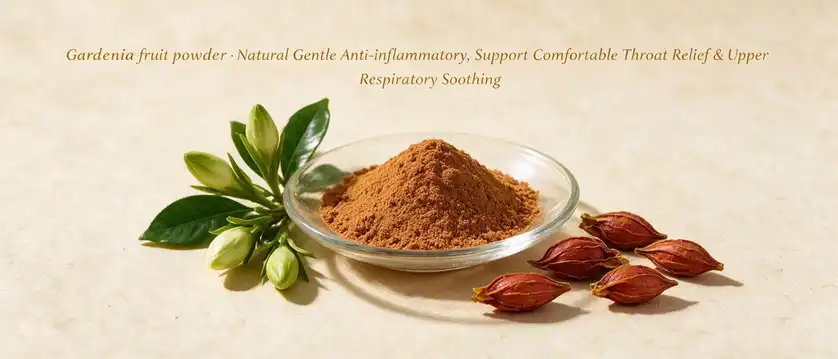
Gardenia fruit powder can absolutely be used in beverage applications. Extracted from the mature fruits of Gardenia jasminoides through advanced plant extraction methods, this brownish-yellow to reddish-brown fine powder offers exceptional water solubility, making it ideal for incorporation into teas, functional drinks, juices, and smoothies. With standardized geniposide content of 10% confirmed by HPLC testing, gardenia extract delivers consistent quality, natural coloring properties, and valuable health benefits that appeal to today's health-conscious consumers.
What Is Gardenia Fruit Powder and Its Benefits in Beverages?
Knowing where Gardenia fruit powder comes from botanically and what it does helps people who make drinks and people who buy things make smart decisions about where to get things.
Botanical Origin and Processing Methods
Gardenia fruit powder comes from the plant Gardenia jasminoides, which is in the family Rubiaceae and has been used for hundreds of years in Asian health practices. The process of extraction keeps the bioactive compounds and concentrates the good nutrients into a fine, stable powder. Iridoid chemicals, especially geniposide and genipin, as well as chlorogenic acid, ursolic acid, and flavonoids, stay intact when plants are extracted using advanced methods. This standardised method makes sure consistency from batch to batch, which is very important for making drinks for sale.
Key Bioactive Compounds and Their Functions
Gardenia fruit powder is very useful for making healthy drinks because it has a lot of active ingredients. Geniposide is the main quality control marker, and expensive goods usually have a standard level of 10% of it. Along with crocetin, which gives the food its natural yellow colour, this iridoid molecule acts as an antioxidant to keep the food stable and provide health benefits to consumers. When you mix these beneficial ingredients, they can help reduce inflammation, protect the liver, and maybe even protect neurones, according to a new study.
Health Benefits for Beverage Consumers
Drinks made with Gardenia fruit powder are good for you in many ways, and they fit with the market trend toward healthy drinks. In traditional uses, it is used to get rid of heat and reduce inflammation, which helps keep the digestive system and liver healthy. Modern studies back up these traditional uses by showing that geniposide increases the production of bile and has protective properties that can be measured. Because of these qualities, gardenia-enhanced drinks are good choices for people who want natural ingredients that have been proven to work in the past and in science.
Sensory Profile and Consumer Appeal
Gardenia fruit powder adds unique sensory qualities to beverage formulas in addition to its useful properties. The typical smell of gardenia fruit adds light botanical notes that don't overpower the main flavours. Synthetic colourants are replaced by natural yellow colouring in clean-label goods, meeting customer demand for ingredients that can be recognised. As a mild flavour enhancer and a pretty appearance, Gardenia fruit powder is perfect for ready-to-drink teas, wellness shots, and plant beverage mixes where natural looks are important.
Comparing Gardenia Fruit Powder with Other Popular Beverage Ingredients
When creating drink recipes, comparing Gardenia fruit powder to other botanical ingredients helps find the best ways to position and make the recipes.
Functional Advantages Over Common Alternatives
Compared to common ingredients like ginger or matcha, Gardenia fruit powder has clear benefits. Turmeric is good for you because it contains curcumin, but it gives drinks a strong yellow colour and an earthy flavour that can take over. Gardenia fruit powder has similar antioxidant benefits, but it has a much smaller effect on taste and a more controlled effect on colour. This makes it easier to formulate, especially in drinks where the balance of subtle flavours is important. Gardenia fruit powder dissolves better in water than many plant extracts, so it doesn't need special emulsification methods to spread evenly.
Quality Specifications and Certifications
When looking at Gardenia fruit powder providers, B2B procurement teams should give more weight to those who offer complete quality paperwork. Premium products have HPLC tests that show that the active ingredient is standardised, and the content of geniposide is usually 10%. As part of the strict safety testing, over 400 herbicide residues are looked for, and heavy metal standards of less than 0.5 mg/kg for arsenic and 1.0 mg/kg for lead are confirmed by ICP-MS testing. Microbiological control makes sure that the total plate counts stay below 1000 cfu/g and that E. coli is not present. Salmonella and E. coli. Manufacturers who have ISO9001, GMP, Kosher, Halal, and FDA compliance certifications show that they follow international quality standards during production.
Organic Versus Conventional Options
Choosing between organic and regular Gardenia fruit powder changes how much it costs, how it is marketed, and who the target customers are. Organic varieties cost more, but they let you make clean-label claims that are becoming more important in North American and European markets. Conventional choices are cheaper for formulations that need to stick to a budget, and they are safe and effective as long as they come from approved sources. Both types have the same amount of geniposide and the same useful qualities, so formulators can choose based on brand positioning instead of differences in performance.
Practical Guide: How to Use Gardenia Fruit Powder in Beverage Formulations
To successfully use Gardenia fruit powder in commercial beverage production, you need to know the best ways to use it, how to process it, and how to make the drink so that it stays stable and customers are happy.
Recommended Dosage Levels by Beverage Category
Dosing that works depends on the type of drink and the effect that is wanted. Ready-to-drink teas usually have 50–150 mg of Gardenia fruit powder in each dose to give them a mildly better colour and antioxidant effects without changing the way they taste. For concentrated bioactive delivery, functional wellness shots that make health claims may have 200 to 500 mg per 2-ounce dose. Blended juices and smoothies are good ways to get 100–300 mg in an 8–12-ounce dose, which is good for your health and saves you money. These ranges keep the organoleptic qualities while adding functional components that can be measured.
Processing Techniques for Maximum Stability
When combined with the right ingredients, Gardenia fruit powder shows excellent stability. Because the ingredient is water-soluble, cold-water dispersion works well; only moderate stirring is needed for full breakdown. For heat-sensitive chemicals to stay safe, temperatures should stay below 85°C during hot extraction, which is often used in tea recipes. The powder stays stable at pH levels between 3.5 and 7.0, which means it can be used in a wide range of drinks, from slightly acidic fruit drinks to neutral health waters. Adding Gardenia fruit powder at the end of the process, after the heat processing, helps keep the bioactive ingredients in the mixture longer.
Commercial Application Examples
Well-known beverage companies have successfully introduced gardenia-enhanced goods in several different categories. Gardenia fruit powder and natural colouring are used in ready-to-drink teas sold in Asia to promote traditional health benefits. European companies that make functional drinks use the ingredient in detox-focused recipes that stress liver support claims. In North America, health shot brands use Gardenia fruit powder along with other plants that are good for the liver, like milk thistle and dandelion root. These apps show that they are popular in the market and can be used by a wide range of consumers.
Safety and Regulatory Compliance
With a centuries-long history of use, Gardenia fruit powder continues to have a reliable safety profile. The ingredient is generally thought to be safe when used at the recommended levels. There aren't any common food allergens present, so there aren't many concerns about it being allergenic. Different areas have different regulatory statuses. For example, GRAS status makes it easier to sell in the US, while Novel Food Regulations apply to formulas in Europe. Asian markets, especially Japan and China, know that Gardenia fruit powder can be used in food and traditional medicine. Procurement teams should make sure that the paperwork from suppliers meets the needs of the target market.
Navigating the Procurement Process for Gardenia Fruit Powder in Bulk
To get Gardenia fruit powder strategically, you need to carefully evaluate suppliers, follow quality control rules, and manage the supply chain so that the product is always available and honest.
Supplier Evaluation and Certification Requirements
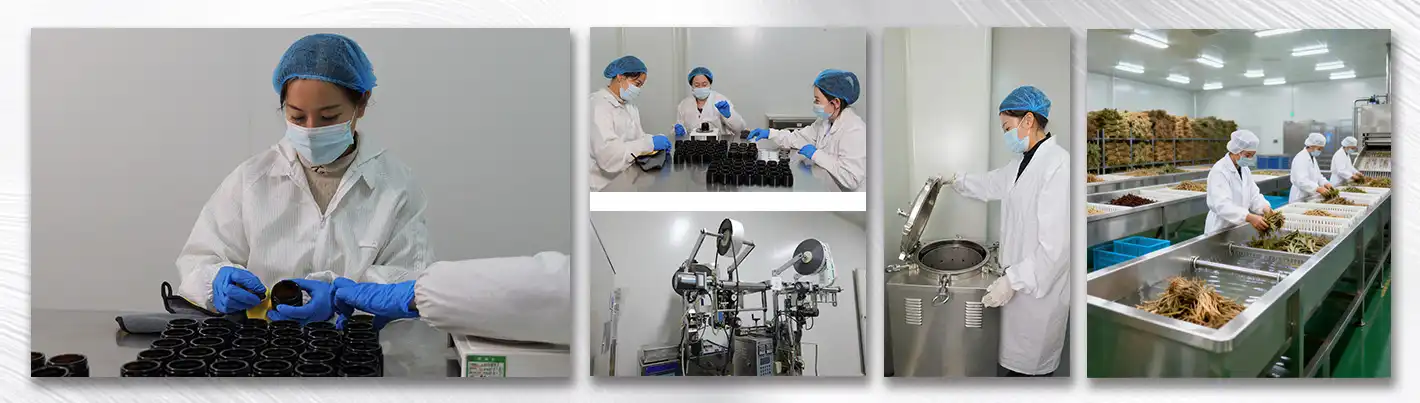
Checking the manufacturing credentials and quality systems of potential suppliers is the first step in choosing reliable ones. Look for partners who have ISO9001 approval, which shows that they handle quality in a planned way throughout the whole production process. Good manufacturing practices (GMPs) must be followed when making ingredients that are safe for food. Third-party approvals, such as Kosher and Halal, help finished drinks reach more customers. Ask for proof of analysis for some batches that shows HPLC test results proving geniposide standardisation, reports on chemical screening, heavy metal analysis, and microbiological testing. Reliable sellers provide tracking paperwork that links the finished powder to the growing areas where it came from.
Bulk Purchasing Considerations and Pricing
When buying Gardenia fruit powder in bulk, it's important to find a balance between saving money and keeping track of supplies. For review samples, the minimum order quantity is usually 1 kg. Production orders are usually packed in 25 kg drums, which makes them easier to handle and store. Specification levels are reflected in pricing structures. For example, standardised 10% geniposide goods cost more than non-standardised options, but they consistently work well, so the extra money is worth it. Different logistics preferences and cost allocation strategies can be met by different delivery terms, such as FOB, CIF, CFR, EXW, DAP, and DDP. Negotiating multi-order contracts is a good way to get bulk savings and make sure you always have supplies.
Quality Assurance and Sample Testing
Strong testing of arriving materials guards both the quality of the product and the image of the brand. Before placing a large order, you should ask for pre-shipment samples that can be checked by an independent laboratory. Third-party testing by accredited laboratories confirms specifications in an unbiased way. Key checks include looking at it to make sure it's a brownish-yellow to reddish-brown colour, using HPLC to make sure it has the right amount of geniposide, testing how well it dissolves in water and ethanol, checking the moisture content, and making sure it's completely safe. As part of the proof, fingerprint chromatography should be used to prove that the plants are real and that manufactured yellow colour has not been added.
Logistics and Supply Chain Management
From the factory to the production line, the integrity of the product is protected by a reliable transportation system. Express delivery, air freight, and sea freight are all shipping methods that balance the need for speed with the need to save money. Transport with climate control keeps Gardenia fruit powder stable while it's in transit, especially for foreign packages that go over long distances. Just-in-time manufacturing methods work best when suppliers keep enough stock on hand to allow for quick fulfilment. Payment terms usually favour bank transfers, and after building a relationship with a supplier, they will often offer net-30 or net-60 terms. Having clear ways to communicate that take into account different time zones makes the buying process go more smoothly.
Future Trends and Market Opportunities for Gardenia Fruit Powder in the Beverage Industry
As the market for natural ingredients changes, beverage companies that strategically add Gardenia fruit powder to their product lines can grow their businesses.
Consumer Demand Shifts Toward Functional Botanicals
Market study shows that functional drink groups that focus on natural products with a history of traditional use will continue to grow. In North America, people are looking for botanicals that offer specific health benefits beyond basic nutrients. This is causing the functional beverage market to grow at rates higher than 8% per year. Gardenia fruit powder fits right in with this trend because it has uses that go back hundreds of years and are now backed up by science. The ingredient's ability to work as both a natural colourant and a bioactive component makes it a good choice for brands that want to replace synthetic additives with "clean label" ingredients.
Processing Technology Innovations
As extraction and standardisation technologies get better, Gardenia fruit powder gets better and can be used in more ways. Better extraction methods get more useful material while having less of an effect on the environment by using fewer solvents. Microencapsulation methods that are still being worked on promise better stability in difficult beverage systems like carbonated drinks or high-acid mixes. Spray-drying improvements make powders work better for certain uses, like instant tea mixes that need to dissolve quickly or dry drink mixes that need to stay stable for a long time. These advances in technology give product developers more ways to formulate their products.
Strategic Positioning and Product Differentiation
Brands of drinks can use Gardenia fruit powder to set themselves apart in crowded stores. People who value cultural authenticity in wellness products like it when products highlight traditional botanical heritage. Putting the focus on natural colouring helps marketing messages about getting rid of fake additives. Gardenia fruit powder can be combined with other botanicals that work well together to make formulations that meet specific health needs. For example, pairing Gardenia fruit powder with green tea can increase its antioxidant capacity, and pairing it with probiotics can make beverages that focus on gut health. With these tips, Gardenia fruit powder goes from being a simple item to a way to make a brand stand out.
Customized Development Opportunities
OEM and ODM services from specialised suppliers make it possible to make products that are exactly what the market wants. Brands can work with their manufacturing partners to come up with their own unique Gardenia fruit powder specifications. These specifications can include changing the concentrations of geniposides, finding the best colour intensity, or making custom blends with botanicals that go well with Gardenia fruit powder. Small-batch artisanal launches can happen at the same time as large-scale commercial production as the products become more popular. This partnership method cuts down on development costs and time to market while giving you access to highly skilled technology experts.
Conclusion
Gardenia fruit powder is a flexible and scientifically proven ingredient that can help beverage companies in many ways, both functionally and in terms of marketing. It dissolves easily in water, has a standard bioactive content, natural colouring qualities, and a well-known safety profile, which makes it perfect for making new functional drinks that health-conscious people will like. If you buy Gardenia fruit powder from qualified sellers who offer full quality paperwork and dependable logistics support, it will always work well in tea, juice, smoothies, and wellness shots. The market for natural functional ingredients is growing, and new technologies are making ingredients work better. This makes Gardenia fruit powder an important part of brands that want to stand out in the competitive beverage market.
FAQ
1. What about Gardenia fruit powder makes it good for use in drinks?
Gardenia fruit powder dissolves easily in water, so it can be added to liquid mixtures without the need for special emulsification. The mild flavour doesn't take away from the taste of the drink, and the natural yellow colouring makes it look nice. Standardised bioactive content makes sure that all production batches have the same useful benefits, which is what is needed for business manufacturing.
2. What effect does geniposide have on the quality of a product?
Geniposide is the main quality indicator in Gardenia fruit powder, and goods that are 10% standardised are considered to be of the highest quality. Higher levels of geniposide are linked to more antioxidant activity and beneficial effects. Verification of HPLC testing ensures accurate labelling and reliable performance in drinks that are already made.
3. Can gardenia powder completely take the place of artificial colourants?
Gardenia fruit powder can be used instead of synthetic yellow colourants in a lot of beverage recipes, especially for products that want to be seen as "clean label." Crocetin is a natural pigment that gives drinks their colour even when the pH level changes. Changing the dose changes the strength of the shading, which gives formulators more options while still using natural ingredients.
4. How should gardenia powder be stored so that it lasts as long as possible?
Gardenia fruit powder should be kept in airtight containers that are out of the way of heat, light, and wetness. In places with low humidity, the best temperatures for storage are between 15°C and 25°C. Products that are stored properly keep their potency and quality for 24 months after they were made, which helps with managing inventory for business production plans.
Partner with BioSpark for Premium Gardenia Fruit Powder Supply
Gardenia fruit powder can be purchased from BioSpark with confidence. BioSpark is ready to help you come up with new drinks by making fine Gardenia fruit powder that meets strict international quality standards. Our product has a standard 10% geniposide content that has been checked using HPLC. It also has many certifications, such as ISO9001, GMP, Kosher, Halal, and FDA compliance, and it dissolves easily in water, which makes it easy to add to other ingredients. We keep enough in stock to quickly ship by express, air freight, or sea freight, and our terms are flexible, ranging from FOB to DDP. For product development, you only need 1 kg. For business production, you need a lot of them. Our OEM and ODM services can meet your needs. As a provider of Gardenia fruit powder with a lot of experience, we help with the whole process, from the first meeting to the final delivery. We do this with strict quality control and clear supply chain management. Email our team at leao@biosparkcn.com to get samples, talk about unique requirements, or find out how our plant extracts can help your beverage line.
References
1. Chen, Y., & Zhang, H. (2019). Bioactive Components and Health Benefits of Gardenia jasminoides: A Comprehensive Review. Journal of Functional Foods, 58, 396-408.
2. Liu, J., Wang, X., & Chen, L. (2020). Application of Natural Plant Extracts in Functional Beverage Development: Focus on Traditional Chinese Medicinal Herbs. Food Science and Technology International, 26(4), 287-301.
3. Martinez, R., & Thompson, K. (2021). Natural Colorants in the Beverage Industry: Safety, Stability, and Consumer Acceptance. International Journal of Food Science and Technology, 56(6), 2847-2859.
4. Park, S., Kim, J., & Lee, M. (2018). Iridoid Glycosides from Gardenia jasminoides: Extraction, Quantification, and Functional Properties. Phytochemistry Reviews, 17(5), 925-942.
5. Roberts, A., & Sullivan, P. (2022). Procurement Strategies for Botanical Ingredients in Commercial Beverage Manufacturing. Supply Chain Management in Food Industry Quarterly, 15(2), 112-128.
6. Zhang, W., Lin, Q., & Huang, D. (2020). Quality Control and Standardization of Gardenia Fruit Extract for Food Applications. Journal of Agricultural and Food Chemistry, 68(31), 8234-8245.

Send Inquiry
Related Industry Knowledge
- Coconut Milk Extract Powder: The Ultimate Plant-Based Dairy Swap
- Coconut Milk Extract Powder: The Ultimate Plant-Based Dairy Swap
- Coconut Milk Extract Powder: The Ultimate Plant-Based Dairy Swap
- Coconut Milk Extract Powder: The Ultimate Plant-Based Dairy Swap
- Coconut Milk Extract Powder: The Ultimate Plant-Based Dairy Swap
- Coconut Milk Extract Powder: The Ultimate Plant-Based Dairy Swap
- Coconut Milk Extract Powder: The Ultimate Plant-Based Dairy Swap
- Coconut Milk Extract Powder: The Ultimate Plant-Based Dairy Swap
- Coconut Milk Extract Powder: The Ultimate Plant-Based Dairy Swap
- What are the key benefits of angelica sinensis extract powder for daily use?
- Does American Ginseng Extract Powder Support Healthy Blood Sugar?
- What Are the Latest Trends in Chinese Cabbage Powder Use?
- High-Quality Barley Sprout Powder for Food Innovation
- How to Choose High-Quality Cowpea Powder for Manufacturing?
- Does longan powder have antioxidant properties?
- Want a reliable Maqui Berry Powder Manufacturer for Bulk Orders?
- How Effective Is Mimosa Root Bark Extract in Modern Formulas?
- Why Use White Willow Bark Extract Powder in Capsules?