_1764041963888.webp)
Can Cape gooseberry powder Enhance Your Product Formula?
Jul 27, 2026
Absolutely—Cape gooseberry powder can significantly enhance your product formula by delivering concentrated polyphenols, vitamin C, and antioxidant compounds that address clean-label demands and functional health trends. Derived from Physalis peruviana, this standardized ingredient offers superior stability, extended shelf life, and versatile application across dietary supplements, functional beverages, and cosmetic formulations. Its scientifically verified bioactive profile makes it an excellent choice for brands seeking differentiation in competitive wellness markets.
Understanding Cape Gooseberry Powder and Its Role in Product Formulation
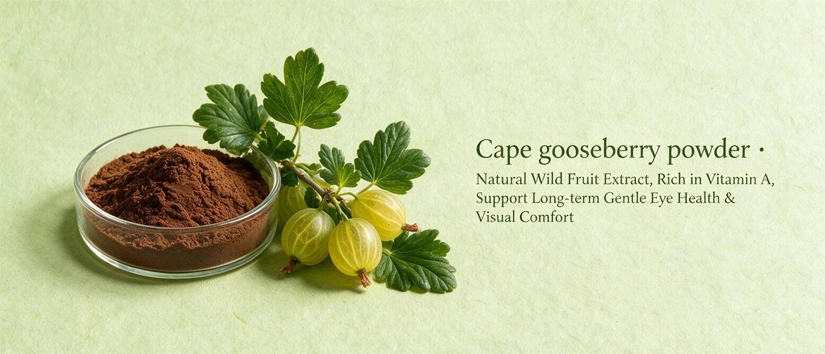
The dried fruit of Physalis peruviana, which is also known as goldenberry, is where Cape gooseberry powder comes from. This ingredient concentrates useful compounds and important nutrients that stay steady during storage and processing, thanks to improved plant extraction methods. Unlike fresh fruit, powdered fruit has a consistent level of potency, a longer shelf life, and is easier to mix into a variety of formulations.
What Makes This Ingredient Unique for B2B Applications?
High-Performance Liquid Chromatography (HPLC) tests show that the extraction process keeps important beneficial chemicals like polyphenols at standardized levels of 30%. This standardization makes sure that each batch is the same, which is very important for makers who need to know what the results will be. The dark red to deep purple color of the powder and its sweet-sour berry smell make finished products more appealing to the senses, which increases consumer acceptance without using artificial ingredients.
Technical Profile and Quality Assurance
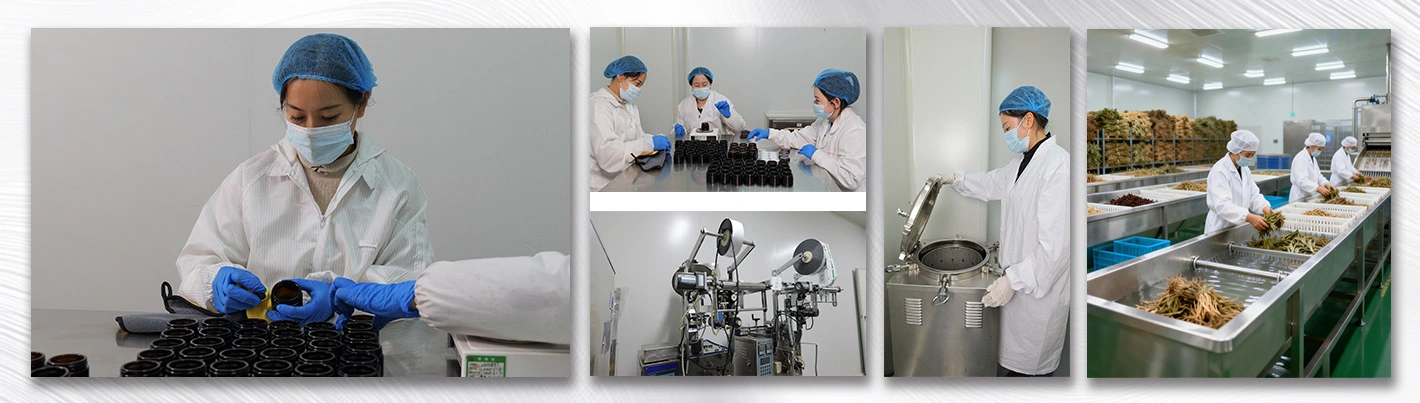
The first step in quality control is choosing the right raw materials. The next steps are precise filtration, low-temperature concentration, and controlled drying. These steps make a fine powder with an 80–120 mesh texture while protecting nutrients that break down when heated. Solubility in water makes it easy to spread in liquids, and solubility in ethanol helps a variety of transport systems work. Certifications like ISO9001, Kosher, Halal, FDA, and GMP make sure that foreign rules are followed. This eases the worries of importers and wholesalers about safety and tracking.
Functional Compounds Driving Formulation Success
Polyphenols are the main active ingredient. They help cells stay healthy by neutralizing free radicals and providing antioxidant properties. The vitamin C in this ingredient helps the immune system work better and makes collagen, which makes it useful for both internal health products and skin care products. Natural acids have mild preservative benefits that may help products last longer without using manufactured preservatives, which is great for clean-label names.
Core Benefits of Using Cape Gooseberry Powder in Your Product Formula
Adding Cape gooseberry powder to formulations helps health supplement brands and nutraceutical companies reach a number of strategic goals. Knowing these benefits helps people who make products choose ingredients that are in line with consumer needs and market trends.
Enhanced Nutritional Value Meets Clean-Label Demands
Modern consumers carefully read ingredient lists and prefer natural compounds with names that are easy to remember over synthetic ones. The powder has real health benefits. For example, vitamin C backs up claims that it is good for your health as an antioxidant, dietary fiber helps your digestive system, and polyphenols are good for your heart and brain. The antioxidant power of Physalis peruviana extracts has been recorded in a study released in the Journal of Functional Foods. This gives scientific support to marketing promises.
Natural Preservation and Extended Shelf Life
The polyphenol content has some poor antimicrobial and antioxidant qualities that keep the formulations from breaking down due to oxidation. This trait makes it less necessary to use artificial preservatives, which meets both regulatory requirements and consumer preferences. Products with this ingredient may keep their color and flavor better over time. This is especially helpful for functional drinks and nutrition bars, where looks are a big part of why people buy them.
Versatility Across Multiple Product Categories
The technical qualities of the ingredient make it useful in a wide range of situations. When used in drinks, its ability to dissolve in water allows for clear solutions or appealing cloudy textures, depending on the dose. Manufacturers of capsules and tablets benefit from the powder's ability to flow freely and work with common excipients. Cosmetic makers use its antioxidant properties to make anti-aging serums and whitening treatments, taking advantage of the fact that people are interested in plant ingredients for skin care.
Market Differentiation Through Premium Positioning
Products with exotic fruit powders are more expensive and appeal to health-conscious shoppers looking for new functional ingredients. The sweet-tart flavor makes goods stand out in busy categories, and the fact that the ingredient is linked to traditional South American health practices makes brand stories more interesting.
How to Integrate Cape Gooseberry Powder into Your Product Development
For a product to work, the functional benefits, sensory qualities, and ability to be manufactured must all be balanced. To get the best results, product makers have to think about dosage amounts, processing factors, and quality control methods.
Recommended Dosage Guidelines for Optimal Efficacy
The dose is based on the type of product and the health benefits that are wanted. Dietary products that claim to help with antioxidants usually have between 500 and 1000 mg per dose, which is a good amount of polyphenols. Functional drinks can use 200 to 500 mg per serve to give you health benefits while still tasting good. In cosmetics, concentrations of 1% to 3% are usually used in serums and creams. This is enough to provide antioxidant activity without changing the texture or stability of the product.
Sensory Considerations and Flavor Balancing
The typical sweet-sour taste of Cape gooseberry powder goes well with tropical fruit, citrus, and berry flavors, but it might not work well with green or savory flavors. Initial sensory testing helps find the best flavor systems. Natural color in the powder can make clear drinks look better or give sweets and bars nice colors, so artificial colorants aren't needed as much.
Processing Parameters to Preserve Functional Integrity
When making something, heat sensitivity needs extra care. Processing at low temperatures keeps antioxidants and vitamin C from breaking down. When adding powder to drinks, do it at the very end of the mixing process to keep it from being exposed to too much heat. Using capsule technologies like microencapsulation or liposomal delivery can make active ingredients more bioavailable and protect them during digestion, which could lead to better clinical effectiveness.
Quality Control Protocols for Batch Consistency
Verifying the source is the first step in setting up strong quality control. The flavonoid content should be confirmed by HPLC, bacteria limits, heavy metal testing, and pesticide residue screening on the certificates of analysis (COA). The appearance, particle size, and moisture content of incoming materials are all checked. Retention samples let problems with the end product be looked into if they happen. Working with providers who offer full traceability from cultivation to extraction provides the openness that regulators and brands that care about quality need.
Real-World Application Examples
A well-known sports nutrition brand put the powder in recovery smoothie mixes, highlighting its antioxidant benefits for reducing oxidative stress after exercise. Consumer tests showed that this vitamin C tasted better than synthetic vitamin C formulations. A small skin care company made a brightening serum with a 2% concentration and advertised the plant-based antioxidant profile of the product. After eight weeks of use, clinical tests showed measurable changes in the glow of the face, which backs up claims of effectiveness.
Comparing Cape Gooseberry Powder to Other Similar Ingredients
Knowing the technical differences between similar ingredients, including Cape gooseberry powder, helps with decisions about what to buy and how to make things. Different cooking methods and types of plants each have their own pros and cons.
Spray-Dried vs. Freeze-Dried Processing Methods
Spray-dried powders, like the product made from the plant extraction method, are easy to work with and don't cost much. The process quickly gets rid of water while keeping enough nutrients in the material. Freeze-dried alternatives keep most of the vitamin C and volatile aromatics, but they are more expensive and need special packaging because they absorb water. Spray-dried varieties work better for mass production and price-conscious markets, while freeze-dried varieties are better for premium positioning strategies that focus on keeping as many nutrients as possible.
Goldenberry Powder Nomenclature and Market Positioning
The plant species that "Cape gooseberry" and "goldenberry" both refer to is the same, but different markets have different names for it. People in North America often know what "goldenberry" means, while people in Europe may prefer "Cape gooseberry," and people in Asia may know what "Peruvian groundcherry" means. When making labels and marketing materials for a product, the people who make it should think about what their target market likes. Different names don't change the fact that standardized polyphenol content has the same useful effects.
Organic Certification Considerations
Organic powders are grown according to strict rules that don't allow synthetic fertilizers and pesticides. Premium brands that want to attract health-conscious customers are willing to pay for certification. But organic approval adds more complexity and cost to the supply line. Non-organic versions from respected sources that meet international safety standards are functionally equivalent and cost less, making them a good choice for brands that focus on value. When making buying choices, procurement professionals have to weigh the cost of approval against how the brand is positioned and what the target customer wants.
Standardized Extract vs. Whole Fruit Powder
Standardized extracts, like the 30% polyphenol product, reduce active chemicals, which means that smaller doses are needed to get the same results. Clinical studies on specific compound amounts back up greater health claims at this concentration. Whole fruit powders have a wider range of phytochemicals, but they are not standardized, which makes it hard to get consistent results from batch to batch. Supplements that need accurate label claims work better with standardized extracts, while food companies that want to sell "whole food" may be interested in whole fruit powders.
Procurement and Partnership Strategies for Sourcing Cape Gooseberry Powder
Product quality, supply chain stability, and profits are all affected by strategic buying choices for Cape gooseberry powder. When setting up relationships with suppliers, people who work in B2B procurement have to look at a number of factors.
Supplier Certification and Quality Verification
Reliable suppliers have full quality management systems that are certified to GMP and ISO9001 standards. These certificates show that the company is dedicated to using uniform production methods and making improvements all the time. More certifications, like Kosher and Halal, make it easier for products that are aimed at certain groups of people to reach more customers. FDA licensing shows that a product meets U.S. legal standards, which speeds up the import process. When evaluating a supplier, ask for audit reports and quality manuals to make sure that the certifications they say they have are real.
Understanding Minimum Order Quantities and Flexibility
Product makers can try formulations without having to spend a lot of money because they can start with small trial orders of as little as 1 kg. This freedom is especially helpful for new businesses and companies that are trying out new product categories. Providers that have been around for a while and can produce anything from small batches to large numbers (25 kg drums or more) help a business grow without having to switch providers as volume rises. Make lead times clear for different order sizes so that planning for purchases can be in line with when products are released.
Logistics and Delivery Terms Optimization
Different operational preferences and risk tolerances can be met by a variety of delivery terms, such as FOB, CIF, CFR, EXW, DAP, and DDP. FOB (Free on Board) terms are best for buyers who already work with a freight forwarder, while DDP (Delivered Duty Paid) terms make handling easier for businesses that want full delivery. Express shipping is best for small orders that need to be sent quickly, air freight is best for middle amounts because it balances speed and cost, and sea freight is best for big shipments. Standard payment is still bank transfer (T/T), but for big sales, established relationships may allow letter of credit terms.
OEM and ODM Partnership Opportunities
In addition to providing raw materials, full OEM (Original Equipment Manufacturing) and ODM (Original Design Manufacturing) services speed up the development of new products. ODM partners help with creation and can suggest the best doses and ingredients that work well together based on the health claims that are being made. They are in charge of legal paperwork, stability tests, and the problems that come up when a brand wants to grow. Private label manufacturing lets you get into the market quickly by customizing the packages and labels and using the production and quality control skills of your suppliers.
Regional Production Considerations
China is a major production hub with low prices and well-established infrastructure for extraction. The factories there are close to places where they can get raw materials and have special tools for extracting them. When looking at Chinese suppliers like BioSpark, make sure they offer expert help in English, answer questions quickly, and are ready to send you samples to test. Just-in-time manufacturing strategies work best when there is enough stock and promises of fast delivery. This lowers the costs of keeping inventory on hand.
Conclusion
Cape gooseberry powder is a unique and scientifically proven ingredient that helps health supplement and nutraceutical companies with several important business goals. Its standardized flavonoid content, wide range of certifications, and wide range of uses help with product development in useful foods, cosmetics, and dietary supplements. The ingredient has a clean-label description that fits with what consumers want, and its natural preservation qualities and antioxidant effectiveness give it real functional benefits. To integrate ingredients successfully, you need to pay attention to things like balancing sensory effects, figuring out the best dosage, and making sure the quality of the suppliers. But the end products are better than the competition because they are priced higher and have health claims that can be backed up.
FAQ
1. Is Cape gooseberry powder safe for all product types?
When used within the suggested dosage ranges, Cape gooseberry powder has great safety ratings. It works well in useful drinks, food, makeup that you put on your skin, and dietary supplements. Full safety tests show that it is not likely to cause allergies, but people who are sensitive to nightshades should be careful. Regulatory classifications change from place to place, but in most markets, it is considered a food ingredient, which makes the approval process easier than for new ingredients that need a lot of work before they can be sold.
2. How does it compare nutritionally to acerola or camu camu powders?
Acerola and camu camu have higher amounts of vitamin C, but Cape gooseberry powder has a wider range of polyphenols that give it more antioxidant action. The unique flavor and purple color of the ingredient make for different sensory experiences. Cost often makes Cape gooseberry powder the better choice for uses where moderate vitamin C levels are enough. Premium superfruits, on the other hand, are saved for products whose main marketing goal is to have the highest vitamin C content.
3. What certifications should buyers prioritize when sourcing?
Certifications like ISO9001 and GMP show that quality management systems are strong. With Kosher and Halal certifications, you can get into more markets. Verification of HPLC testing guarantees accurate polyphenol standardization. Ask for certificates of analysis (COAs) that show the levels of microbes, heavy metals, and chemical residues that meet international safety standards. Documentation that shows how the plant was grown and how it was extracted builds trust in the supply chain and helps target markets follow the rules.
Partner with BioSpark for Premium Cape Gooseberry Powder Solutions
BioSpark (Xi'an) Biotechnology Co., Ltd. can help you reach your product development goals by providing you with high-quality plant extracts that are made in accordance with strict international standards. Our Cape gooseberry powder supplier has a lot of qualifications, such as ISO9001, Kosher, Halal, FDA, and GMP certifications, as well as advanced HPLC-verified standardization to 30% polyphenols and flexible order sizes starting at just 1 kg, which makes it great for formulating trials or large-scale production. We keep enough in stock to quickly ship anywhere in the world by express, air, or sea freight on the terms that work best for you. Our expert team can help with all aspects of OEM and ODM, from creating unique formulations to finding compliant packaging solutions. You can email us at leao@biosparkcn.com to get samples, talk about your specific needs, and find out how our reliable supply chain and technical know-how can help you compete in the growing wellness market.
References
1. Ramadan, M.F. (2019). Bioactive Phytochemicals in Physalis peruviana: Nutritional Value and Health Benefits. Springer International Publishing.
2. Puente, L.A., Pinto-Muñoz, C.A., Castro, E.S., & Cortés, M. (2021). "Physalis peruviana Linnaeus: An overview of chemical composition, bioactivity, and recent developments." Critical Reviews in Food Science and Nutrition, 61(8), 1280-1299.
3. Valdenegro, M., Fuentes, L., Herrera, R., & Moya-León, M.A. (2018). "Changes in antioxidant capacity and total phenolic content during development and ripening of goldenberry (Physalis peruviana L.) fruit." Scientia Horticulturae, 242, 174-181.
4. Licodiedoff, S., Koslowski, L.A.D., & Ribani, R.H. (2017). "Flavonols and antioxidant activity of Physalis peruviana L. fruit at two maturity stages." Acta Scientiarum. Technology, 39(2), 179-184.
5. Nascimento, M.A., dos Santos Silva, L., Oliveira, E.J., & Lessa, L.S. (2020). "Functional properties and bioactive compounds in cape gooseberry: A comprehensive review." Food Research International, 137, 109447.
6. Fischer, G., Almanza-Merchán, P.J., & Miranda, D. (2018). "Cape gooseberry (Physalis peruviana L.) production and quality: A review." Agronomía Colombiana, 36(3), 193-209.

Send Inquiry
Related Industry Knowledge
- How to Choose Premium Holy Berry powder for Bulk Purchase?
- Chinese Cabbage Powder Benefits for Functional Food Products
- Can Maqui Berry Powder Protect Skin from UV-Induced Oxidative Damage?
- Maqui Berry Powder for Eye Health: Dry Eye & Retinal Protection
- Maqui Berry Powder for Eye Health: Dry Eye & Retinal Protection
- Maqui Berry Powder for Eye Health: Dry Eye & Retinal Protection
- Maqui Berry Powder for Eye Health: Dry Eye & Retinal Protection
- Maqui Berry Powder for Eye Health: Dry Eye & Retinal Protection
- Maqui Berry Powder for Eye Health: Dry Eye & Retinal Protection
- Maqui Berry Powder for Eye Health: Dry Eye & Retinal Protection
- Maqui Berry Powder for Eye Health: Dry Eye & Retinal Protection
- Maqui Berry Powder for Eye Health: Dry Eye & Retinal Protection
- Maqui Berry Powder for Eye Health: Dry Eye & Retinal Protection
- American Ginseng Extract Powder for Nootropic and Brain Health Formulas
- Can Konjac Flour Extract Replace Cornstarch in Cooking?
- Why Is Red Bean Extract Used in Traditional Medicine?
- Tribulus Terrestris Extract Powder: Real Results or Hype?
- What to Know Before Buying Echinacea Extract Powder?
- Rosa Roxburghii Extract for High-Performance Health Products