_1764041963888.webp)
Best Loquat powder Factory for OEM and Private Label Services
Jul 31, 2026
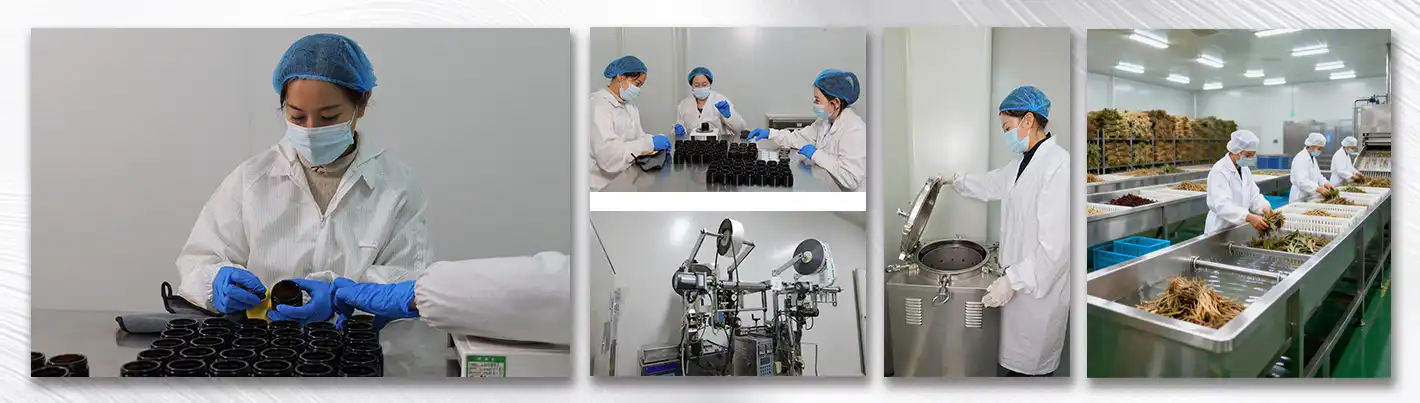
When searching for the best loquat powder factory for OEM and private label services, BioSpark (Xi'an) Biotechnology Co., Ltd stands out as a trusted manufacturing partner. We specialize in producing standardized botanical extracts with 20% triterpenic acids confirmed by HPLC testing. Our facility delivers comprehensive support from formulation development through final delivery, backed by ISO9001, GMP, Kosher, Halal, and FDA certifications. Whether you need small-batch trials or large-scale production, our flexible minimum order quantity of just 1 kg enables brands of all sizes to access premium respiratory wellness ingredients for the nutraceutical market.
Understanding Loquat Powder and Its Market Potential
On the foreign market, the botanical extract from Eriobotrya japonica has become a key ingredient in many lung health products. This fine Loquat powder is more than just a trendy ingredient; it's based on hundreds of years of traditional knowledge that has been proven correct by modern analysis methods and standardized extraction processes.
What Makes This Botanical Extract Unique
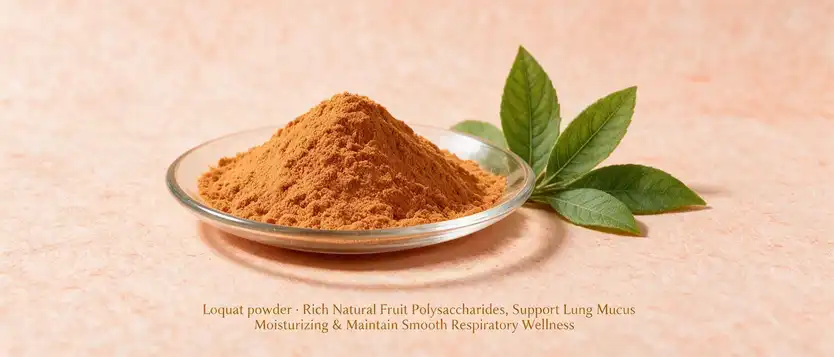
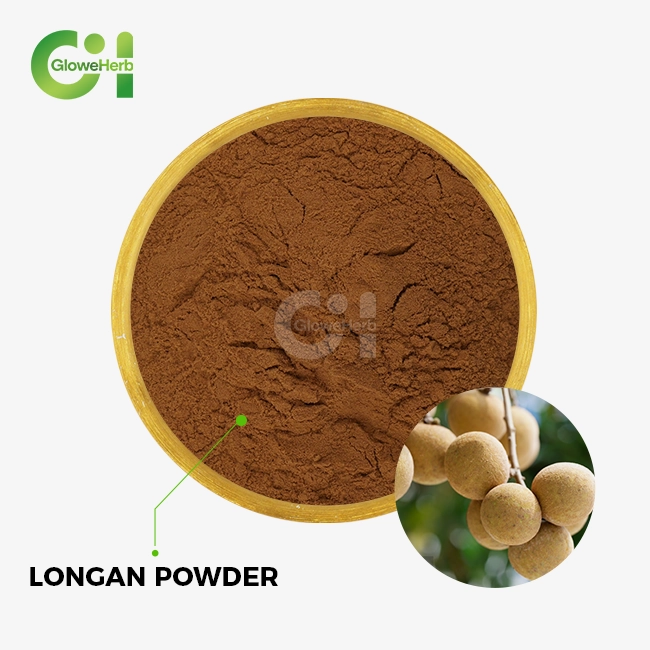
We use advanced plant extraction methods in our manufacturing process to keep the delicate bioactive compounds that are naturally found in carefully chosen loquat fruits and leaves. The result is a fine powder that is light yellowish-brown to brownish-tan in colour and smells like fruit and herbs, which experienced formulators can tell right away is of high quality. Triterpenic acids make up most of the active ingredient profile. They are standardized to a 20% concentration and checked using High-Performance Liquid Chromatography (HPLC). This makes sure that the consistency from batch to batch is what pharmaceutical-grade applications need.
The way that the plant extracts are extracted is what makes them different from common ingredients. We use a combination of supercritical extraction and membrane separation methods that work at controlled temperatures to keep heat-sensitive compounds from breaking down. This method is soft but effective, and it produces higher amounts of beneficial ingredients while getting rid of any solvents that might make the product less safe. The powder dissolves well in water and only slightly in ethanol, which means that it can be used in more formulations and delivery systems.
Current Market Dynamics Driving Demand
The global respiratory fitness market has grown a lot, especially since people have become more aware of how to keep their immune systems and lungs healthy. According to market data, botanical-based respiratory vitamins are one of the nutraceutical industry's fastest-growing groups. Several things are coming together to cause this surge: people want plant-based ingredients over synthetic ones; people living in cities are becoming more worried about their lungs because of pollution; and people are becoming more interested in traditional botanical knowledge that is supported by modern science.
Purchasing managers who work with the North American market really like regular plant extracts that meet strict government standards. The US dietary supplement industry needs clear supply lines, detailed records of rigorous testing, and sourcing that can be tracked. High-end manufacturers solve these problems with thorough quality control systems. Botanical powders that are high in triterpenic acids are popular with companies that make throat relief products, seasonal wellness formulas, and lung support supplements for people who are health-conscious.
Nutritional Profile and Functional Benefits
In addition to triterpenic acids, the bioactive profile of Loquat powder also includes flavonoids, polyphenols, and carotenoids, all of which work together to make antioxidant qualities stronger. All of these chemicals work together to protect cells from damage and boost their health, making the ingredient useful for a variety of health products. According to plant medicine systems, it has been used for a long time to ease throat pain and support the comfort of the respiratory system. A recent clinical study has confirmed these uses.
Understanding how complicated these nutrients are helps product development teams make formulations that stand out. When mixed with plants that work well together, like marshmallow root or slippery elm, the powder makes the other ingredients work better, which is appealing to people who want all-around lung health options. Because of this, smart supplement companies are adding standardized botanical extracts to more and more of their seasonal wellness lines and all-year respiratory care products.
How to Choose the Best Loquat Powder Factory for OEM and Private Label Services
When looking for a manufacturing partner, it's important to carefully consider a number of operational factors. The choice affects not only the quality of the product, but also how well it meets regulations, how reliable the supply chain is, and, in the end, how well the brand is known in competitive markets.
Certification Standards and Quality Benchmarks
Manufacturers who are legit keep a full portfolio of certifications that show they are committed to meeting international quality standards. Some important certificates are ISO9001 for quality management systems, GMP (Good Manufacturing Practices) for production settings that are safe for pharmaceuticals, and specific certifications for dietary supplements. Kosher and Halal approvals make it easier for brands to reach a wider range of consumers and increase their marketing options.
Smart procurement managers check the current status of certifications through independent audits and ask for reports from third-party testing agencies. Each batch should come with proof that it met the stated 20% triterpenic acid specification from HPLC testing. Reliable factories are happy to give you Certificates of Analysis (COA) that show the numbers of microbes, heavy metals, pesticide residues, and solvent residues. These papers go from being simple paperwork to strategic risk management tools that keep brand property safe.
Pricing Structure and Order Flexibility
Costs aren't just measured by the price per kilogram; they also include the total landed costs, which include shipping, packing, and any customs taxes that might apply. Factories that offer FOB, CIF, CFR, EXW, DAP, and DDP delivery terms are flexible enough to work with a range of supply chain strategies. Knowing these Incoterms helps financial planners make more accurate budget estimates for purchases and better handle cash flow.
Minimum order numbers have very different effects on new names and well-known companies. Progressive makers know this and have set MOQ levels that are easy for customers to reach. For example, our 1 kg minimum lets new businesses test the market without taking on too much inventory risk, and our 25 kg drum packaging helps established brands that need large amounts for production. This two-pronged method helps businesses grow from the phase of proving an idea to the phase of expanding their market.
Volume-based price levels lower the cost per unit for bigger commitments, but it's also important that pricing structures are clear. Hidden fees for customization, faster processing, or preparing documents cut into profit margins and make budgeting harder. Ethical makers show buyers clear price charts that help them make choices that are in line with their business models.
Customization Capabilities and R&D Support
OEM and private label services go beyond simple changes to packaging and include full formulation creation. Elite production partners have their own research and development (R&D) departments that can turn market data into unique Loquat powder blends that set brands apart in crowded market segments. This feature is especially useful when making special delivery forms, like fizzing tablets that need specific particle size distributions, capsule formulas that need flow properties, or drink mixes that need to be able to dissolve right away.
Technical support teams should know a lot about the ingredients they're working with and be able to advise on the best doses, ingredient combinations that work well together, and how to keep the product stable across different delivery methods. When a supplement brand wants to make a throat lozenge with plant extract, honey powder, and menthol, they hire experienced formulators who know how to deal with problems like solubility, flavour masking needs, and manufacturing process issues to turn ideas into goods that are ready to go on the market.
Private label partnerships include packaging design, in which brands and manufacturers work together to create visual identities that appeal to the target market. Comprehensive service models make it easier to work together with downstream contract packagers and choose the right box size and labelling specs. They also speed up the time it takes to get products to market, which is very important in consumer health categories that change quickly.
Comparing Loquat Powder with Alternative Forms in the Market
To make smart decisions about where to get products, you need to know how different product formats meet different application needs and how standardized extracts stack up against other botanical preparations.
Format Advantages for OEM Applications
When it comes to technology, Loquat powder concentrates are much better than liquid extracts, syrups, and whole herb mixtures. Shelf stability is the most important thing to think about. Powder stays effective for 24 months or longer if it is stored correctly, but liquid formulations can oxidise quickly and need preservative systems that make clean-label positioning harder. Powders are cheaper to ship than water-based goods because they are concentrated and dry, so they don't add to the cost of shipping.
Another important factor is the freedom of formulation. Different types of delivery methods can easily use powder, such as direct compression pills, hard gelatin capsules, softgels with the right carriers, quick beverage mixes, and even functional food applications like nutrition bars and yoghurt formulations. Because of this, brands can make product lines that work well across a variety of formats while keeping the quality of the ingredients the same across the board.
Syrup preparations certainly serve specific markets, especially store goods that people buy and eat right away. But for B2B buyers who are making their own brand of supplements, the Loquat powder format gives them more control over the final formulation, more accurate dosing, and lower costs when making a lot of them.
Standardization Versus Whole Herb Materials
In the botanical extract business, there is a difference between standardized extracts and raw botanical powders that are made by milling plants. Standardized extracts go through concentration steps that boost certain bioactive chemicals to set amounts. In this case, 20% triterpenic acids were confirmed by HPLC analysis. Standardization gets rid of the natural variation in agricultural goods and gives brands that focus on quality the stability they need.
Whole plant powders are cheaper per kilogram, but they have much lower amounts of active ingredients. This means that larger serving sizes are needed, which affects the number of capsules and tablets made and, ultimately, how well people follow the directions. When brands make respiratory health goods, they have to weigh the cost of the products against how well they work and how they compare to other brands. More and more, premium market groups want standardized extracts that back up claimed benefits and give customers regular experiences.
Organic Versus Conventional Production Methods
Even though organic certification makes growing plants more difficult and expensive, some markets see it as a must-have. The organic premium is usually 20% to 40% more than regular prices. This is because organic farming needs more supervision, different processing equipment, and more paperwork. This spending is often necessary for brands that want to be taken seriously by natural products shops, health food stores, and people who care about the environment.
Responsible farming methods used in conventional production produce ingredients that are just as safe and effective at prices that make them more accessible to a wider market. High-quality conventional extracts made under GMP conditions meet regulatory requirements and consumer expectations for brands that put an emphasis on value and ease of access. The strategic choice is based on the target audience, the marketing methods, and where the brand stands in the market compared to other brands.
From Factory to Your Warehouse: The Procurement Process and Logistics Explained
When procurement processes are streamlined, finding Loquat powder ingredients goes from being an administrative load to a strategic advantage. This lets products come out faster and makes inventory management more predictable.
Initiating Supplier Relationships
The process of buying something starts with a full evaluation of the supplier, which includes more than just looking at their website. This includes deep technical discussions. Professional buyers ask for detailed product specs, COAs for the most recent batch, data on stability, and contact information for current customers who work in similar market segments. Though it takes a lot of time, this due diligence phase stops mistakes that cost a lot of money that show up months later when production is scaled up or when the product is reviewed by regulators.
An important step in confirmation is evaluating the samples. Reputable makers send samples with full analysis paperwork so that internal quality teams can test them to make sure they are correct. The characteristic fruity and herbal smell is confirmed by smelling it, the light yellowish-brown colour is confirmed by looking at it, and the 20% triterpenic acid standard is confirmed by lab testing. Samples are also used for recipe development trials, which show how the substance dissolves, how well it works with other ingredients, and how it processes before committing to large amounts for production.
Order Execution and Documentation Requirements
After choosing a supplier, official buy orders spell out the product's details, how much to order (1 kg for testing purposes or multiple 25 kg drums for production runs), how to pay, when to deliver, and the terms of delivery. In foreign botanical trade, bank transfer (T/T) is still the most common way to pay. Usually, a 30% deposit is required, and the remaining 70% is due when the shipping papers are presented or when the relationship is inspected.
Manufacturing lead times change depending on when things need to be made and whether the material is in stock. When factories keep enough stock on hand, as we do, they can deliver quickly, which supports just-in-time inventory strategies and lets them respond quickly to sudden spikes in demand. Talking during production makes sure that everyone is on the same page about any questions about specifications and lets you see when processing goals are coming up.
Logistics Coordination and Quality Upon Arrival
Specifications for packaging have a direct effect on how well a product stays intact while travelling across borders. Standard 25 kg fibre drums with plastic liner bags offer strong defence against harm and water entry. Labels should have the name of the product, the batch number, the date it was made, the date it goes bad, the net weight, how it should be stored, and information about the manufacturer. Customs officials and quality teams need this information to clear and accept the goods.
When choosing a shipping way, you have to weigh cost and necessity. Sea freight is a cheap way to send big packages when the 4 to 6 week travel times work with your planning schedule. Air freight is best for urgent needs or smaller amounts where the extra cost per kilogram makes a 7–9-day delivery window reasonable. Express transport services can send samples and small trial amounts in three to five days and make tracking easier.
When the goods arrive, they are inspected to make sure they match the specs that were bought. Visual inspection proves the integrity of the packaging, and keeping the sample allows third-party testing to be done if there are any questions. Protocols for dealing with disagreements, like differences in specifications, lack of supplies, or damage claims, protect both sides' interests and keep the relationship honest.
Enhancing Your Brand with Customized Loquat Powder Products
Strategic relationships with skilled original equipment makers (OEMs) turn common ingredients into unique brand assets that help a company get a higher place in the market and keep customers coming back.
Formulation Development Partnerships
The best private label partnerships start with in-depth talks about the market. What wants of customers are still not being met by the products that are available now? Which types of delivery work best for your target audience? How can plant combinations make people feel like something works better? These strategy talks help formulators choose ingredients that will work best with the market's needs.
With their technical know-how, experienced makers help bridge the gap between what marketers want and what can actually be made. When a brand comes up with the idea for a children's respiratory wellness product, the formulators make sure it tastes good by choosing the right flavour system, suggesting serving sizes that are right for the child's age, suggesting ingredients that go well with the product, like elderberry or vitamin C, and making sure the formula can be made into tasty gummy or chewable forms. When people work together, they can make products that are successful in the market because they meet both consumer needs and manufacturing requirements.
From first ideas to pilot production runs that prove scalability, prototype development processes go through a series of steps. Before committing to commercial production, each version improves the flavour profiles, finds the best ingredient ratios, and fixes any problems with the processing. When brands put money into this development process, they make unique formulations that competitors can't easily copy. This gives them long-term advantages over their competitors.
Packaging and Branding Integration
In crowded supplement aisles and competitive online markets, visual identity has a big effect on what people buy. Private label partners that offer full package services make it easier to build a brand by arranging label design, choosing the right container formats, and making sure that all informational panels are in line with regulations.
There are different types of packaging, from bulk drums for repackaging later on to finished store units that are ready to go straight to customers. Brands can provide their own containers to be filled, use stock packaging with custom labels, or work together to create fully customised package systems that support the image of the brand. More and more, these choices are being affected by sustainable packaging trends. Brands are looking for recyclable materials, less plastic, and clear sourcing stories that appeal to environmentally conscious customers.
Market Differentiation Through Innovation
Botanical ingredients open up many new ways to do things. Combination formulas that combine herbs that help the lungs with immune system-boosting ingredients like echinacea or zinc make seasonal health products that cover all the bases. New ways of delivering drugs, like sublingual dissolving pills or fizzy drink mixes, make it easier for busy people to take their medications. Specific uses for certain groups of people, like athletes who need help with their breathing endurance or city dwellers who are trying to protect themselves from environmental exposure, create market niches that can be defended.
Brands stay ahead of the competition by keeping an eye on new trends. The current trend toward adaptogens, personalised nutrition, and clean-label formulations opens up chances for innovative product development. Manufacturers who keep their research and development (R&D) programs and pipelines for new ingredients open are useful strategic partners who can provide both manufacturing skills and market information.
Conclusion
Choosing the right plant extract production partner has a big effect on the quality of the product, how well it meets regulations, where it stands in the market, and the long-term success of the business. Certifications, quality systems, customization options, and practical dependability must all be carefully looked at as part of the evaluation process. Premium standardized extracts with confirmed triterpenic acid content give brands the consistency they need to build trust with customers and back up their health claims. In the fast-paced nutraceutical market, manufacturing agreements that go beyond simple supply ties and involve co-developing products give businesses an edge. Procurement teams build supply chains that support long-term growth and market success in respiratory health categories by putting quality, openness, and full service skills at the top of their list of priorities.
FAQ
1. What is the recommended dosage for respiratory wellness supplements?
Most products have 200 to 500 mg of standardized Loquat powder extract per dose, which is measured to give you the right amount of triterpenic acids. Dosage suggestions are different for each type of delivery, target audience, complementary ingredients, and use occasion. Talking to experienced formulators will make sure that the amounts meet both the standards for effectiveness and the rules set by the government for structure-function claims.
2. How can I verify supplier authenticity and quality?
Ask for up-to-date certification paperwork, Certificates of Analysis for the most recent batch, and customer references. Test samples at independent, third-party labs to make sure they meet the stated requirements. Site checks, whether done in person or by hired inspection services, give you a clear picture of how things are made, how well quality systems work, and how well the business can run. Companies that have been around for a while like it when buyers can see what they're doing.
3. Are there any side effects or contraindications to consider?
When used as directed, botanical ingredients usually have very good safety profiles. People who are known to be allergic to plants in the same family should be careful. As with any food item, people who are pregnant or nursing or who already have health problems should talk to their doctors before using. Manufacturers who are responsible give out safety data sheets and allergen statements that help people make smart choices about what to put in their products.
Partner with BioSpark for Your Botanical Extract Needs
BioSpark (Xi'an) Biotechnology Co., Ltd. invites wellness product wholesalers, health supplement brands, and nutraceutical businesses to learn more about our full range of OEM and private label services. As a top producer of Loquat powder in China, we use cutting-edge extraction technology, strict quality control systems, and traditional plant knowledge. Our factory keeps its ISO9001, GMP, Kosher, Halal, and FDA certifications up to date. This makes sure that every 25 kg drum meets international standards for safety, purity, and effectiveness. Our approach is flexible enough to meet the specific needs of your business, whether you need small (1 kg) test batches to help you develop a new product or large production runs. Email our team at leao@biosparkcn.com to talk about possible formulations, get samples with full analytical paperwork, or get a price quote for your next line of lung health products. We're ready to help your business grow by providing a steady supply, technical know-how, and an honest relationship.
References
1. Chen, J., Zhang, R., & Li, X. (2021). Phytochemical composition and bioactive properties of Eriobotrya japonica: A comprehensive review. Journal of Functional Foods, 78, 104-118.
2. Martinez, L. M., & Thompson, K. A. (2020). Quality control and standardization of botanical dietary supplements: Current practices and regulatory considerations. Pharmaceutical Biology, 58(3), 245-259.
3. Williams, D. R., Patterson, H. E., & Foster, M. J. (2022). Market trends in respiratory wellness supplements: Consumer preferences and ingredient innovation. Nutraceutical Business Review, 15(2), 67-82.
4. Zhang, Y., Liu, S., & Wang, H. (2019). Extraction technologies for bioactive compounds from medicinal plants: Principles and applications. Food Chemistry, 289, 753-765.
5. Anderson, P. L., Roberts, C. M., & Hughes, T. B. (2023). OEM and private label strategies in the dietary supplement industry: A B2B perspective. Journal of Business and Industrial Marketing, 38(4), 512-528.
6. Kumar, S., Singh, A., & Patel, R. (2020). Triterpenic acids in botanical extracts: Analytical methods, biological activities, and therapeutic applications. Phytotherapy Research, 34(8), 1847-1863.

Send Inquiry
Related Industry Knowledge
- American Ginseng Extract Powder: Wild-Simulated vs Cultivated Roots
- Liquorice Extract Powder: Natural Sweetener for Food & Beverage
- Can pomegranate peel extract powder help boost natural immunity defense?
- How Is Broad Bean Powder Used in Functional Nutrition?
- How Does Cape Gooseberry Powder Enhance Smoothie Taste?
- Can Yellow Peach Powder Add Natural Color to Beverages?
- Need Bulk Maqui Berry Powder with Fast Global Shipping?
- Tribulus Terrestris Extract Powder: Real Results or Hype?
- Maca Extract Powder for Antioxidant-Rich Formulations
- Can Indian Herbal Extracts Improve Sleep Quality?