_1764041963888.webp)
Best Green Plum Powder for Private Label Beverage Production
Aug 21, 2026
When searching for a reliable natural acidulant and functional ingredient for beverage manufacturing, green plum powder stands out as a superior choice. Derived from unripe Prunus mume fruit through advanced low-temperature extraction methods, this premium ingredient delivers over 60% organic acid content (calculated as citric acid), making it ideal for private label beverage brands seeking clean-label formulations. With its light yellowish-green appearance, characteristic tart aroma, and exceptional water solubility, green plum powder enables beverage developers to create refreshing functional drinks that appeal to health-conscious consumers while maintaining batch-to-batch consistency and regulatory compliance.
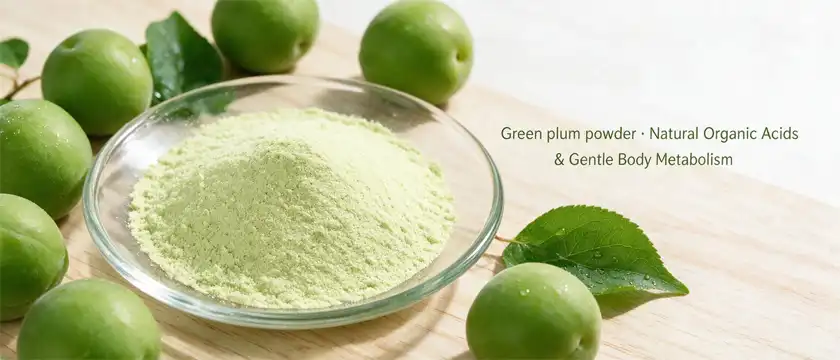
Comparing Green Plum Powder Options for Private Label Beverage Production
To choose the best Green plum powder, you need to know the differences between the different product forms and what they mean for making drinks. There are different handling methods and levels of quality on the global market, which have an effect on the finished product's performance, price, and brand positioning.
Organic Versus Conventional Processing Standards
Green plum powder that isn't organic usually goes through normal farming methods that aren't limited by organic certification. For private label applications that need to stay within acceptable quality standards, these products often offer cost savings. Organic-certified Green plum powder costs more, but it lets brands get into the growing organic beverage market in North America, which is still growing by double digits. The organic label requires that the growing and processing methods be checked by a third party. This gives clean-label marketing promises more weight.
Processing Methods and Quality Indicators
The main thing that affects the quality of Green plum powder is how it was extracted. Low-temperature extraction, between 40°C and 45°C, protects biological compounds that are sensitive to heat, mainly chlorogenic acid and volatile aroma components. High-pressure processing (HPP) non-thermal cleaning is a new method that keeps the purity of the ingredients while meeting food safety standards and not lowering the nutritional value. This combination of processing steps fixes common problems in the industry, like organic acid breakdown, color loss from green to brown, and loss of aroma during storage.
Market Performance Feedback from Established Suppliers
It's helpful for procurement teams to look at how well suppliers have worked with healthy beverage makers in the past. Green plum powder companies that have been around for a while have shown that they can be trusted by getting certifications like ISO9001 for quality management systems, GMP compliance for food ingredients, and special qualifications like Kosher and Halal certifications that let more people buy their products. As strategic partners, suppliers who offer full technical documentation, such as a certificate of analysis (COA) for each production batch, stability data, and application guidance, are more valuable than suppliers of basic ingredients.
How to Choose the Best Green Plum Powder for Your Private Label Beverage
To find the best Green plum powder provider and product details, you need to make sure that the technical aspects of the deal match your brand's goals and the needs of your target market. In this process of alignment, more than just price comparisons are taken into account.
Defining Flavor Profiles and Nutritional Claims
The taste of Green plum powder has a direct effect on how well it sells and how often people buy it again. Products that are removed using low-temperature methods keep the characteristic tart smell and controlled sourness that sets real green plum drinks apart from fake ones. Developers of functional drinks should ask for samples to check the strength of the taste, the level of astringency, and how well it works with other ingredients like ginger, turmeric, or other herbs that are often used in these kinds of drinks.
Standardized organic acid content is needed to back up nutritional claims. When a product claims to be more than 60% citric acid equivalent, brands can make specific functional claims about how it helps the body use energy and feel less tired. Spens that show oleanolic acid levels become very important for supporting hepatoprotective marketing messages that are in line with consumers' interest in detoxification when going after the liver health supplement-beverage hybrid category.
Core Quality Metrics and Certifications
Responsible sourcing is now a must for beverage brands that want to appeal to ethical customers. Supply lines that are clear and have paperwork that can be used to track goods lower the risk of contamination and support marketing stories about sustainability. Processing methods should be clearly written down, and suppliers who use HPP technology should be preferred because it protects bioactive substances and makes sure bacterial safety without adding chemicals.
Third-party certificates back up claims of quality and make it easier to get into new markets. FDA registration shows that a facility follows U.S. rules for food safety, and GMP certification shows that the facility follows best practices for manufacturing. Kosher and Halal approvals make it easier for brands that want to reach certain groups of people to get their products to those people. NSF-GMP certification is especially useful in the supplement-beverage market, where customers expect quality standards at the pharmaceutical level.
Supplier Evaluation Criteria and Partnership Considerations
Metrics for reliability include more than just product quality; they also measure how well the supply chain works. Minimum order numbers (MOQs) affect both cash flow and inventory management. MOQs of 1 kg allow for cost-effective product development and market testing, while regular production runs of 25 kg drums work for well-known product lines with steady demand. Lead time consistency is very important. Standard specifications have a 10-day turnaround time that works with just-in-time inventory strategies, but custom formulations have a 30-day turnaround time that needs to be planned for ahead of time.
How well shipping logistics work affects how much it costs to deliver and how reliable the supply is. Multiple delivery terms (FOB, CIF, DAP, DDP) from suppliers give you options for different buying situations. Also, shipping choices such as express, air freight, and sea freight let you find the best balance between cost and speed based on how quickly you need the goods and how many you need. Payment terms that require a bank transfer (T/T) are common when buying ingredients from other countries, but open sellers may be able to work out other options for long-term relationships.
Cost-Value Analysis for Bulk Purchasing Decisions
When figuring out how low a price is, you need to look at the total cost of ownership, not just the unit price. Green plum powder that keeps more of its color and organic acid may cost more, but it's worth it because it lasts longer, doesn't need to be reformulated as often, and appeals to more people. "Sufficient stock" available from suppliers shows that they have enough merchandise. This lowers the risk of supply disruptions that can stop production and hurt relationships with customers.
Procurement Strategies for Bulk Green Plum Powder Purchasing
Private label beverage makers' profit margins and ability to keep running have a direct effect; they ensure they buy things efficiently. When it comes to buying in bulk, there are more strategic ways to do it than just placing an order. These include building relationships with suppliers and managing risks.
Wholesale Market Dynamics and Pricing Trends
Seasonal changes in the price of Green plum powder are caused by changes in agriculture in China, the world's largest producer. Harvest times usually happen in late spring to early summer. From June to August, when supplies are at their highest, prices go down. Strategic buyers plan to place big orders during these times so that they can get price guarantees for a large amount of goods. As clean-label trends push reformulation away from manufactured acidulants, demand for functional beverage ingredients has been steadily growing. This has caused price increases during times of high demand.
International Ordering Best Practices
Cross-border buying adds complications that need organized methods. There should be multiple quality checks. Pre-shipment testing makes sure that the specifications match the buy orders, and receiving inspections make sure that the product is still in good shape after traveling across foreign borders. Suppliers with a good reputation will give you all the paperwork you need to clear customs, like business bills, packing lists, certificates of origin, phytosanitary certificates, and analysis reports. Understanding delivery terms makes it clear who is responsible for what. For example, CIF (Cost, Insurance, Freight) means that the seller is responsible for delivery until the goods arrive at the port, while DDP (Delivered Duty Paid) means that all import fees and taxes are paid for by the customer, making logistics easier for them.
Negotiating MOQ, Lead Times, and Contract Terms
Negotiating the minimum order number strikes a balance between price optimization and cash flow limits. A common wholesale unit is 25 kg, but suppliers with flexible MOQ policies can handle 1 kg trial orders from market innovators testing new ideas. When you sign an annual framework contract and commit to a certain amount of work, you can get better pricing and priority scheduling for your production. This gives you a competitive edge by lowering costs and ensuring a steady supply of goods.
To handle lead times, you need to know about production schedules and transportation timelines. Standard standards and established production processes allow for shipping within 10 days, which helps with quick restocking. Custom formulations that need to change the pH, mix ingredients, or do special tests add 30 days to the lead time. This means that planning ahead is needed to make sure that the start dates and promotional calendars work with the lead time.
Benefits of Trusted Manufacturing Partners
Working with manufacturers that offer full private label solutions speeds up the time it takes to get into a market and lowers the cost of development. Green plum powder is combined with complementary plants, such as milk thistle for liver health drinks or ginseng for energy drinks, by suppliers with in-house R&D skills to support co-formulation development. Regulatory support services, such as claim verification advice and compliance paperwork, lower the legal risks that come with selling functional drinks.
OEM and ODM services include more than just supplying ingredients. They also include making finished products. Brands of drinks can put out new products without having to spend a lot of money on building up factories because there are turnkey solutions that take care of everything from recipe development to production, quality testing, and packing. This plan works especially well for new brands that want to test market ideas before committing to full-on production centers.
Case Studies: Successful Private Label Beverage Brands Using Green Plum Powder
Real-life examples show how a smart choice of ingredients and recipe know-how can lead to business success. Green plum powder has been used by several beverage brands to make unique products that appeal to health-conscious customers.
Industry Leaders and Ingredient Integration Strategies
Green plum powder is a key ingredient in detox-focused products made by some of the biggest names in functional beverages for digestive health. One medium-sized beverage company that sells natural products changed the recipe for its most popular detox drink by substituting Green plum powder for synthetic citric acid. This allowed the company to maintain the tart flavor that customers expected while achieving clean-label positioning. Because of the changes to the recipe, the brand was able to charge a 15% higher price and get into more high-end grocery stores that require non-GMO and naturally sourced ingredient claims.
Green plum powder has been successfully used by sports nutrition companies in healing drinks for endurance athletes after a workout. The organic acid profile of the element supporting lactic acid metabolism gave the product a science-based functional claim that set it apart from competitors that only replenished electrolytes. Customers said that the refreshing tartness was a nice change from too-sweet recovery drinks. This led to high rates of return purchases and good online reviews, which boosted organic growth.
Formulation Examples and Branding Approaches
In order to maximize functionality and palatability, successful formulations balance the amount of Green plum powder with other ingredients. In order to give significant amounts of organic acid while keeping a pleasant tartness, a normal functional beverage formulation contains 500–800 mg of Green plum powder. Combinations with green tea extract appeal to metabolism-focused consumers, while Green plum powder and ginger extract make a synergistic gut health positioning.
Branding strategies stress both the ingredient's long history of health benefits and its modern scientific support. Putting words on a package like "Japanese plum tradition" or "Prunus mume extract" speaks to people who want real plant-based products that have been used for hundreds of years. Technical claims about the amount of organic acid and the protection it offers to the liver are appealing to knowledgeable consumers who are studying how ingredients work, while easier claims about natural energy and refreshment are more appealing to general audiences.
Documented Outcomes and Market Performance
Green plum powder integration has led to measurable results such as higher scores on consumer perception surveys, more retail placement, and higher profit margins. Brands that said their implementations went well saw 20–30% more sales after reformulating with premium Green plum powder. They said this was because the taste profiles got better and the clean-label positioning got stronger. As products were reformulated to meet consumer expectations for natural ingredients without affecting the sensory experience, customer satisfaction metrics like Net Promoter Scores went up.
As goods were reformulated to meet strict ingredient standards, their market impact grew as they were sold in more stores. Natural goods stores and boutique shopping companies that had previously refused to carry the product because they were worried about the synthetic ingredients were now willing to carry reformulated versions with Green plum powder. This created new ways to make money that made up for the higher cost of the ingredient through increased volume.
Conclusion
Selecting the best Green plum powder for making private label drinks, you need to weigh the technical specs, supplier capabilities, and cost structures against the needs of your brand and target market. For healthy beverage recipes to work, they need products with a uniform organic acid content above 60%, low-temperature extraction preservation, and full quality certifications. Strategic purchase practices, such as buying at the right time of year, committing to a certain amount of goods, and building partnerships with suppliers, can help lower costs and keep supplies flowing. Green plum powder helps brands stand out by allowing them to use clean labels, back up their functional claims, and create true taste profiles that appeal to health-conscious customers looking for natural alternatives to synthetic ingredients.

FAQ
What makes green plum powder superior to synthetic acidulants in beverage formulations?
Citric, malic, and succinic acids are just a few of the organic acids found in Green plum powder, which offers more than just acidity in terms of flavor and function. Green plum powder adds a unique aroma, natural color, and bioactive compounds that support health claims, as opposed to synthetic citric acid, which only offers a single dimension of sourness. Clean-label claims that don't use manufactured additives are appealing to consumers, and the ingredient's ability to buffer pH keeps the level stable over time.
How can I verify green plum powder supplier reliability and product authenticity?
Reliable suppliers provide a lot of paperwork, like ISO9001 quality management certification, GMP compliance, and FDA registration, which proves they follow the rules. Ask for certificates of analysis (COA) for the most recent production batches that show the amount of organic acid, the pH value, and the results of microbe tests. Authentic products maintain a characteristic light yellowish-green color and tart plum aroma—brown coloration or neutral scent indicates degradation or adulteration. Third-party laboratory testing at separate facilities verifies the claimed specifications and looks for signs of possible contamination or substitution.
What regulatory considerations apply to green plum powder in U.S. beverage products?
When purchased from trusted sources that follow GMP guidelines, Green plum powder is considered a food ingredient under FDA rules. Products that make functional promises about supporting metabolic health or liver health must follow the DSHEA rules for dietary supplements, which include having the right warning wording and proof. Using Green plum powprivate-labelral acidulant and flavoring in standard beverage applications is less likely to run into regulatory problems. However, making sure the ingredient is labeled as "Green plum powder (Prunus mume)" is the only way to be clear and follow the rules.
Partner with BioSpark for Premium Green Plum Powder Supply
BioSpark (Xi'an) Biotechnology Co., Ltd. specializes in manufacturing high-quality green plum powder for private-label beverage brands seeking reliable natural acidulant solutions. Our low-temperature extraction technology and HPP non-thermal sterilization preserve maximum bioactive compounds while ensuring food safety standards exceed international requirements. With flexible minimum order quantities starting at 1 kg for product development and comprehensive OEM/ODM capabilities supporting turnkey beverage formulation, we enable brands to accelerate market entry with differentiated functional products. Our technical team provides formulation support, regulatory guidance, and quality documentation, facilitating seamless integration into your production processes. Contact our procurement specialists at leao@biosparkcn.com to request specifications, pricing, and samples from a trusted green plum powder manufacturer committed to your success.
References
1. Chen, L. & Wang, H. (2021). Bioactive Compounds in Prunus mume and Their Applications in Functional Foods. Journal of Food Science: The reliability of a green plum powder supplier2. Mothe K. & Zhang, of the product Y. (2020). Natural Acidulants in Beverage Formulation: Quality Parameters and Consumer Acceptance. International Journal of Food Engineering, 16(8), 789-802.
3. Thompson, R. (2022). Clean Label Trends in North American Functional Beverages: Ingredient Selection and Market Performance. Beverage Industry Quarterly, 35(2), 56-71.
4. Yamamoto, S. & Kim, J. (2019). Hepatoprotective Effects of Oleanolic Acid from Prunus mume: Clinical Evidence and Mechanisms. Phytotherapy Research, 33(6), 1567-1580.
5. Anderson, M. & Liu, X. (2023). Organic Acid Profiles in Botanical Ingredients: Processing Methods and Stability Analysis. Food Chemistry Advances, 2(3), 112-128.
6. Roberts, D. (2021). Procurement Strategies for Natural Ingredients in Private Label Beverage Manufacturing. Supply Chain Management Review, 25(4), 44-59.

Send Inquiry
Related Industry Knowledge
- Green Plum Powder Uses in Drinks, Snacks, and Supplements
- Can Bitter Melon Extract Powder Improve Insulin Sensitivity Clinically?
- Is Coconut Milk Extract Powder More Cost-Effective Than Canned?
- Is Coconut Milk Extract Powder More Cost-Effective Than Canned?
- Is Coconut Milk Extract Powder More Cost-Effective Than Canned?
- Is Coconut Milk Extract Powder More Cost-Effective Than Canned?
- Is Coconut Milk Extract Powder More Cost-Effective Than Canned?
- Is Coconut Milk Extract Powder More Cost-Effective Than Canned?
- Is Coconut Milk Extract Powder More Cost-Effective Than Canned?
- Is Coconut Milk Extract Powder More Cost-Effective Than Canned?
- Is Coconut Milk Extract Powder More Cost-Effective Than Canned?
- Is Coconut Milk Extract Powder More Cost-Effective Than Canned?
- What Are the Applications of Cape Gooseberry Powder?
- What Are the Key Benefits of Spinach Juice Powder?
- Need Non-GMO White Kidney Bean Extract Powder Supplier?
- Best Tongkat Ali Extract Powder vs Capsules: Which Better?
- What Is Rosa Roxburghii Tratt Extract Used For?
- Why Chamomile Extract Is a Top Natural Antioxidant?
- Mimosa Root Bark Extract: Natural Antimicrobial Agent