_1764041963888.webp)
Why Is Ginseng Plant Extract So Popular in Supplements?
May 16, 2026
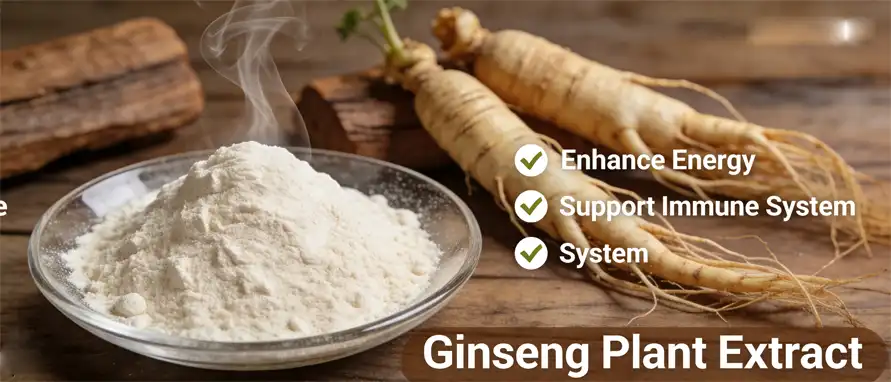
Ginseng plant extract is now one of the popular ingredients in supplements worldwide, not just for its traditional use. This concentrated plant ingredient, which has been extracted using advanced techniques to ensure specific ginsenoside concentrations, supports health maintenance that buyers and makers face every day. Raw ginseng root isn't always consistent and isn't very bioavailable. But premium standardized extracts, especially those confirmed to contain 80% total ginsenosides via HPLC, provide consistent potency, better absorption, and the regulatory compliance necessary for developing competitive nutraceutical products in today's market.
Understanding Ginseng Plant Extract and Its Health Benefits
Understanding the active ingredients that get results for customers is the first step in making a good vitamin. Ginseng plant extract has triterpene saponins called ginsenosides. These have been linked to several health processes, such as energy metabolism, immune system control, and brain function.
What Makes Ginsenosides Bioactive?
Ginseng's healthcare benefits come from its pharmacologically active ingredients, called ginsenosides. Key ginsenosides like Rb1, Rg1, and Re are found in high amounts in high-quality extracts from six-year-old Panax ginseng stems, especially those from the Changbai Mountain areas. These chemicals interact with cell receptors to help regulate cortisol balance, ATP production in mitochondria, and the modulate inflammatory response. When standardized to 80% total ginsenosides through HPLC testing, makers have full control over dosage accuracy. This means that customers can get the same results every time, and the company is less likely to face lawsuits.
Clinical Evidence Supporting Health Claims
Experts in the field have reviewed recent studies that show real benefits in a number of health areas. Studies published in metabolic journals show that taking ginsenoside supplements helps maintain normal glucose metabolism. Immunological studies show that taking a standardized substance helps support the activity of natural killer cells and the reaction of antibodies. Cognitive tests show that helps support cognitive function and attention over time, especially when people are under a lot of stress. Because of these benefits that have been proven to work, ginseng plant extract is a very useful ingredient that can supports overall physical health and wellness in one product. This ingredient is very helpful for companies that want to reach a wide audience.
Energy Enhancement without caffeine-like stimulant crash effect
Ginsenosides support long-lasting energy by improving mitochondrial efficiency, unlike caffeine-based energy ingredients that cause adrenaline to spike and then crash. This mechanism speaks to the growing group of people who want "clean energy" options. The functional beverage industry's procurement teams really like water-soluble standardized extracts that work well in ready-to-drink forms and stay stable in low-pH environments, which solves a lot of the formulation problems that plant ingredients have.
Comparing Ginseng Plant Extract with Alternative Supplements
Procurement workers can make smart sourcing choices that are in line with market trends and customer tastes when they know how their competitors are positioning themselves. The group of adaptogens has grown quickly, which can be beneficial and bad for choosing the right ingredients.
Extract Potency vs. Root Powder Forms
Total ginsenoside levels in raw ginseng root powder are usually between 2 and 5 percent, but they can reach 80% standardization in concentrated extracts. This tenfold difference in strength has a significant effect on how products are made. It would take 4-5 large capsules of root powder to get the same amount of active ginsenosides as one 500 mg tablet of 80% extract. This is a big reason why people don't take their supplements as prescribed. The extraction method also gets rid of tough fibers and starches that get in the way of absorption, which makes ginseng plant extract more bioavailable. Manufacturers of high-end supplements can benefit from extract formulations that let them make smaller dose amounts and more accurate label claims, which are both critical in today's competitive retail markets.
Ginseng vs. Ashwagandha for Stress Management
Adaptogens both deal with stress, but in different ways. Ashwagandha mostly changes cortisol levels through GABAergic pathways, which offers strong calming benefits. Ginseng improves brain function and makes you more resistant to stress by regulating the HPA system and directly protecting neurons. Product designers often mix the two ingredients to get benefits that work better together. However, they have to be cautious about dosing amounts and possible combinations between herbs and drugs. Understanding these differences in how they work lets you make smart decisions about how to formulate goods that set them apart in crowded stress-relief categories.
Organic Certification and Supply Chain Transparency
The difference between organic and standard extracts is more than just a matter of business. For organic certification to be granted, you must provide proof of tracking from the planting of the seeds to the end of processing. This naturally favors suppliers with strong quality systems. On the other hand, heavy metal and pesticide tests on standard extracts from approved GMP plants often show that they are just as pure. When you make a purchase choice, consider how much certification will cost and what the target market wants. For example, high-quality health brands usually require organic credentials, while value-tier goods may opt for cheaper conventional options as long as safety standards remain uncompromised. When suppliers give both organic and standard varieties along with clear testing records, it's easier to find what you need.
How to Effectively Use and Dose Ginseng Plant Extract in Products?
To turn scientific ideas into market-ready products, you need to pay careful attention to formulation details that affect both the product's performance and its production cost.
Recommended Dosage Ranges by Application
According to clinical research, the recommended daily dose for adults for standardized 80% extracts for general health purposes is between 200 and 400 mg. Formulations that focus on energy usually use 300 to 500 mg, and you can feel the benefits 30 to 60 minutes after taking it. Immune-supporting goods usually contain 200 to 300 mg of this ingredient as part of larger plant mixtures. These groups are based on evidence and help R&D teams make items that are both effective and affordable. Importantly, standardized extracts allow exact dosing estimates that aren't possible with raw materials that vary in potency. This lowers the risk of formulation and helps ensure that batches are reproduced consistently across production runs.
Stability Considerations Across Formats
The typical light yellow to brownish-yellow powder form stays stable when stored properly; any moisture level below 5% stops it from breaking down. In capsule uses, the extract works well with common fillers like microcrystalline cellulose or rice flour, as well as veggie cellulose shells. When making tablets, you need to pay attention to how they compress. For example, a fine particle size (D50 = 20-40μm) makes it easier to blend the ingredients evenly and predict how they will move. The extract dissolves easily in water, which is good for liquid uses. However, formulators should be aware that it dissolves slightly in alcohol when making medicines that contain alcohol. Testing for shelf life usually shows that the amount of ginsenoside stays the same for 24 to 36 months when the product is packed in materials that keep moisture out. This supports a favorable expiration date for business distribution.

Contraindications and Responsible Labeling
Being open about possible contacts builds trust in a brand and lowers its legal risk. Ginseng plant extract may interact with anticoagulant medications; consult a physician before use, necessitating explicit warnings on labels for individuals utilizing blood thinners. Because it helps maintain normal immune function, people with inflammatory diseases should talk to their doctors before using. Still, there isn't a lot of information about unfavorable events happening to pregnant and nursing women, so they should be treated with prohibited for use by specific populations. Responsible makers put these warnings on the labels of their products and provide supporting documents to wholesalers. This indicates that they care about customer safety, which builds trust with store partners and regulatory authorities over time.
Procurement Insights: Sourcing and Choosing the Right Ginseng Plant Extract Supplier
Choosing a supplier is one of the most important choices that affects the standard of the product, compliance with regulations, and the long-term success of the business. As part of the buying process, you need to carefully consider many things other than the offered prices.
Essential Certifications and Quality Documentation
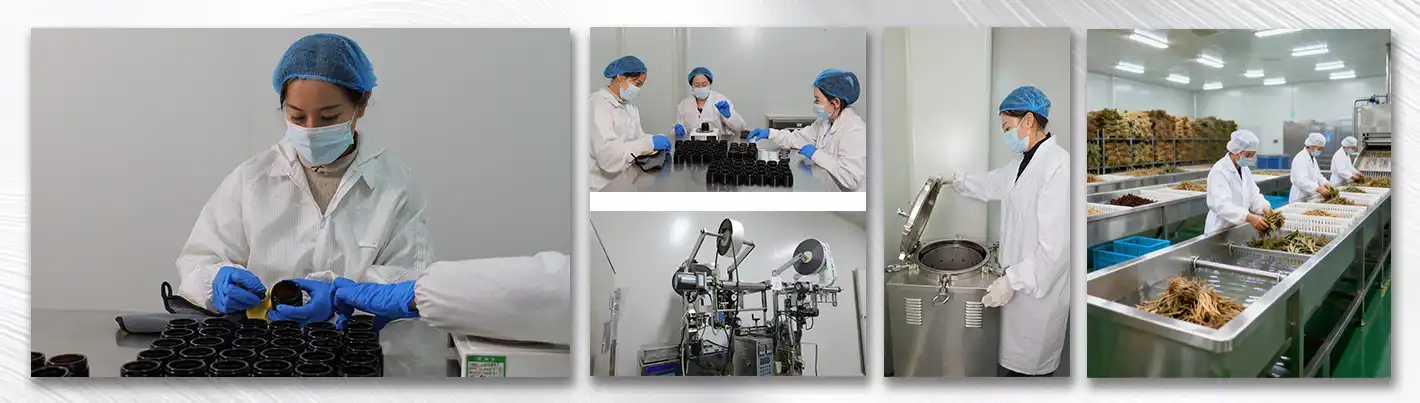
BioSpark (Xi'an) Biotechnology Co., Ltd. has a wide range of certifications, such as ISO9001, GMP, Kosher, Halal, and FDA registration, because we know that different markets and buyers value different qualifications. GMP approval shows that quality control is carried out in a planned way throughout the whole manufacturing process, from receiving the raw materials to packing them up at the end. ISO9001 offers more thorough proof of quality control systems. Kosher and Halal approvals let people with religious food needs buy from certain groups. When asked, suppliers should give current certificates along with audit reports from a third party that show they have checked for compliance. Professional manufacturers can provide full Certificate of Analysis paperwork for each batch, which includes heavy metal screening results, pesticide residue testing, microbial counts, and HPLC chromatograms confirming 80% ginsenoside content. Commodity brokers who don't have production oversight can't do these checks.
Minimum Order Quantities and Pricing Structures
MOQ rules that aren't too strict can work for a wide range of business types, from new names to well-known companies. Our minimum order amount of 1 kg lets product development teams test for stability and validate the market without having to keep too much inventory on hand. When it comes to commercial production, 25 kg drum packaging is usually used because it saves money and is easy to handle. Volume pricing structures reward larger commitments. Procurement managers should agree on tiered pricing that reflects real economies of scale while avoiding pressure to keep too much ginseng plant extract on hand, which ties up working capital. Knowing how much your sellers can really make helps you see if they can increase production as your brand grows. This way, you can avoid having to make painful changes when your first partners can't handle the growth.
OEM/ODM Capabilities and Customization Options
Comprehensive manufacturing partners do more than just give raw materials. They also help develop finished products, which speeds up the time it takes to get them to market. OEM deals let brands choose the formulas that makers produce under their own name, while ODM partnerships give brands access to established formulas that only need to have their packaging changed. These services are especially helpful for brands that don't have their own R&D or production centers. When checking a supplier's OEM/ODM skills, look at how much experience they have with relevant product forms (capsules, pills, powders, and liquids), as well as their knowledge of regulations for target markets and the different ways they can package their products. Full supply chain management, from getting raw materials to delivering finished goods, makes things easier for brands that focus on marketing and sales rather than manufacturing processes.
Evaluating Supply Chain Reliability
Supply problems lead to a chain of issues, from running out of stock to losing customers. Reliable providers keep enough stock on hand to support instant shipping. Our promise of "sufficient stock, fast and safe delivery" is based on investing in working capital to protect our customers' operations. Check out how providers work with people who grow the raw materials they use, especially when it comes to multi-year supply deals that protect against changes in the crops. Knowing about backup sourcing methods gives you peace of mind when there are problems in agriculture. There are different shipping methods (express, air freight, sea freight) and delivery terms (FOB, CIF, CFR, EXW, DAP, DDP) to meet various needs and budgets. Preferred payment terms, such as a T/T bank transfer, provide security and help with managing cash flow. However, long-term relationships may change to more open plans that help both parties grow.
Future Trends and Market Outlook for Ginseng Plant Extract in Supplements
Strategic buying means predicting how the market will change and setting up supplies and ties with suppliers in the best way possible. Several trends that are coming together point to long-term growth possibilities for ginseng plant extract.
Rising Consumer Demand for Immune Support
Since the outbreak, there has been a lot of interest in ingredients that help the immune system. Consumer polls regularly show that immunity is one of the most important health issues, which drives sales of supplements through various outlets. Ginseng plant extract fits well with this megatrend because researchers have shown that it changes the immune system. Consumers know ginseng plant extract, and science supports it, which is good for brands that make immune-boosting products. This trend is because consumers are becoming more picky about choosing products that are backed by evidence. Procurement teams should plan their supplies so that they don't miss out on sales chances when demand stays high, especially during seasonal highs.
Technological Innovations in Extraction and Bioavailability
New separation methods keep making ingredients work better. Using enzymes to break down major ginsenosides into rare intermediates like compound K and Rg3 shows better absorption and effectiveness in experimental models. Ginsenosides are changed into new bioactive compounds through fermentation processes that use certain bacterial strains. Currently, these specialized products are very expensive, but as they become more common, they will likely be easier for more people to obtain. Procurement professionals should monitor new technologies through trade magazines and communications with suppliers. They should decide if better bioavailability is worth the extra cost for certain uses or if standard extracts continue to meet market needs at a low cost.
Sustainability and Traceability Expectations
Environmental awareness affects buying choices more and more across all customer groups. Concerns about the long-term viability of wild ginseng gathering have pushed the business toward sources that are grown in a way that can be proven. Brands that care about the environment give suppliers who focus on organic farming, healthy farming methods, and clear supply lines an edge in the market. Traceability methods that show where the roots were grown—like our focus on Changbai Mountain six-year-old roots—add storytelling elements that help brands stand out. When buying for high-end markets, procurement teams should look for sellers with clear sourcing practices and lots of information about sustainability that can stand up to more scrutiny from customers, stores, and government agencies.
Emerging Market Opportunities
In Asia-Pacific, Latin America, and the Middle East, rising middle-class populations and greater health knowledge are speeding up supplement use, while in North America and Europe, supplement use is more established. People in these places often have a lot of cultural knowledge about traditional plants, which could cut down on the time it takes to educate consumers. Geographical diversification of both sourcing and sales outlets should be a part of procurement strategies. You can use supplier relationships to make regulatory compliance easier in multiple countries. Suppliers who know how to work with a wide range of legal systems, such as FDA rules, EFSA standards, and the rules that apply to different Asian markets, can help growing brands enter into new markets more easily.
Conclusion
The long-lasting success of ginseng plant extract in supplement forms is due to the fact that it has a unique mix of scientific support, a wide range of health benefits, and ease of production. Standardized extracts with an 80% ginsenoside content solve important problems that raw materials can't, like batch stability, optimizing absorption, and regulatory compliance. To successfully buy something, you need to carefully look at each seller and pay special attention to things like certifications, open testing, flexible minimum orders, and full production capabilities. Trends in the market that favor immune support, improved nutrition technologies, and environmentally friendly practices point to continued high demand. Strategic relationships with dependable suppliers who offer full paperwork, reasonable pricing, and scalable production capacity put brands at an advantage in the health market, which is very competitive, while still upholding the quality standards that make customers trust the brand and buy from it again.
FAQ
What is the optimal form of ginseng for supplement manufacturing?
Standardized extracts that have been checked by HPLC testing are the recommended choice for making supplements for sale. The 80% total ginsenoside standard guarantees uniform strength that can't be reached with raw root powder. This makes it possible to accurately calculate doses and get consistent results for customers. The fine, light yellow to brownish-yellow powder mixes easily into capsules, tablets, and powder supplements and stays stable for the normal amount of time that products are stored. Because it dissolves in water, it can be used in liquids when needed, but most makers prefer encapsulated forms for more accurate doses.
Which certifications should I prioritize when evaluating suppliers?
GMP approval is the basic condition; it shows that quality control is carried out in a planned way throughout the manufacturing process. Additionally, ISO9001 adds to the testing process for quality control. Kosher and Halal licenses let you sell to certain groups of people. Request recent third-party audit reports and batch-specific Certificates of Analysis that show HPLC ginsenoside verification, heavy metal screening, and pesticide residue tests in addition to official certifications. Full documentation packages show that the business is skilled and really cares about quality, not just making empty compliance promises.
Are there drug interactions I should disclose on product labels?
Ginseng products may make blood thinners less effective, so people who take them need to be given clear advice. Clinical research has shown that some antidepressants, immunosuppressants, and diabetes medicines can interact with each other. Manufacturers who are responsible put full warnings about interactions on their labels and give healthcare professionals tools. This openness saves customers, lowers the risk of being sued, and boosts professional reputation, since distributors and retailers are looking more closely at safety paperwork for products.
Partner with a Trusted Ginseng Plant Extract Manufacturer
BioSpark (Xi'an) Biotechnology Co., Ltd. is ready to help you reach your supplement growth goals by providing you with high-quality standardized extracts that meet the strictest international quality standards. Our 80% ginsenoside specification, which has been checked by HPLC testing, gives your products the stability and potency they need. Full certificates like ISO9001, GMP, Kosher, Halal, and FDA registration make sure that all global markets follow the rules. Businesses at all stages of growth can work with us because we offer variable minimum orders ranging from 1 kg to 25 kg drums for commercial production. Our experienced team offers full OEM/ODM support, from helping with creation to making the finished product. We keep enough stock on hand to ensure fast, reliable delivery through a variety of shipping options. Get in touch with our buyers at sales@biosparkcn.com to talk about how our ginseng extract sales services can help you make more products and be more successful in the market faster.
References
1. Lee, S.M., Bae, B.S., Park, H.W., et al. (2015). Characterization of Korean Red Ginseng: History, preparation method, and chemical composition. Journal of Ginseng Research, 39(4), 384-391.
2. Kim, J.H., Yi, Y.S., Kim, M.Y., & Cho, J.Y. (2017). The role of ginsenosides, the main active components of Panax ginseng, in inflammatory responses and diseases is significant. Journal of Ginseng Research, 41(4), 435-443.
3. Arring, N.M., Millstine, D., Marks, L.A., & Nail, L.M. (2018). Ginseng as a Treatment for Fatigue: A Systematic Review. Journal of Alternative and Complementary Medicine, 24(7), 624-633.
4. Kang, S., & Min, H. (2012). Ginseng, the 'Immunity Boost': The Effects of Panax Ginseng on the Immune System. Journal of Ginseng Research, 36(4), 354-368.
5. Reay, J.L., Kennedy, D.O., & Scholey, A.B. (2010). Effects of Panax ginseng, consumed with and without glucose, on blood glucose levels and cognitive performance during sustained 'mentally demanding' tasks. Journal of Psychopharmacology, 24(6), 771-781.
6. Zhang, X., Wang, H., Liang, X., & Xu, Y. (2021). Advances in extraction, bioavailability, and pharmacokinetics of ginsenosides: A review. Phytotherapy Research, 35(7), 3683-3706.

Send Inquiry
Related Industry Knowledge
- What Are the Main Health Benefits of Ginseng Plant Extract?
- How to Choose High-Quality Papaya Leaf Extract Powder?
- Can Pomegranate Peel Extract Powder Boost Your Antioxidant Power?
- Bulk Ilex Leaf Extract Supplier for Industry Use
- Chamomile Extract in Cosmetics: Calm Sensitive Skin Fast
- Rosa Roxburghii Extract Benefits for Gut Health Support
- Mimosa Root Bark Extract in Premium Skincare Lines
- Mimosa Root Bark Extract: Natural Antimicrobial Agent
- Yacon Root Extract Benefits: Prebiotic Gut & Digestive Support
- Top 8 Health & Industry Benefits of Oyster Shell Extract Powder