_1764041963888.webp)
What makes the best Tongkat Ali extract powder different from capsules?
Jul 15, 2026
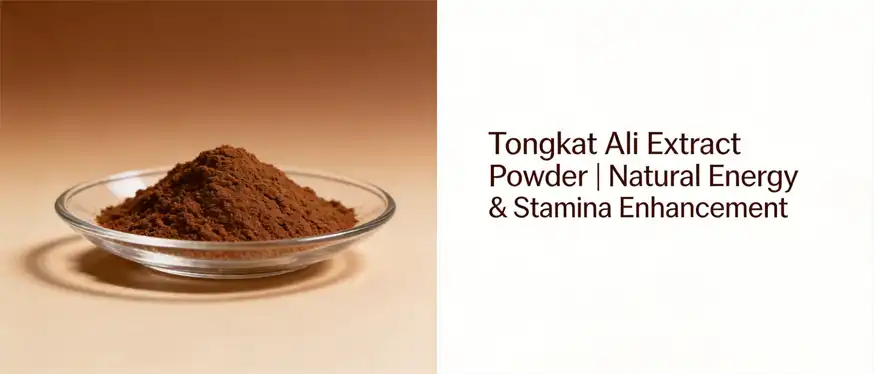
The best Tongkat Ali extract powder is very different from pills in how it is made, how it can be used, and how it can be shaped. Extract powder is a concentrated plant ingredient that is made using advanced extraction techniques. It contains high amounts of active substances such as eurycomanone and saponins. Even though capsules are handy for end users, they contain extra fillers and substances that may lower the effectiveness and make formulations less flexible. Extract powder gives B2B buyers more control over doses, recipe customisation, and cost efficiency. This is especially true for health supplement brands, nutraceutical companies, and importers. When procurement workers understand these differences, they can make sure that their sourcing choices meet both business needs and market expectations.
Understanding Tongkat Ali Extract Powder vs Capsules
The Fundamental Distinction Between Forms
In the supplement supply chain, Tongkat Ali extract powder and pills are used for different things. Extract powder is a concentrated, raw ingredient that is made using certain extraction methods, such as ethanol extraction or supercritical CO2 technology. This form has a lot of active ingredients—usually between 20% and 100% standardised extracts—so it can be used for both batch production and custom formulas. At BioSpark, our extract powder uses advanced supercritical extraction technology and a 10:1 concentration ratio to make sure it is as effective as possible while still keeping the polyphenolic active ingredients intact.
Capsules are a finished medication form that is meant to be used directly by the user. These are made up of extract powder or ground root material contained in gelatin or veggie shells, along with other things like flow agents, anti-caking agents, and stabilisers. Even though pills are convenient and come in pre-measured amounts, they also contain extra ingredients that could change how stable the medicine is on the shelf and how bioavailable it is. The encapsulation method also adds steps to the production process and prices that might not be right for large-scale production.
Manufacturing Processes That Define Quality
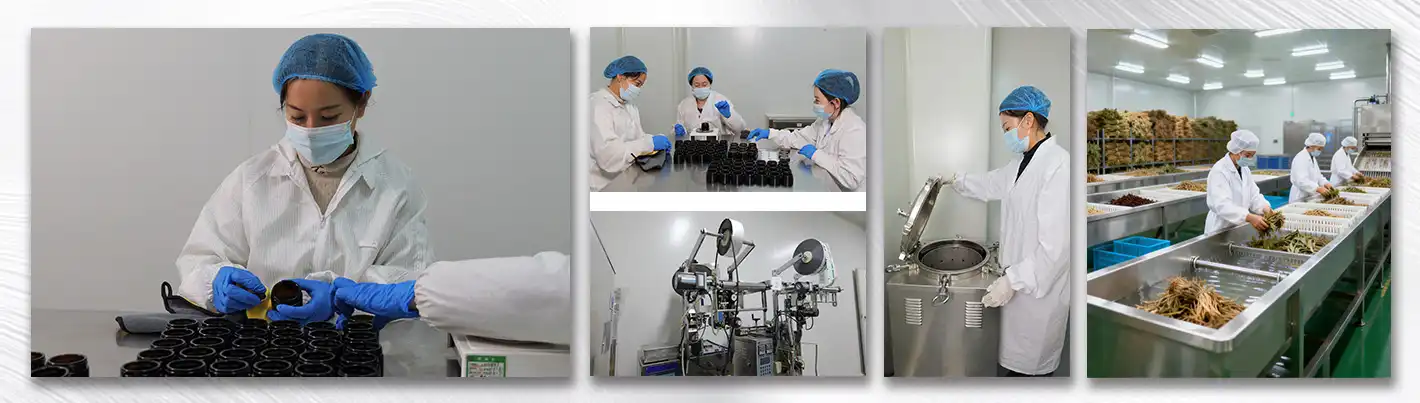
Several steps are needed to make high-quality Tongkat Ali powder, and these steps have a direct effect on how well the end product works. The first step in choosing raw materials is to find high-quality roots, which are usually grown from plants that are at least three years old. These roots are cleaned, dried at a low temperature (around 45°C to keep the active chemicals), and then finely crushed into particles that are 20 to 40 mesh in size. Dynamic counter-current extraction with an aqueous solution containing 70% ethanol at fixed temperatures (70–80°C) for 4–5 hours increases the amount of beneficial chemicals that are extracted.
The solution is cleaned by going through several stages of filtering, such as plate-and-frame filtration and 0.45μm microfiltration filters, after it has been extracted. Activated carbon decolourisation makes the product look better, and macroporous resin cleaning raises the amount of saponin. Triple-effect vacuum concentration below 60°C stops sensitive chemicals from breaking down due to heat. With input temperatures of 170-180°C and exit temperatures of 85-90°C, the last spray drying step makes a fine powder that has less than 5% moisture and more than 90% active ingredient retention.
Quality Parameters That Matter for B2B Procurement
Several standard signs are necessary to judge the quality of the extract powder. The total amount of saponins in the product should be at least 20%, with certain chemicals like eurycomanone falling between 5% and 15%. The amount of polysaccharides is usually between 20 and 35%, and the amount of amino acids, especially asparagine, should be more than 10%. To keep things stable while they are being stored and shipped, the moisture level must stay below 5%.
High-Performance Liquid Chromatography (HPLC) is used to test our Tongkat Ali extract powder thoroughly and make sure that the active ingredient amounts are correct. There are many certificates for each batch, such as ISO9001, Kosher, Halal, FDA registration, and GMP compliance. These certificates make sure that the product meets the rules in the US, Europe, and the Asia-Pacific region. Microbial control guidelines make sure that the total number of bacteria is less than 1000 CFU/g, the number of mould and yeast is less than 100 CFU/g, and there are no harmful bacteria at all.
Key Factors to Consider When Choosing Between Extract Powder and Capsules
Dosage Flexibility and Formulation Control
Best Tongkat Ali extract powder gives you more options than any other ingredient for making new products and unique mixes. Manufacturers can carefully change the dose to make each product stronger, mix different plant ingredients, and come up with their own formulas that set their names apart in a crowded market. This versatility is especially helpful when making unique products for various groups of people, like sports performance supplements with higher doses or general health products with modest amounts.
On the other hand, capsules come in set doses that are set when they are made. Standardisation helps retail distribution by making it easier for customers to use, but it makes it harder to quickly change goods in response to changes in the market or in the law. To change the recipe for capsule goods, whole production lines have to be retooled. But powder-based formulations can be changed batch by batch with little trouble.
Bioavailability and Absorption Considerations
The way that Tongkat Ali gets to people changes how well their bodies receive and use the active compounds. Some people think that extract powder that is mixed with liquids or soft gels may be absorbed faster than hard pills, which have to dissolve in the digestive system first. Our powder dissolves easily in water and some ethanol, which makes it easy for it to be quickly mixed and absorbed when added to drinks or soft-gels.
According to research, smaller particles, like our standardised 20-40μm powder, have more surface area that comes into contact with stomach enzymes. This could make the product more bioavailable. Since pure extract powder doesn't contain any other ingredients, it can't mess up the absorption routes. However, pills guard against oxidation and environmental degradation while being stored, which can keep their effectiveness for a long time if they are made correctly.
Suitability for Different B2B Applications
Powder or capsules? It depends on your business plan and the people you want to sell to. When brands need a lot of products for their own production lines, OEM and ODM manufacturers can use extract powder. Powder is useful because it can be used in many different ways by companies that make health supplements, functional foods, sports nutrition products, or drink mixes. The ability to make unique mixes by mixing Tongkat Ali with ingredients that work well together, such as tribulus, maca, or adaptogens, makes it possible to come up with new products.
When capsules are finished, they are sent to wholesalers and marketers, who then send them straight to retailers without having to make any more. This method lowers the original investment needed for production tools and facilities for quality control. It does, however, limit earnings margins and chances to make the company stand out. For startups that want to see how the market reacts before committing to large-scale production, buying small amounts of extract powder (we can handle orders starting at 1 kg) is a cheap way to test the product and see if the market likes it.
Comparing Quality and Effectiveness: What Makes the Best Tongkat Ali Extract Powder?
Potency Levels and Standardisation
Superior extract powder stands out by being consistently high-potency standardised. The concentration ratio, which is usually written as 10:1, 50:1, or 100:1, tells you how much raw material is needed to make one unit of extract. Our 10:1 ratio means that 10 kg of premium Tongkat Ali roots make 1 kg of compressed powder. This makes sure that clients get the most benefits from smaller amounts. This means that the cost of each serving is cheaper, and the prices at stores are more affordable.
Profiles of active compounds are another way to measure quality. Premium extracts have known amounts of important ingredients like eurycomanone (the main bioactive alkaloid), total saponins, carbohydrates, isoflavones (like genistein and daidzein), and amino acids. Products that are standardised to have certain amounts of these chemicals have impacts that can be predicted and repeated across different runs of production. Brands that want to build customer trust through solid product performance need to be consistent.
Purity Standards and Contaminant Control
The best Tongkat Ali extract powder stays very pure by checking for all kinds of contaminants. International safety standards must be met for heavy metals like lead, arsenic, cadmium, and mercury. Our goods are tested to make sure they meet the standards set by the USP, the EP, and the Chinese Pharmacopoeia. Pesticide residue screening checks for hundreds of different chemicals to make sure that farming inputs haven't made the product less safe.
Microbial pollution is another thing to think about when it comes to quality. At 6–9 kGy, cobalt-60 irradiation sterilisation kills harmful bacteria without hurting active chemicals or leaving behind radiation. This way of sterilising works better than ethylene oxide fumigation, which leaves behind chemicals that could be dangerous. The result is safe goods that can be used in dietary supplements, functional foods, and therapeutic settings with a range of governing environments.
Certification and Third-Party Verification
Full certification files show that a seller cares about quality and being open and honest. Good Manufacturing Practice (GMP) certification makes sure that factories keep controlled environments, follow written processes, and do quality checks on a frequent basis. Having ISO9001 approval means that you handle quality in a planned way in every part of your business. Organic standards, like USDA Organic and EU Organic, are appealing to brands that want to reach high-end customers who are willing to pay more for natural ingredients that have been checked out.
Third-party lab testing is an independent way to check that quality claims are true. Each batch should come with a Certificate of Analysis (COA) from a recognised lab that lists the amounts of active compounds, contaminants, and microbes. Because we are committed to being open and honest, we provide full paperwork to back up every quality claim. This way, your team can make confident procurement choices based on accurate information.
Knowing these differences in quality helps explain why premium extract powder always does better than normal capsule products in clinical settings and in terms of customer happiness. When brands spend money on better raw materials, they build names for efficiency that keep customers coming back and spread good word of mouth, which leads to long-term business growth.
Procurement Insights: How to Source the Best Tongkat Ali Extract Powder for B2B Needs
Evaluating Supplier Credentials and Capabilities
Thoroughly screening suppliers is the first step to successful buying to find the best Tongkat Ali extract powder for your business needs. Look for companies that can show vertical integration, which means they control the growing, extraction, and quality testing all in-house. This combination keeps quality control going at all stages and makes it possible to follow the product from the farm to the finished product. If you can, visit the sites or ask for detailed information about them, such as a list of all the tools they have, how much they can produce, and how they control quality.
Flexibility in manufacturing ability is what sets great providers apart from good ones. Your partner should be able to handle both small trial orders (so you can test the product and see if it's a good fit for the market) and large production runs (so they can keep up with demand as it grows). We offer this freedom by taking orders ranging from 1 kg for testing purposes to several tonnes for production lines that are already up and running. This ability to grow lets you build long-term relationships that change as your business does.
Certification Verification and Regulatory Compliance
Make sure that any possible suppliers have the right certifications for the places you want to reach. FDA registration is needed for sale in the U.S., and Novel Food approvals make it easier to get into the European market. Getting certified as halal or kosher can help you get jobs with certain groups of people. Ask for copies of recent awards and, if necessary, check their authenticity with the organisations that issued them.
Regulatory environments change all the time, so it's important for suppliers to be able to adapt to new needs. Expert makers keep in touch with regulatory experts and keep their compliance paperwork up to date on a regular basis. This proactive method keeps the supply chain from getting messed up when rules change. This keeps your business safe from sudden product shortages or restrictions on market access.
Pricing Structure and Value Assessment
The price of extract powder changes a lot depending on the amount of standardisation, concentration ratio, and approval. Finding the cheapest supplier may seem like a good idea at first, but it usually means sacrificing quality, stability, or following the rules, which ends up costing more in the long run through customer complaints, returns, or fines from the government. Look at the total cost of ownership, which should include costs for quality control, possible costs for reformulation, and effects on the brand's image.
Discounts for large orders should be based on real savings of scale, not on lowering the quality of the goods. Ask for thorough quotes that include exact product details, choices for packaging, shipping terms, and payment terms. Compare these prices from different providers, giving quality indicators and service skills the same amount of weight as price. Building relationships with providers who see partnerships as chances for both sides to grow is more valuable in the long run than relationships that are based on price.
Supply Chain Reliability and Logistics
Professional providers are different from unstable ones because they always have supplies available. Agricultural changes that happen with the seasons can make it hard to get raw materials, so it's important for suppliers to be able to handle their supplies and make predictions. Ask possible partners how they get their raw materials, how many goods they can hold, and how well they've delivered in the past.
Expertise in shipping and operations protects the purity of the product throughout the whole distribution chain. Botanical products need to be kept at a certain temperature and kept safe from light and moisture while being shipped. Our nitrogen-filled aluminium foil packing with desiccants inside keeps the product stable during long shipping times. Working with providers who are skilled in foreign shipping and know about things like customs paperwork, import rules, and freight forwarding can cut down on delays and the chance that products will get damaged or be held up by regulators.
Practical Tips for Using Tongkat Ali Extract Powder in B2B Applications
Dosage Recommendations and Safety Considerations
Tongkat Ali doses usually run from 200 mg to 600 mg per day of standardised extract, but this can change based on strength and the purpose of the dose. Higher doses (400–600 mg) are often used in sports nutrition products to help with performance and recovery. On the other hand, modest doses (200–300 mg) may be used in general health products along with other ingredients that work well together. Always give clear dosing directions that are based on the strength of your product and how it will be used.
When Tongkat Ali extract is bought from a reliable source and used in the right amounts, it has a very good safety profile. But buying teams should make sure that the safety tests their providers do are right, such as acute toxicity studies and allergen screens. Giving your regulatory and compliance teams complete safety paperwork can speed up the approval process for your products and protect your brand from legal issues.
Formulation Opportunities and Product Development
Tongkat Ali powder mixes amazingly well with plant ingredients that go well with it. Putting it together with tribulus terrestris makes recipes for men's health work better. Putting it together with adaptogenic herbs like rhodiola or ashwagandha appeals to people who want to deal with stress and get more energy. Adding maca root powder hits the areas of energy and stamina. These mixes let you make private-label goods that are different from generic products with only one ingredient.
Our water-soluble best Tongkat Ali extract powder is easy to use in a wide range of product forms. It's added to healthy drinks, protein shakes, and pre-workout mixes by beverage companies. The people who make tablets and capsules like how well it flows and how easily it can be compressed. Soft-gel makers like that it works well with several different base oils. This adaptability encourages new ideas in many different types of products, which helps brands get a bigger share of the market by offering a wider range of products.
Market Feedback and Continuous Improvement
Brands that do well constantly ask customers for feedback and use that information to keep improving their products. Keep an eye on online reviews, calls to customer service, and trends of returns to find ways to make things better. Keep up with the new study on Tongkat Ali uses and change your marketing messages to reflect that. This method shows that you care about customer satisfaction and keeps your goods in line with how customers' tastes change.
Keeping lines of contact open with your seller speeds up the process of product optimisation. Share comments from the market, talk about making changes to the recipe, and work together to create new products. Suppliers who care about your success offer professional help, suggest ways to make your formulations better, and let you know about new quality standards or changes to the law. With these relationships, your suppliers go from being just sellers to being strategic friends who help you stay ahead of the competition.
Conclusion
Which Tongkat Ali extract powder or pills you choose depends on your business plan, the people you want to sell to, and your ability to run your business. Extract powder is the best choice for makers, brands creating their own formulas, and businesses wanting to stand out from the competition because it offers more formulation freedom, lower costs, and more customisation options. There are some delivery platforms that capsules work well with, but they make it harder to come up with new ideas and improve margins. To do good buying, you need to check the credentials of suppliers, make sure they have the right certifications, figure out what the real value is beyond the price, and build relationships with partners who care about your long-term success. By knowing these differences, you can make smart choices about your sourcing tactics that will help your business reach its goals and take advantage of market possibilities.
FAQ
What concentration ratio should I choose for my formulation?
Different uses work well with concentration ratios between 10:1 and 100:1. A 10:1 ratio gives a reasonable amount of strength that works well for general health goods with a moderate dose (300–500 mg per serve). Higher ratios, like 50:1 or 100:1, give concentrated bioactives that allow lower-dose versions (100–200 mg per serve), which is useful for combination products that don't have a lot of room in capsules or tablets. When choosing concentration levels, you should think about your target market, how you want to place your prices, and your competitors. Our expert team can help you find the best ratios for your product based on its goals and help you find a mix between effectiveness and cost-effectiveness.
How does extract powder pricing compare to finished capsules?
Finished pills usually cost more per standardised dose than raw extract powder, but the exact price varies on the concentration, level of approval, and size of the order. Powder prices range from reasonable bulk rates for big orders to a little higher per-kilogram prices for small test amounts. Finished capsules have extra costs for sealing, excipients, and packing, but they don't need any equipment that needs to be made in-house. Figure out which choice is best for your business by adding up all of your production costs and total landing costs, or compare the effects on your profit margins of buying finished goods versus making them yourself.
Can I blend tongkat ali powder with other botanical extracts?
Tongkat Ali powder goes very well with plants that are similar to it, like tribulus terrestris, maca root, ashwagandha, fenugreek, and many adaptogens. These mixes make formulations that work better together to target specific health goals, like improving sports performance, coping with stress, or boosting energy. For even mixing, make sure that the extraction agents, moisture content, and particle sizes are all compatible when making custom mixes. Our formulation experts can help you come up with effective combos and test your products for stability to make sure that your mixed products stay effective throughout their shelf life.
Partner with BioSpark for Premium Tongkat Ali Extract Powder Supply
As a reliable best Tongkat Ali extract powder provider, BioSpark (Xi'an) Biotechnology Co., Ltd is ready to help you with your needs. Our advanced supercritical extraction technology, wide range of certifications (ISO9001, Kosher, Halal, FDA, GMP), and adaptable production capacity (from 1 kg trials to bulk manufacturing) allow us to meet the needs of health supplement brands, nutraceutical companies, and distributors all over the world. We offer full tracking, strength that has been checked by HPLC, and consistent quality that makes your goods stand out in crowded markets. Our team can help you with all stages of the OEM and ODM process, from coming up with an idea to formulating, manufacturing, packing, and shipping. Email us at leao@biosparkcn.com to talk about your unique needs, ask for samples, or find out how our knowledge can help you speed up the development of your product while still meeting all global legal requirements.
References
1. Talbott, S.M., Talbott, J.A., George, A., & Pugh, M. (2013). Effect of Tongkat Ali on stress hormones and psychological mood state in moderately stressed subjects. Journal of the International Society of Sports Nutrition, 10(1), 28.
2. Henkel, R.R., Wang, R., Bassett, S.H., Chen, T., Liu, N., Zhu, Y., & Tambi, M.I. (2014). Tongkat Ali as a potential herbal supplement for physically active male and female seniors—a pilot study. Phytotherapy Research, 28(4), 544-550.
3. Rehman, S.U., Choe, K., & Yoo, H.H. (2016). Review on a traditional herbal medicine, Eurycoma longifolia Jack (Tongkat Ali): its traditional uses, chemistry, evidence-based pharmacology and toxicology. Molecules, 21(3), 331.
4. Thu, H.E., Mohamed, I.N., Hussain, Z., Jayusman, P.A., & Shuid, A.N. (2017). Eurycoma longifolia as a potential adaptogen of male sexual health: a systematic review on clinical studies. Chinese Journal of Natural Medicines, 15(1), 71-80.
5. Leisegang, K., Tanelli, R., Sikka, S.C., & Panner Selvam, M.K. (2022). Eurycoma longifolia (Jack) improves serum total testosterone in men: A systematic review and meta-analysis of clinical trials. Medicina, 58(8), 1047.
6. Khanijo, T., & Jiraungkoorskul, W. (2016). Review the ergogenic effect of long jack, Eurycoma longifolia. Pharmacognosy Reviews, 10(20), 139-142.

Send Inquiry
Related Industry Knowledge
- Is snow lotus powder safe for elderly people to take daily?
- Can gardenia fruit powder be used in skincare products?
- What Are the Key Properties of Logwood Extract Dye?
- How Do Indian Herbal Extracts Support Natural Detoxification?
- White Willow Bark Extract Powder: Trends in Herbal Supplements
- Should You Try Garcinia Cambogia Extract for Fat Control?
- Is Radix Rehmanniae Extract Good for Metabolic Health?
- What Is Rosa Roxburghii Tratt Extract Used For?
- Why Rosa Roxburghii Extract Is Rich in Vitamin C?
- What Makes Spirulina Extract Tablets a Superfood Choice?