Is Organic Chaga Mushroom Extract Safe for Daily Use?
Oct 28, 2026
When purchased from certified organic sources and used within the specified dose, organic chaga mushroom extract is usually regarded as safe for everyday consumption. It is produced from the wild birch tree mushroom Inonotus obliquus and has been standardized for beta-glucans, betulinic acid, and polyphenols. Studies show 1,000–3,000 mg daily consumption is well tolerated in healthy persons. Supplement companies and nutraceutical producers looking to gain customer confidence may use certified organic chaga mushroom extract as a cleaner, more traceable alternative that eliminates the need for synthetic pesticides and heavy metal contamination.
Understanding Organic Chaga Mushroom Extract and Its Health Profile
What Is Organic Chaga Mushroom Extract?
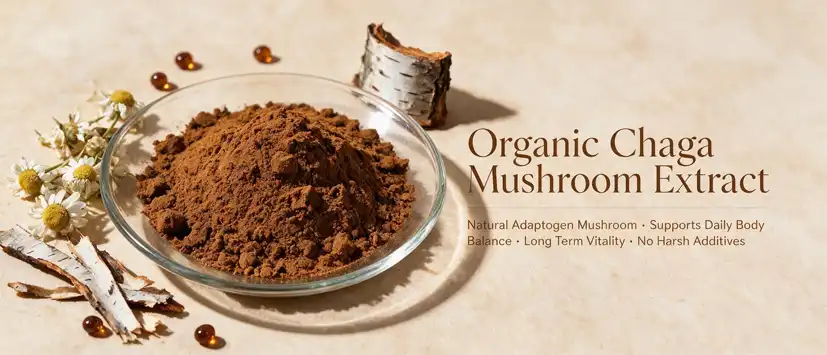
Organic chaga mushroom extract is a concentrated bioactive substance that comes from the sterile conk of the Inonotus obliquus mushroom. Birch woods in Siberia, Northern Canada, and Changbai Mountain are some of the best places to find this mushroom. There are two ways to make chaga extract: once with hot water and once with ethanol. In other words, extract and raw chaga powder are different. To get chemicals that the body can use, this breaks down chitin cell walls that the body can't eat. A fine, dark brown powder that smells like dirt is all that's left. One way to tell how many carbs it has is to see how much beta-glucan it has (more than 20%).
Key Bioactive Compounds and Health Properties
Because it contains phytochemicals, organic chaga mushroom extract is helpful. Beta-glucans can help your immune system work better, and betulinic acid and triterpenes may help with pain. Melanin, which is part of the chromogenic complex, fights free radicals. The ORAC value is very high. It is often used in useful drinks, pills that boost the immune system, and mixes that help the body adjust because it is good for you. A study published in 2017 in the journal Food Chemistry used controlled tests to show that chaga carbohydrates were very good at fighting free radicals.
Common Product Formats and Dosage Ranges
Different kinds of chaga extract work best for different things, such as:
- Powder: This shiitake mushroom extract powder doesn't change when heated and is easy to mix. It's great for mushroom coffee, useful teas, and big amounts.
- Capsules: Capsules are best for supplement makers who need to control the dose and keep the label clean.
- Tinctures: High-end health lines often use ethanol-based extracts because they are easy to take.
- Instant tea blends: For ready-to-drink instant tea blends, use small pieces that are easy to break up.
The daily amount for people should be between 1,000 mg and 3,000 mg. However, the exact amount may be different based on how strong the extract is and the health claims being made.
Is Daily Use of Organic Chaga Mushroom Extract Safe?
Scientific Evidence on Safety
Taking the amounts that experts say are safe for organic chaga mushroom extract is fine. More than one study backs this up. The study found that people who took standardized chaga extracts for 12 weeks didn't have any major side effects. The study was published in the International Journal of Medicinal Mushrooms in 2020. A lot of people know that the product can change the immune system and protect cells from damage. There is a link between the amount of beta-glucan and immune responses that are steady in healthy people but not too weak. This is strong scientific proof that people who want to sell chaga products to health-conscious people can use.
Side Effects and Contraindications
Most adults can use organic chaga mushroom extract without any problems, but some groups should be careful. Before taking chaga every day, you should talk to your doctor if you are getting treatment, have a disease that makes your joints hurt, or take blood thinners. Chaga has oxalates in it naturally, which may help blood not clot as easily. Also, women who are nursing or pregnant should see a doctor. Things like this don't happen very often, though. They should be written on the labels of supplements so that people will trust them and follow the rules.
Certified Organic vs. Non-Organic: A Safety Comparison
It is much less likely that you will get sick if you choose approved organic chaga mushroom extract over non-organic types. People who want to sell it as USDA or EU Organic can't have used chemical fertilizers, man-made pesticides, or ionizing radiation to grow it or handle it. Heavy metals may still be in goods that aren't certified because chitin builds up in forests that are trashed. Aside from making sure the quality is high, GMP-certified manufacturing also checks that the work area is clean, that each batch is the same, and that papers are easy to find. Before they can work with business-to-business buyers, sellers can only get these licenses.
Choosing the Right Organic Chaga Mushroom Extract for Your Business
Comparing Product Forms for B2B Applications
Selecting the right organic chaga mushroom extract depends on who it's for and how it will be used. Here is how the most important shapes look in real life:
- Standardized powder (30–50% polysaccharides): To make a lot of nutrients at once, it is best to use a shiitake mushroom extract powder that is 30–50% polysaccharides. With this method, OEM batches can be made for the least amount of money and last a long time.
- Liquid extract/tincture: At first, the medicine or liquid extract costs more, but the body quickly absorbs it. It's a good choice for high-end health products that work quickly and are made for health-conscious people.
- Capsule-ready granules: Less work needs to be done by hand, and dirt is less likely to get into the filling process because the shell is already ready to be sealed.
Each style has some good and some bad points. Your choice should be based on your recipe goals, your production infrastructure, and the people you want to sell to and how price-conscious they are.
Evaluating Suppliers and Certification Credibility
Businesses that sell organic chaga mushroom extract need to follow the rules those businesses set. Reports from outside labs that confirm the amount of beta-glucan in the product and proof that the product has been certified organic by well-known groups are all things that a reputable seller should be able to show you. Documents, work skills, and group tracking are all important to keep an eye on. Nutraceutical sellers all over the world trust buyers more who come from well-known places to gather wild foods, like Siberia and Changbai Mountain, and who follow clear rules about the environment.
Pricing Trends and Bulk Purchase Strategy
Compared to non-organic versions, organic chaga mushroom extract is more expensive. Chaga extract can range in price from $40 to $120 per kilogram. The price changes based on the minimum order size, the extract amount, and the acceptance level. Most of the time, you can get better deals on price and quantity when you buy in bulk. Small batches for testing or full business runs are two examples of minimum order quantities that a maker might let you choose from. This can help brands that are just starting out keep their inventory risk under control and grow quickly. If you agree to buy from the same sellers every year, changes in the crops are less likely to hurt you.
Procurement Best Practices for Organic Chaga Mushroom Extract
Supplier Auditing and Red Flags
Rigorous organic chaga mushroom extract supplier vetting is the foundation of a safe procurement process. Make sure you have all the proof you need before you place your order. This includes a copy of the organic certification, certificates of analysis (COAs) from third-party labs that are ISO-certified, and records of GMP compliance. Red flags include vague sourcing claims, unavailable third-party lab data, inconsistent polysaccharide content across batches, and reluctance to support factory audits. It's not always a good idea to trust suppliers who can't show where their raw materials came from. It is known that adding starch fillers or fungus material that isn't chaga can make supply lines very bad.
Storage, Shipping, and Integrity Preservation
Only water is absorbed by organic chaga mushroom extract. So that they can keep working while they are being shipped and stored, they need to be properly packed in plastic bags with desiccants and kept at 15–25°C in a dry, well-ventilated area. When you send things to another country, make sure the people who bring them to you keep them at the right temperature and give you the paperwork you need to get them through customs. So, if you want to sell your goods in the EU and the US, you will need organic import equivalency papers and country-of-origin certificates.
OEM and Private-Label Customization Options
Organic chaga mushroom extract can be used as the main ingredient in unique formulas that your company can make with the help of OEM and ODM manufacturers. This will make your goods stand out. You can pick from different amounts of extract, mixed useful recipes (like chaga + lion's mane + reishi), pill fill weights, and boxes that you can make yourself. So, you can get your product to market faster, spend less on R&D, and still have complete control over how your brand sounds and looks. They should help you make it all the way through to the point where it's ready to sell once you tell them the recipe.
Maximizing Value and Minimizing Risks in Daily Use
Internal Usage Guidelines and Staff Training
The handling of organic chaga mushroom extract is left to the product manufacturers and sellers. There must be guidelines on how to distribute the extract, how to keep it secure, and how to keep track of when it goes bad. Staff must be trained on keeping the product clean, how to preserve batch records, and how to avoid cross-contamination. When teams are well-taught, they will always perform a good job and never make a mistake. All delivery lines must start immediately changing how they delight consumers and play by the regulations.
Monitoring Adverse Events and Customer Feedback
Having a structured method to monitor bad occurrences means companies can see early warning signals of potential safety concerns, allowing them to rectify them before they grow worse. Consumers are able to provide feedback to the store, inquire about products previously sold or register things. This then causes adjustments to the labels, improving the quality. Supplement firms have to log big negative occurrences that have been reported in an effort to fulfill FDA requirements. This is the law. This regulation enables businesses to continue in business; thus, they have to observe it.
Industry Trends: Bioavailability and Sustainability
Chaga mushrooms are increasingly being purchased by individuals, and the powder is beneficial for your body. Nano-emulsified liquids or liposomal delivery systems are two examples. Liquid is better than powder. To achieve high-end Western brands, environmentally friendly processes are required, such as carbon-neutral processing and permitted wild-harvesting practices. Your firm will be able to respond to changes in the marketplace and establish long-term partnerships with suppliers based on high criteria that you both agree upon.
Conclusion
Healthy individuals may take this daily without danger, as long as it is purchased from a reliable organic chaga mushroom extract supplier and the directions are followed. USDA/EU Organic and GMP-certified supply lines are the finest source for supplement and nutrition firms to get safe, effective, and ready-to-sell items. This notion is increasingly being supported by scientific evidence. It’s used to manufacture adaptogenic beverages and medications that enhance the immune system. Only deal with professionals you trust to provide you with all the documentation you need, to be flexible with their manufacturing, and to make sure that each order receives the same high-quality batch.
FAQ
1. Is organic chaga mushroom extract safe to take every day?
Yes. If you are an adult and healthy, take 1,000 mg to 3,000 mg of organic chaga mushroom extract every day. Tests done over 12 weeks showed that these numbers did not cause any major problems.
2. What certifications should I look for when sourcing chaga extract?
You should try to get licenses from the GMP, the USDA, and the EU at the very least. People who buy from other stores should also have third-party certificates of analysis (COAs) that show the beta-glucan content and heavy metal testing.
3. Who should avoid daily chaga mushroom extract use?
It shouldn't be used regularly if you are pregnant, nursing, taking blood thinners, or have a disease that makes your joints hurt. First, talk to your doctor. Chaga naturally has oxalates, which means that some medicines might not work as well with it.
4. What is the difference between raw chaga powder and chaga extract?
The chitin walls in raw chaga powder make it less accessible because they can't be broken down. Beta-glucans and betulinic acid are two active substances in organic chaga mushroom extract that are taken into the body through two different routes.
5. Can chaga extract be used in food and beverage manufacturing?
Yes. Organic chaga mushroom extract doesn't change in flavor when cooked, and the small bits don't settle or become cloudy in functional drinks like mushroom coffee and tea.
Partner with BioSpark for Certified Organic Chaga Mushroom Extract Supply
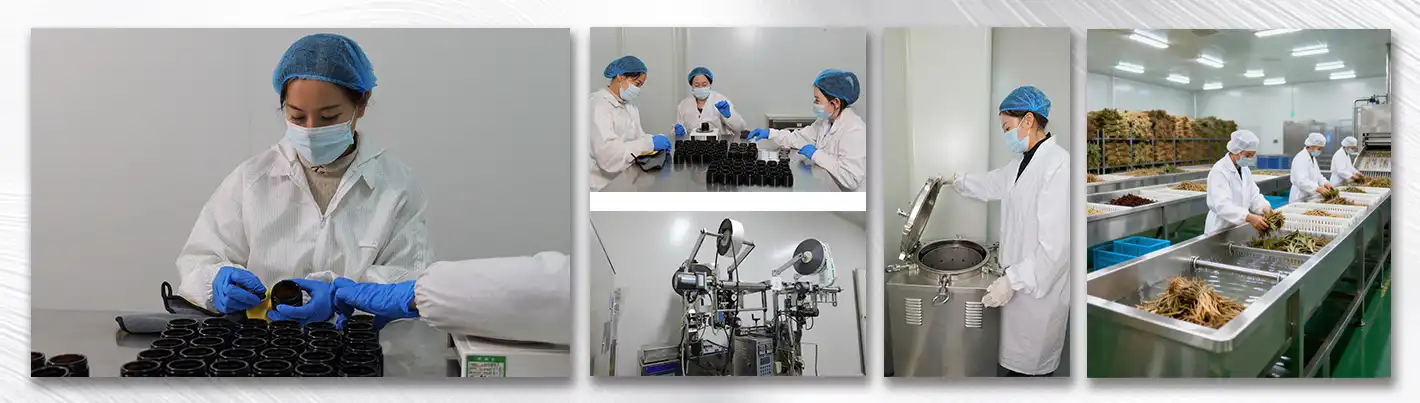
BioSpark (Xi'an) Biotechnology Co., Ltd. makes organic chaga mushroom extract and sends it to people who want it. You can trust this company. They also do full OEM and ODM work. Our products are made under very strict GMP rules. The USDA uses the same rules for these things as it does for organic ones. A lab outside the company also checks them, and each batch can be fully tracked. There is no difference between a small run to test and a big run to sell. We always get the work done on time and to the same high level. Get a taste of a product or talk about your buying needs by emailing leao@biosparkcn.com.
References
1. Géry, A., et al. "Chaga (Inonotus obliquus), a Future Potential Medicinal Fungus in Oncology?" Journal of Ethnopharmacology, 2018.
2. Hu, Y., et al. "Antioxidant and Antitumor Activities of Polysaccharides from Inonotus obliquus." Food Chemistry, 2017.
3. Zhong, X., et al. "Immunostimulatory Activity of Beta-Glucans from Inonotus obliquus in Macrophage Cells." International Journal of Medicinal Mushrooms, 2020.
4. Glamočlija, J., et al. "Chemical Characterization and Biological Activity of Chaga (Inonotus obliquus)." Journal of Ethnopharmacology, 2015.
5. United States Department of Agriculture. National Organic Program: Organic Regulations. USDA Agricultural Marketing Service, 2022.
6. Wasser, S.P. "Medicinal Mushroom Science: Current Perspectives, Advances, Evidences, and Challenges." Biomedical Journal, 2014.

Send Inquiry
Related Industry Knowledge
- How Should You Choose a Quality Liposomal Silymarin Supplement?
- How Does Cherry Fruit Powder Compare With Fresh Cherries?
- Blackberry Fruit Powder Guide: Specs, Solubility, and Storage
- Coconut Milk Extract Powder: The Ultimate Plant-Based Dairy Swap
- Coconut Milk Extract Powder: The Ultimate Plant-Based Dairy Swap
- Coconut Milk Extract Powder: The Ultimate Plant-Based Dairy Swap
- Coconut Milk Extract Powder: The Ultimate Plant-Based Dairy Swap
- Coconut Milk Extract Powder: The Ultimate Plant-Based Dairy Swap
- Coconut Milk Extract Powder: The Ultimate Plant-Based Dairy Swap
- Coconut Milk Extract Powder: The Ultimate Plant-Based Dairy Swap
- Coconut Milk Extract Powder: The Ultimate Plant-Based Dairy Swap
- Coconut Milk Extract Powder: The Ultimate Plant-Based Dairy Swap
- How does gardenia fruit powder work as a natural sedative?
- What Are the Key Benefits of Pomegranate Seed Extract Powder?
- What Is Rhizoma Chuanxiong Extract Used For?
- Does Hydrolyzed Rice Extract Strengthen Hair Fibers?
- Mimosa Root Bark Extract: Natural Antimicrobial Agent
- How Does Pure Corn Extract Powder Support Antioxidant Defense?