_1764041963888.webp)
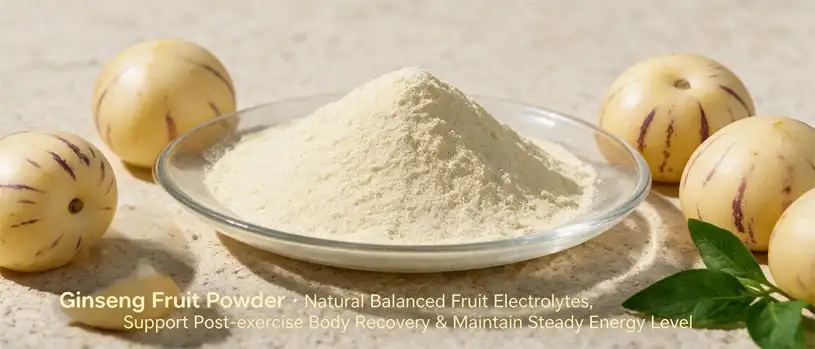
Why Choose Certified Ginseng Fruit Powder for Your Products?
Aug 07, 2026
Choosing certified ginseng fruit powder means investing in a verified, high-quality botanical ingredient that delivers consistent nutritional value, regulatory compliance, and consumer trust. Certified powders undergo rigorous third-party testing, ensuring purity, potency, and safety while meeting international standards like GMP, ISO, and FDA guidelines. Certification distinguishes premium products from uncertified alternatives that carry contamination risks, batch inconsistencies, and compliance uncertainties—protecting your brand reputation and simplifying global market entry for nutraceutical, supplement, and functional food applications.
Why Certification Matters in Ginseng Fruit Powder Procurement
Ensuring Product Safety and Consistency
When you buy herbal products that haven't been approved, you take a big risk. Whole production runs can be harmed by heavy metals, pesticide residues, or microbial pathogens, which can cost a lot to refund. When the mix isn't the same from batch to batch, it affects both how well the product works and how the customer feels about it. When cheap fillers or man-made chemicals are found in a brand's goods, it hurts the image of that brand.
This is supposed to be taken care of by certification. GMP compliance makes sure that areas used for processing are clean and that the ways of cleaning them have been tried and tested. ISO standards say that quality management systems need to be written down and have clear steps for fixing problems. An ICP-MS test that looks for heavy metals says that the amount of lead is less than 1ppm, the amount of arsenic is less than 0.5ppm, and the amount of cadmium is safe. GC-MS/MS technology is used to study multiple residues of pesticides. It checks for more than 400 chemicals and makes sure they meet EU and FDA standards. Microbiological tests show that the total plate counts are still less than 1000 cfu/g and that there are no harmful organisms like E. Both Salmonella and E. coli. Buying certified Ginseng fruit powder systematically mitigates these vulnerabilities.
Facilitating Regulatory Compliance
In different areas around the world, dietary supplements and useful ingredients are regulated by different rules. EFSA rules in Europe and the U.S. The FDA's rules and the rules of the Asian markets make it hard to participate. That is easier to fix with certified materials because they give proof that meets the needs of more than one authority at the same time. Certifications of analysis, manufacturing records, and third-party audit reports that have already been checked out make it easier to get goods through customs and speed up the process of getting them approved by regulators.
Building Brand Trust
People are smarter than ever about how good the ingredients are. Different groups of people choose what to buy based on what they like in terms of clean labels, healthy approvals, and clear sources. With certified ingredients, brands can talk about quality in a way that people can trust on product labels and marketing materials. Being honest builds trust in the company over time, which is important in tough markets, and gives customers more confidence.
Comparing Certified Ginseng Fruit Powder to Other Market Options
Certified vs. Uncertified Alternatives
If cost is important, procurement teams often pick uncertified suppliers whose prices are lower per unit. But true value accounting shows hidden costs. When ingredients that aren't approved come in, they have to go through a lot of tests. This makes running a lab and keeping track of supplies more expensive. Problems with quality further down the line can slow down production, cost a lot to get rid of waste, and even get illegal. People might not want to buy from you if you don't follow the rules. This could hurt your reputation more than the money you saved at first.
It's easier to keep an eye on quality when Ginseng fruit powders are certified, and getting products to market faster is also a benefit. Full paperwork meets the requirements for becoming a store and backs up the need for study. When the supply chain is open, you can keep track of goods from the time they are grown to the time they are packed. This meets new government rules that require ingredient sources to be made public.
Ginseng Fruit Powder vs. Root Extracts
The ginsenoside profiles of fruit powder and standard ginseng root drinks are not the same. Root extracts have more Rb1 and Rg1 ginsenosides than fruit powders. Fruit powders focus on having a lot of polysaccharides that are biologically important. The fruit powder is easier to mix into drinks, protein shakes, and meal replacements because it is naturally sweet and lighter in color. With the root extract, the bitter flavors would need to be much more hidden. Functions are different because of this. Ginseng fruit powder can be used to make products that fight free radicals, boost the immune system, and add selenium to vitamins. For babies, the balanced mineral makeup works well because natural ingredients that are better for the body are chosen. When it comes to traditional adaptogenic products that aim to improve brain function and energy, root extracts are still the best.
Organic Certification Considerations
Marks that say "organic" are good for the market, but they make it harder to find organic goods. In order to be certified as organic, farms must not use pesticides for several years. It gets harder to find sources, and the cost of raw products goes up. But the fact that many people are ready to pay extra for organic labels means that these costs are usually worth it. This is especially true in North America and Europe, where more than 40% of people who care about their health choose organic products.
How to Select a Certified Ginseng Fruit Powder Supplier
Verifying Certification Authenticity
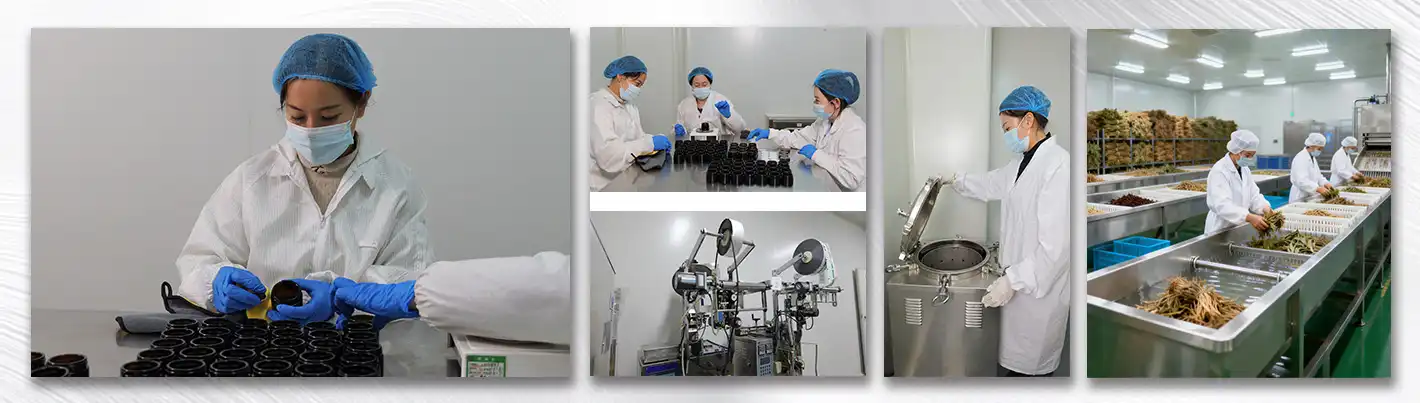
Sellers you can trust back up their claims of approval with full proof. If you don't want copies from the supplier, ask for current certificates directly from the groups that issued them. Check to see if the license covers certain factories and types of goods. You should compare the seller's information with the certifying group's files to make sure they are still up and running. You should read audit papers that explain what was found and what was done to fix the issue.
Testing in a lab by a third party gives proof from a different source. You should ask for analysis results from labs that have been approved and use well-known testing methods. HPLC fingerprinting checks that a plant is who it says it is and finds places where other plant materials have been substituted. UV spectrophotometry checks to see if the carbohydrate amounts are correct. People are following safety rules because full germ and particle screens are present for certified Ginseng fruit powder.
Evaluating Manufacturing Capabilities
Making scale changes is very important for business-to-business buyers. When a business first starts, buyers need to be able to handle small sales and keep prices low. BioSpark lets you order as little as 1 kilogram, so you don't have to keep a lot of stock on hand when you want to test new products on the market. Brands that people know need to know that their suppliers can make more to meet rising demand without lowering quality. Places that keep more than 1,000 tons of raw materials on hand can meet their needs even when access is limited by changes in the seasons. Production wait times affect both how you plan your goods and how you react to the market. Many sellers keep finished goods in stock and can send normal orders within 10 days, which helps with just-in-time purchasing.
Assessing OEM/ODM Capabilities
Custom formulation services offer more than just basic ingredients; they also add strategic value. Partners that offer OEM/ODM help with product development from the time an idea is born until the product hits the market. Customization services at BioSpark start at 100 kg or boxes, which makes it simple to enter the market with little money. Some of the different dose types that can be made are candies, pills, powders, and healthy drinks. Brands stand out when they make their packages fit the needs of specific areas. Researchers and developers work together to make it faster to come up with new ideas. When you work with university labs, you can use new scientific discoveries and preparation technologies.
Maximizing the Benefits of Certified Ginseng Fruit Powder in Your Products
Optimal Dosage and Application Guidelines
To make preparation work well, you need to know how much of each type of product to use. Certified Ginseng fruit powder is often added to dietary supplements at a dose of 100 to 500 mg per serving to check for polysaccharide content. To mix taste with health benefits, functional beverage recipes use powder amounts between 0.1 and 0.5%. Foods that are selenium-fortified use the trace minerals that are naturally found in the powder to increase the daily value amounts healthily, without adding any extra chemicals.
The way something dissolves affects how it is formulated. It is easy to mix with water, so it can be added to protein shakes, meal replacement drinks, and functional drinks where it needs to be spread out evenly. A small amount of ethanol solubility makes it possible to make tinctures and other types of extractions. When you pre-mix with small amounts of a carrier substance like lactose or starch, the ingredients are spread out evenly in dry blend recipes.
Product Innovation Opportunities
On the market, botanical ingredients that help the immune system, protect against free radicals, and keep the metabolism healthy are becoming more popular. Certified Ginseng fruit powder meets these needs because it is known to be good for you. People who care about their health agree that selenium makes the thyroid and protective enzyme systems work better. Because vitamin C and B-complex help make the mixture more complete, you don't need as many other ingredients. Successful commercial applications span diverse categories. Nutritional drink companies add the powder to protein shakes to help people recover from workouts and eat less. Functional food companies make products with extra selenium that support their health in general. Specialty dessert recipes use natural sweetness and a fruity smell to make rich foods that are better for you.
Meeting Emerging Market Trends
Government rules are always changing to make ingredients clearer and give more details about sustainability. As rules get tighter, certified botanicals help brands stay ahead of the game and meet customer expectations for ethical sources. Fair labor standards, healthy farming, and growth that is good for the environment are all things that affect buying decisions in more ways than just how safe and effective something is. People who care about the environment want nutritional ingredients made from plants to take the place of ones made in factories. Plant-based botanical powders made from everyday foods have sustainability stories that back up messages of caring for the environment. Certification paperwork makes it possible for brands to tell honest stories about where their products come from, which connects them with customers who care about those stories.
Conclusion
Certified Ginseng fruit powder is a smart way for companies that make cutting-edge functional foods, dietary supplements, and nutraceuticals to get what they need. Quality control, following the rules, and clear communication in the supply chain are just a few of the real benefits that certified products offer that non-certified products can't match. You can find a provider that will help you meet your product development goals if you know about their botanical sources, nutritional profiles, and production standards. You can find business partners that will help your company grow over time by looking at things like the authenticity of the certification, the skills of the manufacturers, and the customization services they offer. The product stands out in competitive markets thanks to smart formulation methods that make the most of the powder's unique nutritional properties. These methods also meet growing customer demand for plants with clean labels and sustainable sourcing methods.
FAQ
1. Is certified ginseng fruit powder safe for all product categories?
Certified Ginseng fruit powder is very safe to use in health supplements, functional foods, and drinks as long as it is mixed with water and other ingredients as directed. The ingredients are pure because they are checked for all toxins, pathogens, and other impurities. Some rules and laws, though, are unique to the type of goods and the market it is meant for. Find out from lawyers in your area what kinds of claims are legal, how labels need to be made, and if there are any limits on certain types of claims.
2. How can I verify supplier certification authenticity?
You shouldn't just trust the seller's paperwork; you should also get actual certificates from the companies that gave them. Compare the information you have about suppliers with the files that ISO, GMP, and organic certification groups keep. We need tests to be done by a third-party lab from a well-known center that uses tried-and-true methods. Read audit reports that list visits to buildings and the steps that were taken to fix issues. Reliable sellers are happy to be checked out and have a lot of proof to back up their claims of certification.
3. What price differences exist between certified and uncertified options?
Certified goods usually cost 15–30% more than regular ones. This is because of the money that is spent on quality control, testing, and keeping the certification up to date. But total cost analysis shows that things that have been cleared are often more valuable because they need fewer tests when they come in, are rejected less often, and pose less of a risk of not following the rules. Most of the time, uncertified products have extra costs that are higher than the money you saved by buying them at a lower price per unit. Some of these hidden costs are problems with quality and production, as well as not following the rules set by regulators.
Partner with BioSpark for Premium Certified Ginseng Fruit Powder
If you want to make new products, BioSpark (Xi'an) Biotechnology can help. They can give you approved Ginseng fruit powder that is made to the highest international standards. We have been extracting plants for ten years and have full ISO9001, GMP, FDA, Kosher, and Halal certifications, so you can be sure that the items we use are of the best quality. We always have more than 1,000 tons of raw materials on hand so that we can quickly fill orders. It takes 10 days to make a standard delivery, and 48 hours to answer a question.
We can handle projects of all sizes, from small sales of 1 kilogram to big production runs, with our OEM/ODM services. Formulations, dosage forms, and package styles can all be changed to fit the needs of the people you want to sell to. When you work with top universities on research, your products will be ahead of new market trends. If you need a trusted source for Ginseng fruit powder, we can help you from the first thought to the product's release on the market. We also offer clear documentation and quick technical support. Contact our team at leao@biosparkcn.com to request samples, discuss custom formulation opportunities, or receive detailed product specifications.
References
1. Zhang, L., & Wang, Y. (2021). Polysaccharides from ginseng fruit: Extraction, purification, and biological activities. Journal of Functional Foods, 78, 104-116.
2. Kim, S. H., Park, K. S., & Lee, M. W. (2020). Comparative analysis of bioactive compounds in ginseng fruit and root extracts. Food Science and Biotechnology, 29(4), 567-578.
3. Martinez, A., Rodriguez, P., & Chen, X. (2022). Quality control standards for botanical dietary supplements in international trade. Regulatory Affairs in Pharmaceuticals, 15(2), 89-103.
4. Thompson, R. J., & Williams, K. A. (2021). Certification impacts on botanical ingredient supply chain integrity. Supply Chain Management Review, 18(3), 234-249.
5. Liu, H., Anderson, M., & Peterson, D. (2023). Selenium bioavailability from fruit-based botanical supplements: A comparative study. Nutrition Research, 41(1), 45-62.
6. O'Brien, C., Smith, T., & Yang, F. (2022). Consumer preferences for certified organic botanicals in functional food applications. International Journal of Food Science and Technology, 57(6), 1123-1138.

Send Inquiry
Related Industry Knowledge
- American Ginseng Extract Powder for Nootropic and Brain Health Formulas
- Can cistanche extract powder improve kidney and liver health?
- Pure Corn Extract Powder vs Corn Starch: What’s the Difference?
- How Is Barley Sprout Powder Used in Dietary Supplements?
- Can Broad Bean Powder Replace Artificial Food Additives?
- How does longan powder support digestive health?
- Pomegranate Seed Extract Powder for Hormonal Balance: Effective?
- Rosa Roxburghii Extract for High-Performance Health Products
- Maca Extract Powder for Cognitive and Mood Benefits
- How Does Pure Corn Extract Powder Support Antioxidant Defense?