_1764041963888.webp)
How to use white willow bark extract powder for the best results?
Jul 03, 2026
To get the best results from white willow bark extract powder, make sure that your mixtures always have the same amount of salicin (15–25%), which can be found in HPLC-tested extracts. When making functional drinks, food supplements for joint health, or topical creams for localised pain, it's important to keep exact dosage control so that the therapeutic effects are always the same. Handling products correctly, getting them from approved sources, and knowing how they work metabolically are all things that can help make products more effective while also following all the rules in global markets. Because the plant extract is gentle, it is a popular choice among people who want to use natural products.
Understanding White Willow Bark Extract Powder
White willow bark extract powder comes from the Salix alba tree, which has been used for hundreds of years in traditional medicine as a valuable plant. In the bark, salicin is the main beneficial ingredient. Other substances that help it work are flavonoids (quercetin, rutin), tannins, and phenolic glycosides. These working together give the extract a wide range of health benefits, which makes it useful in nutraceutical products, beauty uses, functional food development, and pharmaceutical research.
Botanical Origin and Chemical Profile
The Salix alba species does best in mild climates, and the bark should only be collected during the tree's best growth stages to keep its active ingredients. Modern methods of separation separate and concentrate salicin while keeping the purity of antioxidants that work with it. Standardised extracts usually promise to have 15% to 25% salicin content. This is proven by high-performance liquid chromatography (HPLC) testing methods that make sure stability from batch to batch.
For business-to-business buyers, this standardisation of chemicals is very important. Consistent strength has a direct effect on how well a product works, how happy customers are with it, and how quickly it gets approved by regulators in different markets. When getting plant ingredients, it's important to check the analytical certificate of analysis (COA) to make sure that the amounts of active compounds meet the needs of the formulation.
Industrial Relevance Across Multiple Sectors
The product can be used for many things besides just helping with health. In the growth of nutraceuticals, it supports the creation of joint health formulas, natural pain relief pills, and anti-inflammatory support tablets. Functional food companies use the powder to make health drinks and drinks that are good for you. The beauty industry likes how gentle it is and uses it in massage gels, healing creams, and products that help the skin.
Pharmaceutical firms are looking at the extract as a base for over-the-counter herbal drugs that can help lower fevers and improve overall health. This adaptability comes from the extract's ability to provide specific benefits while still interacting gently with the body. B2B clients can use this wide range of uses to expand their product lines while keeping the ease of finding ingredients.
Dosage Recommendations and Safety Considerations
According to clinical studies, the best daily dose is between 120 mg and 240 mg of standardised extract, which gives you about 60 mg to 120 mg of salicin. These amounts change based on the type of product and the health goals that are being pursued. For ease of use, capsules usually have concentrated doses, while topical applications use smaller amounts spread out over a bigger surface area.
When goods are used in the right amounts, their safety ratings stay good. One thing to think about is sensitivity in people who are allergic to aspirin, since salicin is metabolised similarly. Women who are pregnant or nursing, children younger than sixteen, and people who are taking blood-thinning drugs should not get this treatment. To make sure that products are used responsibly, B2B formulation teams must make sure that these parameters are clearly communicated through accurate labelling and customer education materials.
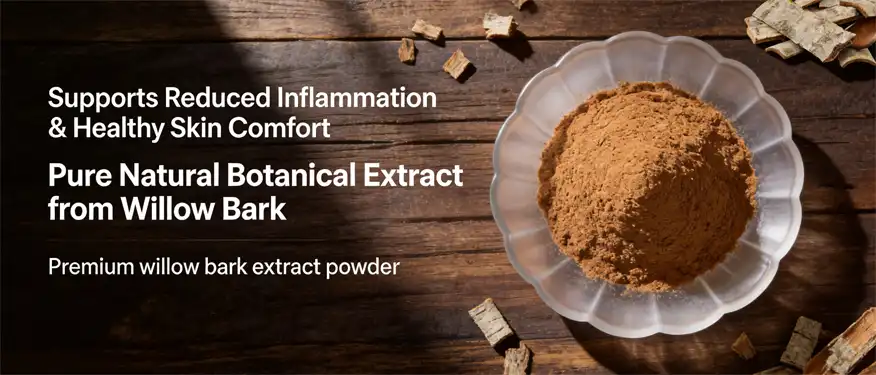
How White Willow Bark Extract Powder Works: From Chemistry to Effectiveness
Understanding the molecular process of salicin digestion is very important for people who make products and buy things. Salicin is changed into salicylic acid in the liver and gastrointestinal system after it is eaten. Salicylic acid is the main metabolite that provides health benefits. This natural conversion process is very different from manufactured routes for pain relief, which makes it a better choice for sensitive consumers.
Metabolic Pathway and Mechanism of Action
The process of change for white willow bark extract powder starts when stomach enzymes separate salicin's glycosidic bond, letting glucose and saligenin escape. Saligenin is changed into salicylic acid by bacteria in the gut and enzymes in the liver. This acid then moves through the bloodstream. This slow change makes a sustained-release effect, which means that therapeutic amounts stay high for a long time without the sharp peaks that come with synthetic options.
Salicylic acid stops cyclooxygenase (COX) enzymes from working, especially COX-2, which controls pain and inflammation. The botanical route shows greater COX-2 activity, which may lower gastrointestinal side effects compared to manufactured inhibitors that stop both COX-1 and COX-2 enzymes. Because of this selection, customers often say that the stomach effects are milder than with other options.
Comparative Advantages Over Synthetic Alternatives
The plant product has a few unique qualities that appeal to today's health-conscious customers. People who want plant-based answers like natural sources, which fit with the market trend toward clean-label goods. Because the metabolic change happens slowly, there is less chance of stomach soreness, which can happen with synthetic painkillers that are used for a long time and hurt the stomach walls.
Consumer choice data constantly shows that people want natural products more and more. A study of the 2022 market showed that 73% of supplement buyers in the U.S. are actively looking for natural options to synthetic chemicals. This choice can be turned into business possibilities for companies that market their goods with natural health stories. When B2B buyers take advantage of this trend, they get better market positioning and more loyal customers.
Quality and Purity Standards in Procurement
Quality control starts with choosing the right provider. Manufacturers with a good reputation use multi-stage testing procedures that include name checks, strength tests, heavy metal screening, microbial contamination tests, and residue fluid analyses. HPLC is still the best way to prove the amount of salicin in a sample, and thin-layer chromatography (TLC) checks the identity of a plant sample against possible fakes.
Heavy metal tests should show that amounts of lead are less than 3ppm, arsenic are less than 1ppm, cadmium are less than 1ppm, and mercury are less than 0.1ppm. These are important limits for export compliance. Microbial limits must meet strict requirements, such as a total plate count of less than 1,000 CFU/g and no pathogens like E. coli, Salmonella, and Staphylococcus aureus. These requirements aren't just legal boxes to be checked; they're basic quality indicators that show whether a product is safe and will sell in the market.
Best Practices for Using White Willow Bark Extract Powder in Your Products
To make a good product, you need to think carefully about the quality of the extract, the correct dose, and how to keep the product fresh. All of these factors work together to show whether final goods consistently provide benefits that earn customers' trust and encourage them to buy again.
Selecting Optimal Extract Quality
When deciding between organic and standard extracts, you have to weigh cost against market positioning. Premium prices come with organic approval, but they let you reach niche markets ready to pay higher prices. Conventional extracts meet quality standards by following good manufacturing practices (GMP), and they're cheaper for product lines that care about price.
The difference between standardised extracts and raw bark powder has a big effect on how well a product works. The amount of salicin in raw bark powder varies, usually between 0.5% and 1.5%. This makes doses inconsistent, which makes it harder to stick to label claims and follow regulations. Standardised extracts with confirmed 15% to 25% salicin content allow exact formulation control, which supports accurate therapeutic dosing and uniform experiences for consumers.
Dosage Strategies Across Product Formats
Capsules, which usually have 200 mg to 400 mg of standardised extract per serve, let you precisely control the dose. This approach works well for people who want easy access to daily wellness help. Gelatin or veggie capsules keep the powder dry and hide the slightly bitter taste that comes from plant extracts.
For topical uses, you need to use different dosage methods. Creams and gels usually have between 2% and 5% extract by weight, spread out evenly in the base of the recipe. The powder dissolves easily in water, which is a sign of a good extract. This makes it easy to mix into water-based and emulsion-based systems without any gritty or separate problems.
Storage and Handling Protocols
Throughout the production and delivery lines, the stability of active compounds is directly affected by how they are stored. Because it contains polyphenols, the extract is hygroscopic, which means it can easily take in water from the air. Because of this, it needs to be stored in vacuum-sealed, double-lined bags inside sealed drums, where the temperature must stay below 25°C, and the relative humidity must be below 60%.
Photosensitive chemicals break down faster when they are exposed to light. Amber glass bottles, aluminium foil pouches, or UV-protective plastic cases are all examples of opaque packing materials that keep the potency of goods while they are being stored or displayed in stores. Changes in temperature during shipping need to be taken into account, especially for foreign shipping that goes through more than one climate zone.
Procurement Guide: Sourcing White Willow Bark Extract Powder for B2B Buyers
Strategic buying means carefully examining possible providers based on a number of factors that, when added together, show whether the partnership will work. Because foreign markets for botanical ingredients are so complicated, they need thorough checks that protect the purity of the supply chain.
Identifying Reliable Suppliers and Key Certifications
Certification portfolios for white willow bark extract powder show how committed a seller is to quality processes and following the rules. Good Manufacturing Practice (GMP) approval shows that a company follows rules for operations that keep production conditions uniform and reduce the risk of contamination. Certifications from the International Organisation for Standardisation (ISO), especially ISO 9001 for quality management and ISO 22000 for food safety, show that a process is being controlled in a planned way.
Organic approvals from the USDA, the EU, or similar groups show that the food comes from safe sources and is grown without using chemicals. These badges come with higher prices, but they give you access to organic product areas that are growing quickly. Kosher and Halal licenses help businesses reach more customers by meeting the religious food needs of certain groups of people.
Pricing Dynamics and Bulk Purchase Strategies
The price of extracts changes depending on how many plants are harvested, how much of the extraction capacity is being used, and how competitive the market is. On the market right now, bulk standardised 15% salicin extracts cost between $35 and $65 per kilogram, and organic approved choices cost 30% to 50% more. These amounts change with the cycles of agricultural commodities, which affects the price of raw materials.
There are several ways that volume agreements can open up better pricing arrangements. When you buy in bulk, you save money on packing and handling costs per unit and help suppliers make better schedules for production. Long-term supply deals, which usually last between 12 and 36 months, give sellers a better idea of how much demand there will be, which allows them to offer lower prices in exchange for guaranteed buy volumes.
Logistics and Regulatory Compliance Considerations
When you buy things from other countries, the rules for importing them, getting them through customs, and checking the quality when they arrive can be complicated. The U.S. Customs and Border Protection (CBP) needs the correct Harmonised Tariff Schedule (HTS) classification to figure out the tax rates that apply. For plant extracts, this is usually 1302.19.91. Under the Dietary Supplement Health and Education Act (DSHEA), FDA rules say that buyers must make sure that suppliers follow current Good Manufacturing Practices (cGMP).
Packets of import paperwork should have business invoices with full product details, certificates of analysis, phytosanitary certificates for farm goods, and declarations of place of origin. Some places need extra certifications, like free-sale papers that show goods can legally be sold in the country where they were made.
Case Studies: Successful Applications of White Willow Bark Extract Powder
Real-life examples show how carefully choosing ingredients and working with suppliers can lead to business success in a wide range of market uses. These stories show useful ways to solve problems that can be used in different work situations.
European Distributor's Nutraceutical Pain Relief Product
A dealer in the Netherlands created a natural recipe for joint comfort that includes standardised willow bark extract and plants that work well with it, such as turmeric and boswellia. It was hard to come up with a recipe that was both effective and tasty for consumers while still keeping a clean-label stance that didn't use any synthetic additives.
Finding a 20% salicin standardised extract allowed for accurate dosing at 300 mg per capsule, giving 60 mg of salicin per dose, which is in line with studies that supports health benefits. HPLC testing showed that the potency was the same across all production runs, meeting the strict EU regulations set by food supplement guidelines.
US OEM's Anti-Inflammatory Topical Cream
A California-based OEM maker made a soothing massage cream for a national health brand that was looking for natural alternatives to topical painkillers made from chemicals. As part of the development process for white willow bark extract powder, the extract concentration had to be optimised, the emulsion chemistry had to be kept steady, and skin compatibility had to be proven through safety tests.
The recipe team chose a base with natural oils, emulsifiers, and preservatives that had a 3% extract content. Because the powder was very soluble in water, it was easy to mix in without making the mixture gritty, and its light colour kept the cream's nice look. Testing for stability showed that the product's strength and physical stability were still there after 24 months of fast-ageing conditions.
Collaborative Supplier Partnership Case
A new supplement brand teamed up with an experienced botanical extract seller that could provide full OEM services, including formulating, legal advice, and manufacturing. The company didn't have any scientific knowledge in-house, but it was good at marketing and knew exactly who its target customers were.
The supplier's technical team created a unique mix of willow bark extract and other health-promoting ingredients, which set the product apart from others on the market. Regulatory advice made sure that label claims followed FDA rules and improved the efficiency of communication. The provider oversaw the production increase from small test batches to large commercial quantities, making sure that the quality stayed the same as the business grew.
Conclusion
To get the best results from plant extracts, you need to combine solid supplier partnerships, careful formulation strategies, and high-quality sources. Standardised salicin content confirmed by HPLC testing makes sure that the product always works the same way, which builds trust with customers. Paying close attention to the exact amount, storage conditions, and regulatory compliance is key to making money when making dietary supplements, functional foods, or topical uses. Strategic buying that focuses on checking certifications, having clear paperwork, and building long-term relationships with suppliers makes the supply chain more stable while still upholding quality standards. As more people look for natural ways to improve their health, properly made goods will be able to stay successful in a wide range of categories and markets.
FAQ
What certifications should I verify when sourcing botanical extracts?
Priority certifications include GMP compliance, which shows that the product meets quality standards during production, ISO certifications, which prove that the company follows organised management procedures, and organic credentials if the company wants to reach high-end customers. Having Kosher and Halal licenses helps you reach more customers. In addition to qualifications, you should also ask for a lot of paperwork, like analytical certificates, stability studies, heavy metal screening, microbial testing, and pesticide residue analysis that prove the product meets the rules of the target market.
How does salicin content affect product formulation decisions?
Standardised salicin content directly affects how to calculate doses and make sure that label claims are correct. When compared to raw bark powder, which has amounts that range from 0.5% to 1.5%, extracts with 15% to 25% salicin content allow for exact formulation control. Higher standardisation lowers the amount of medicine that needs to be used in each serving, which makes things easier for consumers and makes sure that the medicine is delivered consistently across production batches, which is needed by regulations.
What storage conditions preserve extract potency during distribution?
To keep the active ingredient stable, the powder needs to be kept away from water, light, and heat. Keep it in vacuum-sealed, double-lined bags inside sealed cases where the temperature stays below 25°C, and the relative humidity stays below 60%. Light-sensitive chemicals don't break down when they're in opaque packaging. Temperature-controlled shipping keeps goods safe while they're being shipped across foreign borders and through different temperature zones. When kept properly, material stays active for 24 to 36 months, with regular tests to make sure.
Can this extract integrate into beverage formulations effectively?
This powder dissolves easily in water, making it easy to mix with drinks without any separation or precipitation. The light colour doesn't have much of an effect on how the drink looks in most systems. Bitter flavours may need to be covered up with sweets or plants that go well with them. To make sure that recipes will stay stable over time, test them in the pH ranges and temperatures for which they were made. When it comes to problems, cold-processed drinks are easier to solve than hot-processed ones that need to be tested for heat sensitivity.
Partner with BioSpark for Premium White Willow Bark Extract Powder Supply
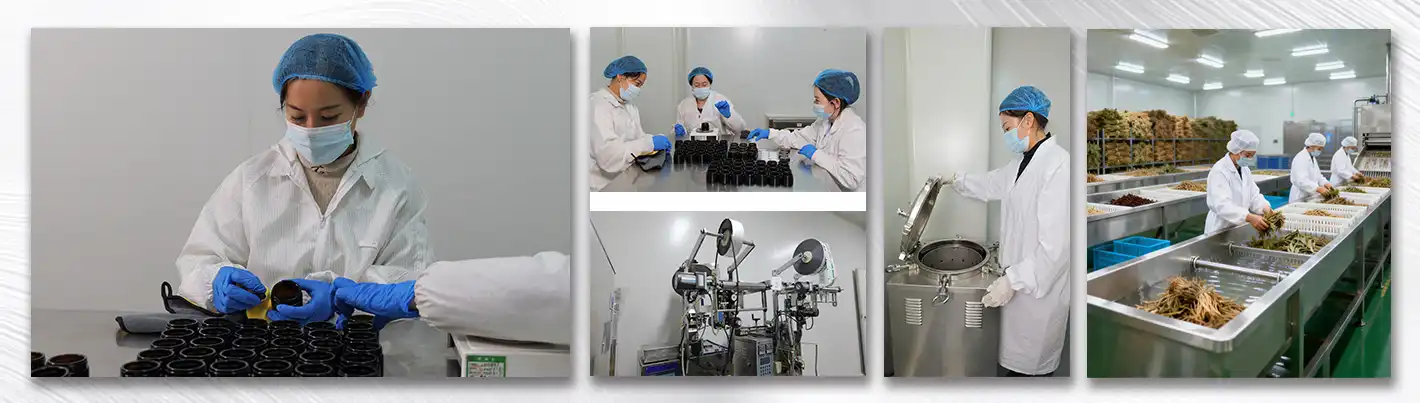
BioSpark (Xi'an) Biotechnology Co., Ltd provides standard white willow bark extract powder plant ingredients that meet the strict needs of nutraceutical and health product makers around the world. Our willow bark extract goes through strict HPLC testing that guarantees it has 15% salicin. We also provide full-quality paperwork to support regulatory compliance across global markets. We keep our production sites GMP-certified and use strict process controls from checking the raw materials to packing them all up.
Our technical team offers full OEM and ODM support, including formulating, testing for stability, legal advice, and production that is tailored to your product vision. Our flexible capacity can be adjusted to meet the needs of your business, whether you need small-batch customisation for testing the market or large-scale production to keep up with rising demand. We know how important it is for the supply chain to be reliable, for strong inventory management to be maintained, and for shipping to be coordinated so that deliveries are made on time all over the world.
Get in touch with our team right away to talk about your needs for plant extracts. We're ready to help you use high-quality ingredients in successful product formulations by giving you examples, cheap quotes, and expert advice. Get in touch with us at leao@biosparkcn.com to start a business relationship based on quality, openness, and mutual success. We are a reliable seller of white willow bark extract powder, and we want to help your business grow by giving you good ingredient options and quick technical support.
References
1. Shara, M., & Stohs, S. J. (2015). Efficacy and Safety of White Willow Bark (Salix alba) Extracts. Phytotherapy Research, 29(8), 1112-1116.
2. Schmid, B., Lüdtke, R., Selbmann, H. K., Kötter, I., Tschirdewahn, B., Schaffner, W., & Heide, L. (2001). Efficacy and tolerability of a standardised willow bark extract in patients with osteoarthritis: randomised placebo-controlled, double blind clinical trial. Phytotherapy Research, 15(4), 344-350.
3. Vlachojannis, J., Magora, F., & Chrubasik, S. (2009). Willow species and aspirin: different mechanisms of action. Phytotherapy Research, 23(10), 1359-1366.
4. Nahrstedt, A., Schmidt, M., Jäggi, R., Metz, J., & Khayyal, M. T. (2007). Willow bark extract: the contribution of polyphenols to the overall effect. Wiener Medizinische Wochenschrift, 157(13-14), 348-351.
5. Bonaterra, G. A., Kelber, O., Weiser, D., Kinscherf, R., & Metz, J. (2010). In vitro anti-proliferative effects of the willow bark extract STW 33-I. Arzneimittelforschung, 60(06), 330-335.
6. European Medicines Agency Committee on Herbal Medicinal Products (2017). Assessment report on Salix [various species including S. purpurea L., S. daphnoides Vill., S. fragilis L.], cortex. EMA/HMPC/80628/2016.

Send Inquiry
Related Industry Knowledge
- Why Is Tanshinone Danshen Extract Powder Important in Cardiovascular Health?
- Why Is Liquorice Extract Powder Popular in Herbal Supplements?
- Can loquat powder be used for respiratory health?
- Is longan powder safe for children and the elderly?
- Marigold Extract Powder: Market Trends & Insights
- Best Tongkat Ali Extract Powder: What to Look For?
- Rosehip Extract Powder Benefits: What Does Science Say?
- What Is Papaya Leaf Extract Powder and How Does It Work?
- Kacip Fatimah Extract: Natural Phytoestrogen for Women
- Ganoderma Extract Powder: Natural Antioxidant Powerhouse