_1764041963888.webp)
How to Select Premium Chinese Cabbage Powder for Bulk Orders?
Jul 24, 2026
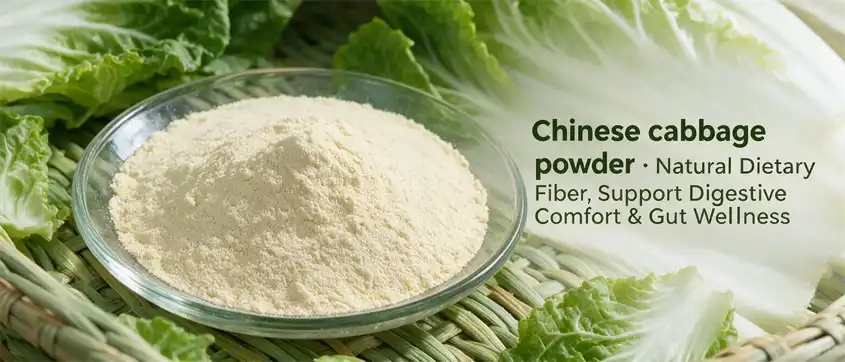
Selecting premium Chinese cabbage powder for bulk orders requires careful attention to active ingredient specifications, supplier certifications, and production methods. Quality powder typically features a 40% cabbage polysaccharide content verified through UV spectrophotometry, exhibits a light yellow to light brown appearance with characteristic vegetable aroma, and meets international certifications including ISO9001, GMP, FDA, Kosher, and Halal standards. Buyers should prioritize suppliers offering comprehensive testing documentation, flexible delivery terms, and full traceability from raw material sourcing through final packaging.
Understanding the Basics of Chinese Cabbage Powder
What Is Chinese Cabbage Powder and How Is It Produced?
Fresh cabbage leaves are used to make Chinese cabbage powder. The leaves are extracted using modern plant-based methods that keep the nutrients in the leaves and extend the shelf life. First, the green cabbage is carefully picked out. It is then washed, dried, and ground in a controlled setting. Modern businesses use supercritical extraction and membrane separation to get the most polysaccharides out of their goods while also making sure they are clean and bioavailable.
This ingredient comes from veggies and turns fresh food that goes bad quickly into a stable, concentrated form that is easy for makers to add to different recipes. It is during the extraction process that bioactive compounds, especially Chinese cabbage polysaccharides, are concentrated. These chemicals are good for you in the same way that fresh cabbage is, but they come in a form that is easier to use and can last longer on the shelf.
Nutritional Profile and Active Components
Because it is full of good things for you, Chinese cabbage powder is useful in the healthy food and vitamin businesses. UV spectrophotometry shows that good powder has uniform amounts of carbohydrates from cabbage, which are usually around 40%. These polysaccharides are what make it work. They help the immune system and keep cells from getting hurt.
The vitamins, minerals, essential fibre molecules, antioxidants, and polysaccharides from the original vegetable are still in the powder. With this full nutritional profile, companies can make products that healthy customers who want plant-based fitness options that are good for the environment will like.
Industrial Applications and Why Powder Form Matters
Factory owners pick dried vegetable parts over fresh vegetables for a number of useful reasons. As long as the Chinese cabbage powder form is used, it stays the same from one production run to the next, is easy to store, and doesn't have seasonal supply issues. It's simple to mix Chinese cabbage powder with water and other things to make many different things.
Many industries use it in a lot of different areas, such as:
- Functional Foods and Beverages: The powder is put into nutritional bars, health drinks, and meal replacement shakes by manufacturers so that the plant-based health benefits can be added without changing the taste or look of the food. It mixes well without leaving a gritty film because it melts in water.
- Dietary Supplements: As a result of the high concentration of polysaccharides, supplement companies like to make capsules, tablets, and powders that help the immune system and digestive health. Because the amount of active ingredients stays the same, doses can be used correctly, and the product will always work as it should.
- Specialty Food Products: Bakers, pasta makers, and specialty food makers can make their foods healthier by adding vegetable-based ingredients. This is appealing to people who want healthy foods that they can eat every day.
You can see why powdered ingredients are so important for business-to-business buyers who need to find trustworthy, adaptable ingredients that meet production needs and meet customer expectations for natural, useful goods.
Key Criteria for Selecting Premium Chinese Cabbage Powder for Bulk Orders
Evaluating Quality Parameters and Specifications
The first things that are used to judge quality are how something looks and how it acts. The best Chinese cabbage powder is a light yellow to light brown colour and has small, even particles. It doesn't smell bad and smells like veggies. The texture should be smooth and not lumpy, which means that the production team made sure it was just the right amount of wet.
The most important quality factor is making sure that the active ingredients are all the same. Suppliers you can trust will sell powder that has been checked for polysaccharides in cabbage, and is usually 40% when UV spectrophotometry finds it. People can safely compare things from different sellers because this testing method works and can be used over and over. You should ask for an analysis report for each production batch that shows the amounts of heavy metals, bacteria, polysaccharides, and pesticide leftovers.
Solubility qualities are important for figuring out if a mixture will work. Good Chinese cabbage powder mixes easily with water and barely at all with ethanol, so it can be used in drinks and liquid nutrients that are based on water. If you test samples of your own special recipe before making big orders, you can avoid problems that could be hard to fix and cost a lot of money to fix later.
Essential Certifications and Compliance Standards
When suppliers get certified, it gives customers peace of mind that the factories use quality management systems that are known and trusted all over the world. As long as a company has ISO9001 certification and GMP certification, it means that they follow good manufacturing practices when making food and vitamins. When a product is registered with the FDA, it shows that it meets U.S. legal standards, which is important for American importers and marketers.
Certifications for food and religious needs make the market bigger. You can sell your goods to people who follow certain food rules if they are certified Kosher or Halal. This lets you get your goods in front of more people without lowering their quality. For these certificates, audits by a third party are needed. This is another way to show that you can trust the supplier.
There's no need for organic approval, but brands that want to attract high-end buyers should get it. People who are ready to pay more for ingredients that are sure to be free of GMOs and pesticides, and can be tracked from the farm to the finished product, like organic Chinese cabbage powder.
Packaging, Storage, and Shelf Life Management
The right package keeps the Chinese cabbage powder's quality safe while it's being moved and stored. Industrial packing usually uses 25 kg drums that are sealed with several layers of plastic and wrapped with kraft paper that won't get wet. This form mustn't let water in because powders high in polysaccharides are very hygroscopic.
The right way to store it is in a cool, dry place with less than 60% relative humidity. It should last for 24 months. People who want to buy something should read the product's storage instructions and ask for data from a rapid stability test that shows how it works in different temperature and humidity levels. This knowledge helps improve the way stores are run and the way stock is changed out.
When a product is shipped, changes in temperature can hurt its structure. To make sure your goods are handled properly during shipping, talk to your sellers about the best ways to move them. This is especially important for foreign orders that go through different climate zones. Some buyers want devices that check the temperature to be put in containers so that storage conditions can be written down while the containers are being shipped.
Comparing Chinese Cabbage Powder with Other Vegetable Powders in Bulk Procurement
Nutritional and Functional Comparisons
Professionals in procurement look at the nutritional value, functional benefits, and ability to be mixed with other ingredients of different veggie powder choices. Chinese cabbage powder is different from other powders like kale or spinach in some important ways. Spinach and kale both have more iron and vitamin K, but Chinese cabbage powder has the most carbohydrates, which are good for your liver and gut.
Different kinds of veggie powder taste very different from one another. The taste of Chinese cabbage powder is mild and slightly sweet, and it doesn't get too strong when mixed with other things. If you want to use kale powder in something that doesn't taste too strong or bitter, you might need to hide it in something else that doesn't taste too strong or bitter. You can find spinach powder in the middle. It's a bit earthy and works well in savoury recipes.
There are also differences in how the tools work. Because it has a lot of carbs, Chinese cabbage powder is naturally thick, which can be useful for making drinks and powder mixes thicker. These polysaccharides can be used instead of some made stiffening agents to help with clean-label attempts while keeping the desired texture. This is because they have a mucilage-like quality.
Price-to-Value Analysis
The cost of vegetable powders changes based on the availability of raw materials, how hard they are to extract, and the amount of approval. Usually, Chinese cabbage powder costs more per kilogram than simple vegetable mixes that don't have standardised active ingredients. On the other hand, kale or spirulina powders cost less per kilogram. People who want to buy something shouldn't just look at the price per kilogram; they should also look at how much of the active ingredient they get and how well it works.
Standardised extracts cost more, but their constant strength and confirmed bioactive content make up for it. When 40% of a product's polysaccharides are standardised, the effects are the same every time it is made. This makes it easier to make the formula and lowers the cost of checking the quality. It's possible that cheaper powders that aren't standardised need higher inclusion rates to work just as well, so the cost savings might not be worth it.
Find the best deal by getting quotes from more than one service that match your unique needs. You can get a better idea of the real price differences between sources by finding out how much it costs per gram of active polysaccharides instead of how much it costs per kilogram of Chinese cabbage powder.
Organic Versus Conventional: Making the Right Choice
Soil type, customer wants, and where you want to sell your goods all affect whether you use organic or conventional farming. Healthy people are ready to pay more for organic Chinese cabbage powder because they know it doesn't have any chemicals in it and that the supply chain is clear. Brands that want to sell in natural health stores, high-end supplement lines, or in Europe often need to get organic approval first.
These conventional powders meet strict quality standards and tests for pesticide residue. They are a great choice for mass-market products that don't need to be organic to be competitive or for brands that want to save money. Standard Chinese cabbage powder costs less than organic powders but still has the same amount of carbohydrates and works the same way.
Think a lot about what your company stands for. By using both organic and regular ingredients in the same lines of products, you can get more customers and give picky shoppers more high-end choices while keeping the prices of your regular products cheap. Customers believe brands more when they can see what they're getting, even if the product hasn't been approved yet.
How to Find and Work with Trusted Chinese Cabbage Powder Suppliers
Sourcing Strategies and Platform Selection
To find trustworthy suppliers, you need to use a variety of sourcing methods, such as online platforms, trade shows, and direct contact with manufacturers. You can cut down the sellers on business-to-business (B2B) sites like Alibaba and Global Sources by certifications, minimum order amounts, and product specs. There are services on these sites that protect buyers and make sure that providers are real, which lowers the risk in the first place.
It's better to work directly with manufacturers like BioSpark than to go through trading companies. Companies that make things have better prices, more ways to customise them, direct access to production teams, and full expert support. You can check a factory's certifications, production skills, and quality control systems when you work directly with makers.
At trade shows, people who want to buy and sell food and health supplements can meet in person and get to know each other while trying out samples. Chinese manufacturers who want to work with companies from other countries go to shows like SupplySide West in the US or Vitafoods Europe in Europe. There are lots of chances to meet new people at these events.
Critical Questions to Ask Before Placing Orders
If you do a lot of study before you buy something, you can avoid making mistakes that cost a lot of money. They should ask the following important questions:
- Product Specifications: Ask for specifics like how many polysaccharides are in the Chinese cabbage powder, how it was tested, how much moisture it has, how the particle sizes are spread out, and how it dissolves. How do they make sure that each batch of their products is the same? Ask the suppliers to explain.
- Sample Availability: Before you buy a lot of something, get some tests. Try some out in your own recipes to make sure they mix well, don't change the taste, and do what you want them to do. Suppliers who are serious about their business often give samples away for free to people who want to compare different ingredients.
- Minimum Order Quantities and Pricing: Make sure you know how to pay, what the MOQ rules are, and how the prices change at different MOQ levels. A supplier with a good reputation will have reasonable MOQs—some as low as 1 kg for first trials—and prices that are easy to understand. Larger orders will also save you money.
- Quality Assurance and Testing: Find out how the products are tested, if you can get records of the tests that were done on each batch, and if they have been approved by a third-party lab. Talk to the service provider to find out if they can test to the standards your business or the government sets.
- Production Capacity and Lead Times: Make sure the seller has enough stock to ship right away or can boost production to meet your needs. Check the wait times for both standard items and special formulations to make sure they fit the way you need to keep track of your inventory.
Logistics, Packaging, and Delivery Considerations
There are different types of goods that you can use when you want to ship things across foreign borders. Providers should give different ways to send, like FOB, CIF, CFR, EXW, DAP, and DDP. Each of these terms should make it clear who pays for the shipping, security, and getting the item through customs. You should choose terms that work for you when you ship and import.
There are several safe, fast, and cheap ways to ship things. When it comes to large orders that can be delivered at different times, sea freight is cheaper. On the other hand, air freight is better for urgent, smaller shipments but costs more. You can get samples and small test items quickly with express services.
Standard industrial supply packaging calls for 25 kg drums, but suppliers should be able to make custom packing if there are special needs for storing or handling. Talk about what paperwork needs to be filled out and how to package and palletise the goods so that they can get through customs easily and get to the warehouse quickly.
It's best to pay with a bank transfer, and a lot of places will take T/T cash. Most of the time, fees are due before production, and the rest of the payment is due before shipping for new relationships. Better terms may be possible for long-term partnerships, though. Use safe ways to pay and double-check your bank information to stay away from scams.
Final Checklist and Best Practices for Bulk Purchasing of Chinese Cabbage Powder
Step-by-Step Procurement Process
Systematic ways of buying keep risks to a minimum and make sure that business relationships with suppliers go well. First, make a clear list of your quality requirements. For example, write down the active ingredient requirements, the approval needs, and the performance standards that are important for the application. Write these needs down in a full specification sheet so that possible sellers know what you need from them.
Ask for samples, certifications, and customer references from different service companies based on your needs. You should compare more than just costs. You should also see how quickly they answer your messages, how much they know about technology, and how ready they are to meet your needs. Long-term partnerships are more likely to work with suppliers who are flexible and know a lot about their products than with suppliers who only compete on price.
Talk to your suppliers about making deals that are fair to both of you and your suppliers. Talk about your standards for quality, how you will test the product, when it will be delivered, how you will be paid, and what you will do if the product doesn't meet your standards. Suppliers are more likely to do a good job when contracts are clear and set up ways for them to be held responsible.
The goods should be checked to make sure they meet the needs and are in good shape after they have been delivered. Do your own tests on the samples to make sure the certificates of analysis the seller gives you are correct. Keep samples from each batch. When you get things the right way, you can find problems quickly, before the parts are used to make something.
Common Pitfalls and How to Avoid Them
There are a few mistakes that new bulk buyers often make. Forgetting to check the sources is one of the worst things you can do. There are several ways to check that suppliers have the certifications they say they have and can still make the things they say they can, such as third-party surveys, virtual plant tours, or in-person visits. Problems can be found during audits, such as not having enough quality control systems or lying about how big a plant is.
If you don't fix mistakes that happen from batch to batch, the recipe will not work right, and customers will be unhappy. Set standards for important parameters and the ranges of values that are acceptable for them. Then, compare incoming shipments to these standards. When it comes to sales, suppliers whose quality stays the same should be given more weight than those whose quality changes a lot.
When working in a warehouse or passing customs, it's hard to understand what the terms for packing and signs mean when they aren't clear. Include the correct marking information, such as the product's name, its features, its batch number, the dates it was made, and when it goes bad. Labelling things properly helps you keep track of your stock and makes sure you follow the rules.
If you don't account for wait times, work may stop. Carry extra items to account for delays that could happen due to bad weather, holidays, or tech issues. Keep in touch with your suppliers to find out about shipping progress and production dates. This way, you can prepare for any delays that may happen.
Building Long-Term Supplier Relationships
For buying to work well, it's important to build strategic ties that go beyond individual deals. Tell your buyers the truth about your plans for the business, how you hope to increase sales, and your work to make new goods. Suppliers can assign capacity, come up with new ideas, and treat you differently when supplies are low if they know what your long-term needs are.
Tell us both good and bad things about how the product works. It shows that you care about quality and helps sellers get better when you give them feedback. Give praise for good work to keep people doing what you want them to do and to make connections better.
Instead of giving orders to many sellers, you might want to think about buying from a few sources more often. When you buy more, you should be able to get better prices, personalised services, and faster service. Bringing together suppliers makes it easy to keep an eye on quality and plan transportation. It also helps companies grow.
Conclusion
When you order a lot of luxury Chinese cabbage powder, you need to make sure the supplier meets the quality standards, has a good reputation, and can handle the logistics. Standardising the active ingredient—especially the 40% polysaccharide content that can be checked with UV spectrophotometry—and making sure it meets a lot of different certifications, like ISO9001, GMP, FDA, Kosher, and Halal, is an important part of a good procurement process. If buyers compare the real cost-per-active-ingredient instead of just the price per kilogram, they can learn more about the nutritional value and worth of each vegetable powder. You can set your own prices, get better technical help, and make your goods more unique if you work directly with qualified makers instead of going through wholesalers. Setting up planned ways to buy things with clear directions, careful screening of suppliers, and regular quality checks makes supply lines that are reliable and help companies grow over time. There should be open communication, mutual respect, and a shared commitment to providing high-quality goods that meet the changing needs of the market for natural, effective, and traceable materials. This is how the best bulk buyers see their relationships with suppliers.
FAQ
1. Is Chinese cabbage powder suitable for dietary supplement manufacturing?
Of course. It works great in pill, tablet, and powder supplement forms when the Chinese cabbage powder is standardised to have 40% carbohydrates. It's easy to put in capsules or mix because it dissolves in water, and the product's concentrated bioactive chemicals back up claims that it is good for your immune system, digestive health, and antioxidant protection. For manufacturers to follow the rules in the places where they want to sell their vitamins, they should make sure that the suppliers they work with give them the right certificates and records of tests.
2. How does the nutritional content compare to fresh cabbage?
It has some nutrients, but Chinese cabbage powder has a lot more active carbohydrates per gram than green cabbage. The process of separation and concentration gets rid of the water while keeping the good chemicals and making them stronger. For this reason, even small amounts of powder can be just as good for you as large amounts of fresh cabbage. This means it can be used as a vitamin or in practical foods where taste and space are important.
3. What certifications should I prioritize when evaluating suppliers?
At the top of your list should be ISO9001 for quality control systems, GMP for making food and supplements, and FDA approval to get into the U.S. market. More people can buy certified Kosher and Halal goods, and certified organic goods are worth more. Ask the sellers if they can give you up-to-date copies of the certificates and analysis certificates that are specific to each batch. The polysaccharide content, microbial tests, heavy metal screening, and chemical residue analysis should all be written on these papers.
Partner with BioSpark for Premium Chinese Cabbage Powder Supply
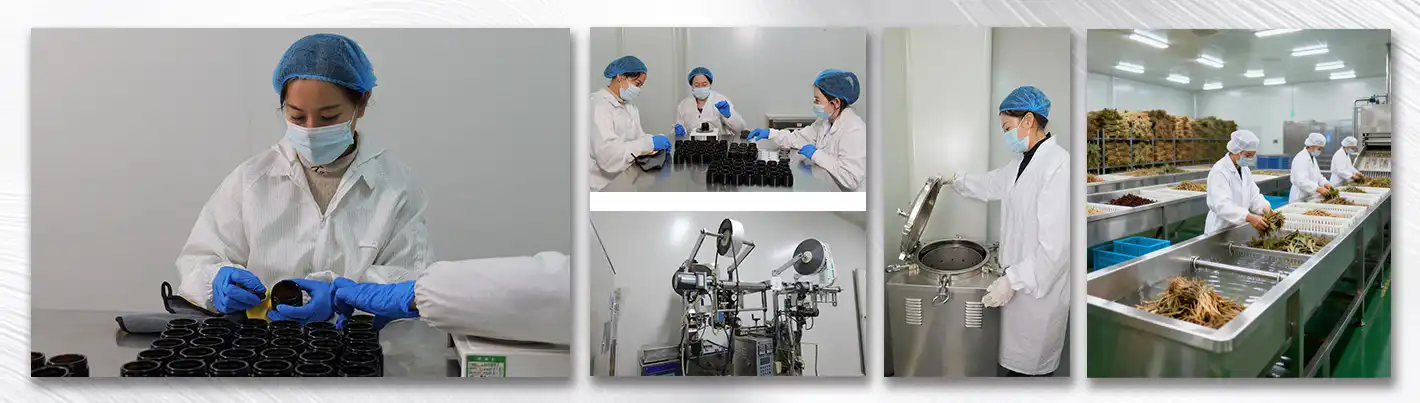
BioSpark makes good Chinese cabbage powder, so you can trust them. To make sure that their 40% polysaccharide powder meets international standards, they use cutting-edge extraction technology and strict quality control. There are ISO9001, GMP, FDA, Kosher, and Halal certifications at our plant extraction center. These make sure that every batch meets the high standards that health supplement brands, nutraceutical companies, and wellness product distributors in North America and around the world expect. If you need OEM or ODM services, you can use them for a wide range of tasks, from small-batch design to mass production. The minimum amount that can be ordered for trying a product is 1 kg. Because we have a lot of stock, we can send it quickly by express, air freight, or sea freight. We also offer a variety of terms, such as FOB, CIF, and DDP, to meet your specific logistics needs. You can get samples, talk about your specific formulation needs, or find out how our full-process support can help you make your supply chain more stable and improve quality by emailing leao@biosparkcn.com.
References
1. Chen, W., & Zhang, L. (2021). Polysaccharides from Brassica vegetables: Extraction, characterization, and biological activities. Journal of Functional Foods, 85, 104-118.
2. Liu, H., Wang, Q., & Zhao, M. (2020). Quality evaluation and standardization methods for vegetable powder ingredients in nutraceutical applications. Food Science and Technology International, 26(4), 315-329.
3. Anderson, K. J., & Martinez, R. (2022). Best practices in bulk procurement of botanical ingredients for dietary supplements. Nutritional Supplement Manufacturing Quarterly, 18(2), 45-62.
4. Zhang, Y., Kim, S., & Park, J. (2021). Comparative analysis of bioactive compounds in processed versus fresh Brassica vegetables. International Journal of Food Science and Nutrition, 72(3), 387-401.
5. Thompson, D. L., & Richards, P. (2023). Supplier evaluation criteria and quality assurance protocols in international ingredient sourcing. Global Supply Chain Management Review, 15(1), 78-94.
6. Wu, X., Package, F., & Wang, X. (2022). Stability and storage optimization of polysaccharide-rich vegetable powders for industrial applications. Food Chemistry, 368, 130-142.

Send Inquiry
Related Industry Knowledge
- What are the key benefits of angelica sinensis extract powder for daily use?
- How Does Liquorice Extract Powder Brighten Skin Naturally?
- What makes nature artichoke extract a premium herbal supplement?
- Baicalin Extract Benefits: Is It a Powerful Natural Antioxidant?
- Miltiorrhiza Root Extract Powder Uses: What Is It Good For?
- Can Yellow Peach Powder Add Natural Color to Beverages?
- Saffron Extract Powder 10:1: Science-Backed Benefits Explained
- Bulk Ilex Leaf Extract Supplier for Industry Use
- Is Spirulina Extract Tablet Effective for Weight Support?
- Yacon Root Extract: Natural Sweetener With Low Glycemic Index