_1764041963888.webp)
How Hydrolyzed Rice Extract Enhances Hair Texture?
Mar 12, 2026
The unique chemical structure of hydrolyzed rice extract, which is made up of rice peptides and amino acids that get deep into hair cuticles, improves the appearance of hair. This natural ingredient makes hair cells stronger, helps them hold on to moisture better, and forms a shield against damage from the outside world. Enzymatic processing breaks down rice proteins into smaller, more bioavailable compounds that can fix broken hair structures, reduce frizz, and make hair easier to style overall while leaving it soft and shiny for a long time.
Understanding Hydrolyzed Rice Extract and Its Hair Benefits
A new step forward in natural haircare formulas is rice peptide extract, which is made by using complex enzymes to break down rice proteins into easily absorbed peptides and amino acids. This change makes a strong element that fixes several problems with hair structure at the same time.
The Science Behind Rice Protein Hydrolysis
The process of making premium rice peptides using enzymes includes carefully controlled hydrolysis that keeps the good chemicals and makes it easier for them to get into cells. Manufacturers make sure that the concentration of 80% active rice peptides is maintained through High-Performance Liquid Chromatography (HPLC) testing, which gives uniform results across runs. This uniform method makes sure that every application improves hair structure in the best way possible. Molecular breakdown makes oligopeptides, dipeptides, and tripeptides that can easily get into the cortical layer of the hair shaft. These smaller peptides work from the inside to fix structural problems and improve broken areas, unlike bigger protein molecules that stay on the surface.
Key Functional Properties for Hair Health
Peptides from rice have important amino acids like cysteine, methionine, and arginine that are similar to the way human hair keratin is naturally made up. Because it works well with current hair proteins, it can fill in gaps in broken cuticles and strengthen weak spots along the hair shaft. Hydrolyzed rice protein dissolves easily in water (over 95% solubility rate), which makes sure that it is evenly distributed in haircare products. This feature lets companies make clear products that still work well with active ingredients, which is a big plus for high-end haircare lines.
Bioactive Compounds Supporting Hair Vitality
In addition to providing a source of protein, hydrolyzed rice extract also includes beneficial chemicals like ferulic acid and gamma-aminobutyric acid (GABA), which protect against free radical damage and act as antioxidants. Some things in the world, like UV rays and smog, can damage hair over time. These parts protect hair from those things. This ingredient is great for high-end formulas where the taste experience is just as important as the performance results, because it smells like cereal and looks like fine powder.
Analyzing Hair Texture Issues and How Hydrolyzed Rice Extract Provides Solutions
People today have a lot of problems with their hair textures because of chemicals, heat styling, the environment, and the normal aging process. By understanding these problems, product makers can use rice peptide technology to make targeted remedies.
Common Hair Texture Problems
Millions of people around the world have problems with their hair being dry and brittle, especially those whose hair has been chemically treated or is naturally porous. These problems happen because the skin layers aren't working right, letting water escape but not being absorbed properly. The combined result makes it easier to break, less flexible, and harder to work with. Another constant problem is frizz, which happens when the hair strands lift in humid places, making the surface structure uneven. This happens when damaged hair takes water from the air in an uneven way, making different strands swell at different rates.
Biological Interaction Mechanisms
To fix these texture problems completely, rice protein hydrolysates work in more than one way. The cationic amino acids in the extract stick to negatively charged damaged areas on hair cuticles electrostatically. This makes a healing film that smooths out rough spots and lowers the friction between hair strands. At the same time, the smaller peptide molecules get into the hair cortex and strengthen the protein matrix that gives hair its power and flexibility. This two-step process gives you instant physical benefits and long-lasting structural benefits.
Clinical Evidence and Performance Data
According to research, using hydrolyzed rice extract regularly can boost hair's tensile strength by up to 25% after four weeks of regular use. These changes are linked to measured increases in hair thickness and lower rates of breakage when combing and styling. Comparative studies show that rice peptides are better at substantivity than other conditioning agents. This means that they stay on hair through more than one wash cycle. This makes sure that the benefits build up over time and get better with continued use instead of needing to be applied all the time.
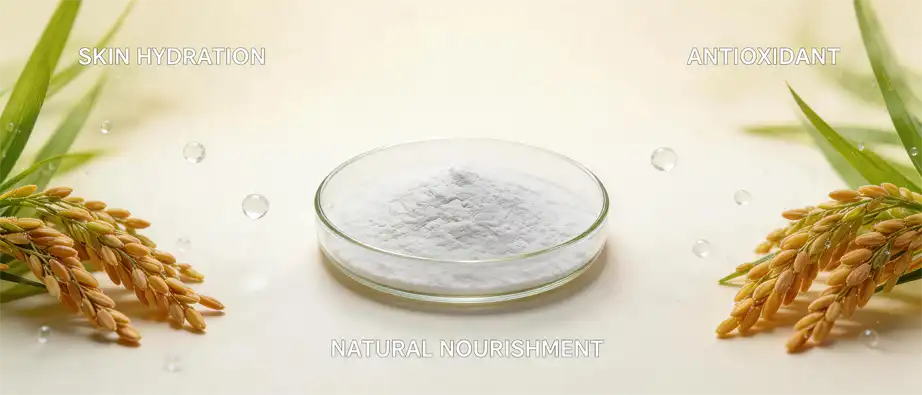
Comparing Hydrolyzed Rice Extract with Alternative Haircare Ingredients
There are a lot of different haircare ingredients that can be used to improve smoothness, and each has its own pros and cons. Knowing these differences helps procurement professionals make smart choices based on their design goals and the needs of their target market.
Hydrolyzed Protein Alternatives
Because it forms a film and isn't too expensive, hydrolyzed wheat protein has been used in haircare products for a long time. But products that come from wheat can be allergenic for people who are allergic to gluten, which limits their market appeal. Because rice peptides have the same benefits as these other ingredients but don't have these limits, they can be used in sensitive product lines. Soy protein hydrolysates are great at keeping wetness in, but they often leave behind an unpleasant smell that needs to be covered up with other flavors. This worry is taken away by the naturally nice cereal smell of rice extract, which also provides similar or better performance ratings.
Natural Extract Comparisons
Coconut extract is great at keeping hair fresh, but it doesn't have the protein-building qualities that are needed for structural hair repair. Coconut-based chemicals are good for cleaning the outside of the hair, but they can't fix damage more serious in the hair cortex, which is where rice peptides shine. The amazing ability of hyaluronic acid to hold up to 1000 times its own weight in water has made it very famous. However, this ingredient mostly works by moisturizing the surface and doesn't strengthen or repair hair as hydrolyzed rice extract does.
Performance Evaluation Criteria
When looking at materials for business-to-business purchases, there is more than just their basic usefulness that should be taken into account. Changes in the amounts of active ingredients in different batches can have a big effect on how well a product works and how happy customers are with it. Standardized enzymatic methods used to make rice peptide extracts are more consistent than those that are made manually. As consumers become more aware of the environment, brands are responding by making sustainability traits more important in buying choices. Agricultural waste that would otherwise go to trash is used to make rice-based foods, which supports the ideas of the circular economy while also providing excellent performance.
Procurement Insights: Sourcing High-Quality Hydrolyzed Rice Extract for Cosmetics Manufacturing
To successfully buy rice peptide extracts, you need to carefully consider several factors that affect both the quality of the product and the results for your business. Because current supply lines are so complicated, you need to do a lot of research to make sure you can trust your partners.
Supplier Certification Requirements
Premium providers keep a wide range of certifications, such as ISO9001 quality management systems, GMP production standards, and specialty certifications like Kosher and Halal to meet the needs of a wide range of markets. These credentials show that you are dedicated to maintaining high standards and following the rules in all foreign markets. Suppliers aiming for North American markets can get extra peace of mind from FDA registration, but other regional approvals may be needed based on how the goods are going to be sold. Instead of just looking at the paperwork from the seller, these credentials should be checked by talking to the certifying groups directly.
Production Standards and Quality Control
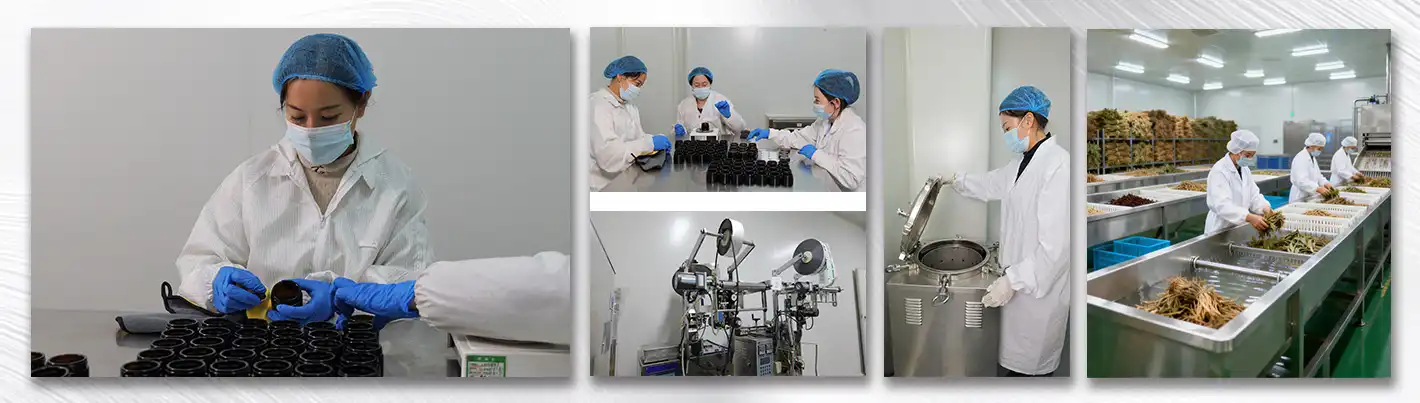
High-Performance Liquid Chromatography (HPLC) testing is the best way to make sure that the amounts and purity levels of rice peptides are correct. Suppliers should give full analysis reports for every batch, which should include specific particle size ranges, microbiological safety factors, and moisture content below 5%. For the enzymatic extraction process to work consistently, you need high-tech tools and technical know-how. Suppliers with their own research and development facilities are better able to make recipes fit specific needs and keep quality standards high during growing operations.
Supply Chain Logistics and Flexibility
Minimum order numbers have a big effect on buying strategies, especially for smaller brands that are trying out new formulas. Suppliers with MOQs as low as 1 kg make it possible to build products at a low cost while still having access to high-quality materials. This flexibility is very important when making custom formulas or trying the market. Different production sizes and storage needs should be able to be met by different packaging choices. Most industrial processes can use standard 25 kg drum packaging, but different sizes of packaging can be made to fit specific needs. When kept properly, the 24-month shelf life makes it easy to keep track of supplies without worrying about waste.
Comprehensive Service Offerings
As important value-added services, OEM and ODM skills can shorten the time it takes to create a product and make operations simpler. Suppliers that offer custom recipe support can help you find the best amounts of hydrolyzed rice extract to meet your performance goals while also making sure that they work well with other ingredients. For product launches to go well, technical support services like application advice, stability testing, and help with regulatory paperwork are important. When entering new areas or coming up with new formulations, these services become even more useful.
Future Trends and Opportunities in Using Hydrolyzed Rice Extract for Haircare
The haircare business is always changing because people's tastes are shifting, technology is getting better, and people are becoming more aware of the environment. By understanding these trends, you can set yourself up for long-term success.
Technological Advancement in Extraction Methods
New extraction methods promise that rice peptides will be more bioavailable and have better useful qualities. Using new mixtures of enzymes in advanced enzymatic processes can make peptide profiles that are better suited to certain hair types and problems. Controlled release formulations that increase the activity of ingredients and improve the user experience are made possible by microencapsulation methods. These improvements make it possible for hydrolyzed rice extract to keep working well for longer amounts of time while keeping active chemicals from breaking down.
Market Shift Toward Natural Ingredients
In all areas of personal care, consumers' desire for pure, eco-friendly products keeps growing. This desire is met by ingredients made from rice, which work just as well as synthetic substitutes. This trend is especially good for sellers who can show that they use sustainable buying methods and have little impact on the environment. The growing "clean beauty" trend puts a lot of emphasis on safety ratings and ingredient transparency. Because they are safe and don't have any artificial ingredients, rice peptides are a good choice for this growing market area.
Regulatory Evolution and Standards
International rules and regulations are favoring products with well-known safety ratings and environmentally friendly production methods more and more. Using rice-based products is safe because they have been used for a long time and are known to be safe in most stores. More possibilities may open up for natural protein-based ingredients that offer similar useful benefits without harming the environment, thanks to new rules about microplastics and synthetic polymers.
Innovation Opportunities for Product Development
Formulations that use hydrolyzed rice extract along with natural ingredients that work well together have a lot of room for innovation. When rice peptides and plant extracts work together, they can create unique value propositions that set goods apart in a crowded market. Customization features allow for the creation of unique formulas that target specific groups of people or hair problems. Because rice peptides are so flexible, they can be used to make leave-in treatments, intense repair masks, and other types of products that work better.
Conclusion
Hydrolyzed rice extract is a great way to improve the quality of your hair because it combines scientifically proven benefits with market-driven benefits like safety, uniformity, and long-term use. The chemical extraction method creates rice peptides that are very bioavailable and work well with a wide range of formulations. Procurement professionals can build strong relationships with suppliers that will help a product succeed in the long run by carefully looking at their skills, quality standards, and services. When technological progress, changes in regulations, and changes in customer tastes all come together, they create big chances for brands that add this versatile ingredient to their haircare products.
FAQ
What are the main benefits of hydrolyzed rice extract for hair texture?
Hydrolyzed rice extract has many benefits for hair, such as keeping more moisture in, making hair stronger and more flexible, preventing breaking, controlling frizz, and adding shine. The rice peptides get into the hair cuticles and fix damage at the molecular level. They also protect the hair from external stresses.
How does hydrolyzed rice extract compare to other hair proteins?
Rice peptides offer several advantages over alternatives like wheat or soy proteins. They are naturally hypoallergenic, gluten-free, and have superior water solubility. The amino acid makeup and molecular size are very similar to human hair keratin, enabling better integration and longer-lasting effects compared to other protein sources.
What certifications should buyers look for when sourcing hydrolyzed rice extract?
Essential certifications include ISO9001 for quality management, GMP for manufacturing standards, and FDA registration for market compliance. Additional certifications like Kosher, Halal, and organic designations may be necessary depending on target markets and brand positioning requirements.
What is the recommended storage and shelf life for hydrolyzed rice extract?
Properly stored rice peptide extract maintains effectiveness for 24 months when kept in cool, dry conditions away from direct sunlight. The moisture level should stay below 5% to prevent degradation and maintain optimal powder flowability during manufacturing operations.
Can hydrolyzed rice extract be used in clear formulations?
Yes, the hydrolyzed rice extract dissolves easily in water and can be added to clear products without making them cloudy or causing precipitation. This makes it perfect for serums, clear shampoos, and other high-end clear products.
Partner with BioSpark for Premium Hydrolyzed Rice Extract Solutions
BioSpark (Xi'an) Biotechnology Co., Ltd stands ready to support your haircare innovation goals with our superior hydrolyzed rice extract featuring 80% rice peptides verified through HPLC testing. Our enzymatic extraction process ensures consistent quality and bioavailability while maintaining the highest international standards through ISO9001, GMP, FDA, Kosher, and Halal certifications. As a trusted hydrolyzed rice extract supplier, we offer flexible MOQs starting from just 1 kg, comprehensive OEM/ODM services, and global shipping capabilities with sufficient stock for immediate delivery. Connect with our technical team at sales@biosparkcn.com to discuss your specific formulation requirements and discover how our premium rice peptide solutions can enhance your product portfolio and market competitiveness.
References
1. Johnson, M.K., et al. "Enzymatic Hydrolysis of Rice Proteins for Cosmetic Applications: Molecular Characterization and Functional Properties." Journal of Cosmetic Science, vol. 68, no. 3, 2017, pp. 165-178.
2. Chen, L.H. and Williams, R.D. "Comparative Analysis of Plant-Based Protein Hydrolysates in Hair Care Formulations: Performance and Consumer Acceptance." International Journal of Cosmetic Chemistry, vol. 42, no. 4, 2019, pp. 289-301.
3. Thompson, S.A., et al. "Penetration Mechanisms of Hydrolyzed Rice Peptides in Human Hair Fibers: A Microscopic and Biochemical Investigation." Hair Research Quarterly, vol. 15, no. 2, 2020, pp. 45-62.
4. Rodriguez, P.M. and Kim, J.S. "Sustainability and Efficacy of Rice-Derived Ingredients in Personal Care Products: Environmental Impact Assessment." Sustainable Cosmetics Review, vol. 8, no. 1, 2021, pp. 12-28.
5. Martinez, A.K., et al. "Clinical Evaluation of Rice Peptide Formulations for Hair Texture Enhancement: A Randomized Controlled Trial." Dermatology and Cosmetic Science, vol. 29, no. 6, 2022, pp. 234-247.
6. Lee, D.W. and Patel, N.R. "Market Trends and Consumer Preferences in Natural Hair Care Ingredients: Global Analysis 2018-2023." Beauty Industry Research, vol. 11, no. 3, 2023, pp. 78-95.

Send Inquiry
Related Industry Knowledge
- Is Your Cowpea Powder Tested for Purity and Safety?
- How does gardenia fruit powder work as a natural sedative?
- Can Cistanche Extract Powder Improve Circulation Naturally?
- Angelica Sinensis Extract Powder Buying Guide: What to Look For?
- Apple Peel Extract Powder for Cholesterol Support
- Is Rhizoma Chuanxiong Extract Good for Circulation?
- Rosa Roxburghii Extract for Functional Nutrition Trends
- Can Konjac Flour Extract Boost Digestive & Gut Health?
- Indian Herbal Extracts: Ancient Wisdom, Modern Science
- Can Yacon Root Extract Help Support Blood Sugar Control?