_1764041963888.webp)
Gardenia fruit powder Manufacturer for Global B2B Buyers
Jul 30, 2026
Finding a trusted gardenia fruit powder manufacturer is crucial for health supplement brands, nutraceutical companies, and distributors seeking high-quality botanical extracts. This versatile plant-based ingredient, standardized to 10% geniposide content, offers extensive applications across dietary supplements, natural food colorants, cosmetics, and traditional medicine formulations. Selecting the right manufacturing partner ensures consistent product quality, regulatory compliance, and reliable global supply chain management that supports your business growth and customer satisfaction.
Understanding Gardenia Fruit Powder: Key Insights for B2B Buyers
Botanical Origins and Processing Methods
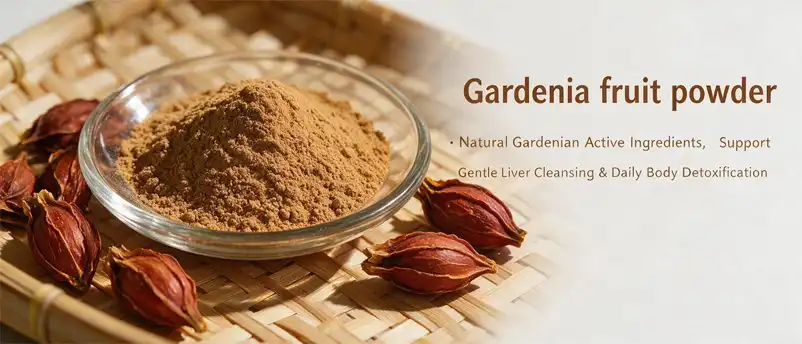
Gardenia extract comes from Gardenia jasminoides, a plant in the Rubiaceae family that has been used for a long time in traditional medicine. Advanced plant extraction methods are used on the fully ripe fruits to keep the beneficial chemicals intact. The process starts with carefully gathering the materials, then they are cleaned, dried, and carefully extracted using methods that ensure the safety of the iridoid chemicals. The result is a fine, brownish-yellow to reddish-brown powder that smells like gardenia fruit and can be used in many commercial settings. High-Performance Liquid Chromatography (HPLC) tests are used by manufacturers to make sure that each batch meets the 10% gardenoside requirement. This keeps things consistent across large production runs.
Rich Nutritional Profile and Bioactive Compounds
The concentrated beneficial parts of the gardenia plant extract are what make it healthy. Geniposide is the main active agent. Genipin, crocetin, chlorogenic acid, and ursolic acid are also present. These iridoid compounds have antioxidant properties that help several health-focused formulations. Flavonoids in the powder make its health benefits even better, which makes it appealing to supplement makers who want to make products that help the liver, reduce inflammation, and protect neurons. The powder dissolves easily in water and stays stable across a range of pH levels, making it easy to add to drinks, capsules, and blended formulas without losing its effectiveness.
Versatile Applications Across Multiple Industries
The wide range of uses for Gardenia fruit powder is appreciated by people who work in procurement. It works with heat-clearing formulas, liver support products, and antioxidant blends in functional foods and dietary supplements. When mixed with drinks, the powder dissolves quickly and works perfectly in capsules. As a natural food colourant, it can be used instead of manufactured dyes in baked goods, sweets, dairy products, and drinks, which is what consumers who want clean labels want. For its natural colouring and vitamin properties, cosmetic companies use it in their makeup and skin care products. Traditional medicinal recipes are based on hundreds of years of recorded use, which means they are reliable. Textile colouring shows how versatile it is by being used in the food, medicinal, and everyday chemical industries.
How to Choose the Right Gardenia Fruit Powder Manufacturer: B2B Decision-Making Criteria
Defining Key Procurement Needs and Quality Standards
Getting clear on your exact procurement needs is the first step to choosing the right supplier. Whether you need organic approvals or regular grades, the purity standards you use must match the needs of the product you're making. GMP compliance means that factories follow strict rules for making products, which lowers the risk of contamination and ensures that each batch is the same. Kosher and Halal certifications help goods that are aimed at certain groups of people reach a wider audience, while ISO9001 recognition shows dedication to quality management systems. FDA registration gives North American markets even more security. Buyers should ask for a lot of paperwork, like a Certificate of Analysis (COA), records on 400 or more pesticide residues, and heavy metal test results showing that arsenic levels are less than 0.5 mg/kg and lead levels are less than 1.0 mg/kg using ICP-MS.
Comparing Product Types and Grades
When you know the differences between the different types of a product, you can do a cost-benefit study that fits your needs. People who care about their health and are ready to pay more for approved organic ingredients like organic Gardenia fruit powder. Regular grades have reasonable prices and meet quality standards, so they can be used in a wide range of situations. Pure powders have concentrated bioactives and no fillers, making them perfect for formulations that need to be strong. On the other hand, blended products may contain carriers or botanicals that work well with specific functional properties. Solvent residue analysis makes sure that ethanol- or water-based extraction leftovers stay well below USP/EP limits. This protects product safety and makes sure that regulations are followed. Fingerprint chromatography checks to see if the gardenia content is real and finds fake yellow colours when it's present.
Evaluating Supplier Credentials and Transparency
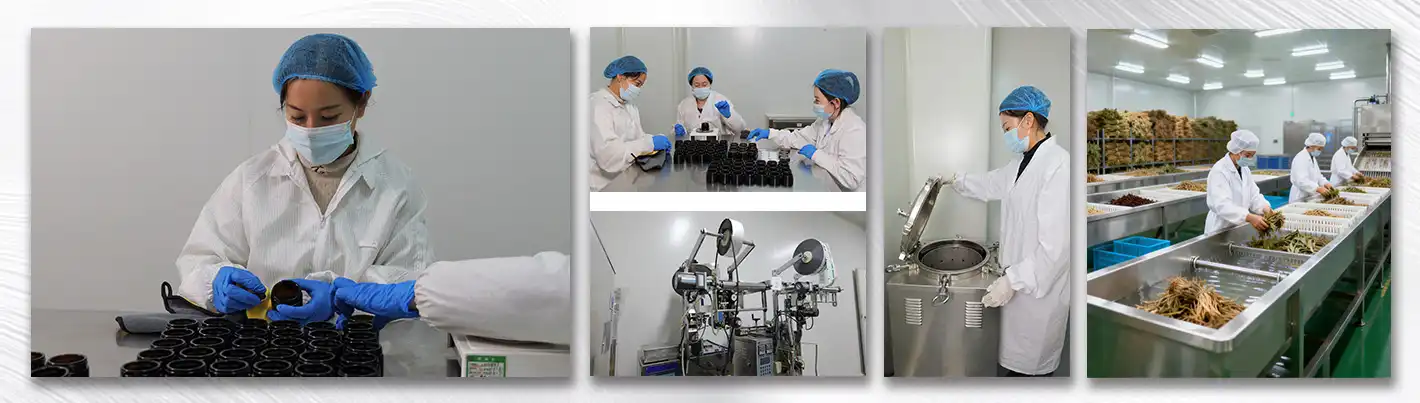
A thorough evaluation of suppliers lowers the risks of procurement and builds the basis for a long-term partnership. Certifications are a basic way to make sure of quality, but factory audits show how things really work. You can ask for virtual or in-person walks of the building to look at the work areas, how the equipment is maintained, and how the staff is trained. Transparent sourcing practices show that a seller is honest; ask about the origins of raw materials, how they are grown, and how they can be tracked. Prices should be based on how the market really works, and there should be discounts for large orders to encourage people to commit to bigger deals. When planning logistics, things to think about include things like 25 kg drums for packing, flexible delivery terms like FOB, CIF, CFR, EXW, DAP, and DDP, and different shipping choices like express, air freight, and sea freight. Payment terms usually favour bank transfer (T/T), but if you have a history with the person, you may be able to make more open plans.
Bulk Procurement Guide: Securing Gardenia Fruit Powder for Global Markets
Strategic Sourcing Channels for Professional Buyers
To find reliable wholesale distributors, you need to do more than just general retail research. Botanical extracts B2B marketplaces pair verified manufacturers with buyers around the world by providing ratings for suppliers, transaction histories, and tools for communication. Industry trade shows are great places to meet people in person and make connections. You can look at examples, talk about customisation options, and arrange terms directly with people who make decisions. Professional groups and trade magazines have source directories that list makers with a history of reliability. When you work directly with a maker, you avoid the markups that come from middlemen and can work together more closely on product development. When looking at possible partners, give more weight to those that offer OEM and ODM services. This will allow you to use private labelling and custom formulas to make your products stand out.
Negotiating Terms That Support Supply Chain Stability
Managing costs and making sure there is enough supply is balanced by good bargaining. Different manufacturers have different minimum order amounts. Some will take orders as low as 1 kg for testing purposes, while others need bigger pledges. Setting up good MOQ terms gives you options during product launches or changes in seasonal demand. Payment terms should protect both parties. A T/T with part payment in advance and the balance due upon delivery is a fair way to spread risk. Your production plans and delivery schedules must match up, taking into account wait times for manufacturing, quality testing, and shipping. Manufacturers who keep enough stock on hand guarantee fast delivery when pressing restocking needs arise. To avoid confusion, make sure that contracts have clear language for "force majeure" clauses, quality conflict settlement processes, and shelf-life guarantees.
Quality Assurance Protocols for Consistent Product Performance
Using strict quality control measures protects the safety of your customers and the reputation of your brand. Sharing clear specifications with your supplier is the first step in collaborative quality management. These specifications should include the amount of active ingredient, the purity levels, and the acceptable ranges for microbiological counts. The total plate count should stay below 1000 cfu/g, and E. coli should not be present. Salmonella and E. coli. Ask a third-party lab to test important shipments and check the HPLC results on your own. Keep some files from each batch so that you can look back at them if you have worries about the quality. Set up regular ways for people to talk to each other about quality changes, process improvements, and problem-solving before they happen. Companies that care about being open and honest will gladly share their production records and let customers check them out. This shows that they have faith in their quality systems and Gardenia fruit powder.
Gardenia Fruit Powder vs Other Herbal Powders: Making an Informed Choice
Comparative Analysis with Turmeric and Other Botanicals
To place gardenia extract in your product line, you need to know how it stacks up against other herbal ingredients that are already popular. Standardised turmeric powder, which is high in curcumin, is the most popular anti-inflammatory product on the market, and a lot of clinical studies back up claims that it works. Gardenia has benefits that work together in different ways. For example, geniposide helps the liver work and the gallbladder release bile. Turmeric is still in high demand in the market, but gardenia can help brands stand out by adding something new that has traditional support. The adaptogenic and stress-relieving properties of ashwagandha powder are used in different ways, and the heat-clearing properties of gardenia are good for some people. Ginger extract is used to help with digestive health, which opens the door to synergistic blends that combine different plants. There are big differences in where lavender is priced. Compared to expensive products like saffron, it's usually in the middle, but it's more expensive than common flowers.
Performance Across Different Product Formats
Formulation flexibility tells you which ingredients will work best for your product lines. Gardenia fruit powder works great in ready-to-mix beverage powders because it dissolves quickly in water and has a nice flavour. Encapsulated vitamins are stable and contain concentrated bioactives, which lets you give the right amount without worrying about oxidation. Gardenia is used in tea mixes for its colour, scent, and health benefits, making them appealing to people who want to use traditional methods to stay healthy. For soft-gel forms, it's important to carefully look at how ethanol dissolves. Both colourant and antioxidant qualities are used in makeup that is put on the skin. These days, people like to buy products with clear labels and well-known names. This makes Gardenia jasminoides powder better than synthetic alternatives. Standardisation, shelf stability, and regulatory compliance are important industrial requirements. This is where quality manufacturers consistently perform.
Building Trust with Your Gardenia Fruit Powder Supplier
Identifying Top Manufacturers in the Global Marketplace
Forming relationships with trustworthy makers speeds up the process of making new products and getting them on the market. Leading providers stand out by having a wide range of certificates, such as ISO9001, GMP, Kosher, Halal, and FDA registration. Flexibility in production capacity allows for both small-batch customisation and large-scale sales, which helps businesses at all stages of growth. Transparency goes beyond licenses and includes being ready to share information about how to extract materials, where to get raw materials, and how to check the quality of the products. Manufacturers that offer OEM and ODM services help with everything, from coming up with new formulas to designing packages and filing regulatory paperwork. Geographical factors are important. Most of the world's supply comes from Chinese manufacturers because they are close to raw materials and already have a processing infrastructure in place. However, buyers should always check that products meet international standards, no matter where they come from.
Leveraging Testimonials and Third-Party Validation
When looking at new suppliers, third-party validation lowers the risks that are thought to be there. Customer reviews show how responsive the contact is, how problems are solved, and how reliable the delivery is. Ask for names from clients who work in related fields and have had similar problems with procurement. Online reviews on B2B sites give buyers an unbiased view, but they should be able to tell the difference between isolated events and systemic problems. Awards or certifications from trade groups that are recognised by the industry show that the market respects the company. Accreditations from groups like ISO17025 show that lab tests are accurate. Long-term ties with clients show that the provider is stable and provides consistent service. Committed partners are different from transactional sellers because they offer clear after-sales support, such as expert advice, formulation help, and complaint handling.
Strategic Partnerships for Sustainable Growth
Innovation potential is unlocked when relationships are transformed from commercial to strategic. Through collaborative research and development, you can make extracts that are exactly what you need for your uses. This gives you a competitive edge that is hard for your competitors to copy. Co-branding lets you share marketing costs, which helps you reach more customers. Consumers who care about the environment will support corporate social responsibility efforts that are based on ethical and sustainable sourcing. Suppliers who put money into fair labour standards, sustainable farming methods, and environmental protection show that they think about the long term, which is in line with good business practices. Regular reviews of the business, joint planning sessions, and open communication help build trust that can withstand changes in the market. Partnering with makers that can help with the whole process—from idea to formulation, production, packing, and delivery—saves time and makes it easier to get new goods to market with high-quality Gardenia fruit powder.
Conclusion
To choose the best Gardenia fruit powder maker, you need to think about quality control, following the rules, and the dependability of the supply chain. The best partner gives standardised extracts that have been tested using HPLC, keeps all of their certifications up to date, such as ISO9001 and GMP, and can produce anything from small amounts to large orders. Manufacturers that can support long-term business growth stand out by using open sourcing, strict quality control, and collaborative methods in product creation. Global business-to-business buyers should look at more than one supplier, inspect factories, and set clear quality standards before deciding on a partnership. Gardenia jasminoides extract can be used in food supplements, natural colourants, cosmetics, and traditional formulas. This makes it a useful addition to a wide range of product lines that serve health-conscious customers all over the world.
FAQ
1. What are the recommended industrial dosages for gardenia botanical extract?
Dosage suggestions for industry depend on the purpose and quantity. Dietary pills usually have between 100 mg and 500 mg of standardised extract per dose, but this depends on the health benefits they're supposed to provide and government rules. Natural food colourants only need small amounts—usually between 0.1 and 0.5 percent of the total weight of the product—to give it the yellow colour you want. For antioxidant benefits without changing the texture of the product, cosmetic formulas usually have a concentration of 0.5 to 3%. Buyers should talk to formulators and look at local rules about how to use plant ingredients.
2. How can I make sure that new sellers are real and supply good quality goods?
Ask for a lot of paperwork, like a certificate of analysis (COA), HPLC chromatograms, screening for pesticide residue, heavy metal testing, and microbiological reports. Get samples to be analysed by a third-party laboratory to make sure that the specs match what the supplier says they are. Do workplace surveys or ask for virtual walks of the facilities to check out how they're run. Instead of depending only on the certificates that are given, check licenses directly with the organisations that issued them. Before making big promises, start with small test orders to see how well the product works, how quickly you can get in touch, and how reliable your deliveries are.
Partner with BioSpark: Your Trusted Gardenia Extract Supplier
BioSpark (Xi'an) Biotechnology Co., Ltd is ready to help you meet your needs for botanical ingredients. They have high-quality Gardenia fruit powder that meets international standards. Our high-tech plant extraction facilities make standardised extracts with 10% gardenoside that have been tested and proven to be safe by HPLC. These extracts are backed by ISO9001, GMP, Kosher, Halal, and FDA certifications. For trial orders, our MOQ is as low as 1 kg, and we offer OEM and ODM services for special formulations. We also offer a wide range of shipping choices, such as FOB, CIF, and DDP terms. Having enough stock means that goods can be sent quickly and safely to markets in North America, Europe, and other places around the world. Get in touch with our knowledgeable staff at leao@biosparkcn.com to talk about your needs for large purchases, custom product development, and strategic relationships that will help your supplement, food, or cosmetic product lines become more innovative.
References
1. Zhang, Y., & Wang, X. (2021). "Quality Control and Standardization of Gardenia jasminoides Extract in Herbal Medicine." Journal of Pharmaceutical Analysis, 11(4), 456-463.
2. Chen, L., Liu, H., & Wu, D. (2020). "Bioactive Compounds and Health Benefits of Gardenia Fruit: A Comprehensive Review." Phytotherapy Research, 34(8), 1842-1857.
3. International Trade Centre (2022). "Global Market Analysis for Plant-Based Extracts in Nutraceutical Industries." ITC Technical Paper Series, Geneva.
4. Rodriguez, M., & Thompson, K. (2023). "B2B Procurement Strategies for Botanical Ingredients: Best Practices for Quality Assurance." Supply Chain Management Review, 27(2), 34-41.
5. Kim, S.H., Park, J.Y., & Lee, M.K. (2021). "Comparative Analysis of Herbal Extract Standardization Methods Using HPLC Technology." Journal of Natural Products, 84(6), 1721-1729.
6. World Health Organization (2020). "Quality Control Methods for Herbal Materials: Updated Guidelines for International Trade." WHO Technical Report Series No. 1023, Geneva.

Send Inquiry
Related Industry Knowledge
- Maqui Berry Powder for Eye Health: Dry Eye & Retinal Protection
- Coconut Milk Extract Powder: The Ultimate Plant-Based Dairy Swap
- Maqui Berry Powder for Eye Health: Dry Eye & Retinal Protection
- Coconut Milk Extract Powder: The Ultimate Plant-Based Dairy Swap
- Coconut Milk Extract Powder: The Ultimate Plant-Based Dairy Swap
- Maqui Berry Powder for Eye Health: Dry Eye & Retinal Protection
- Maqui Berry Powder for Eye Health: Dry Eye & Retinal Protection
- Coconut Milk Extract Powder: The Ultimate Plant-Based Dairy Swap
- Maqui Berry Powder for Eye Health: Dry Eye & Retinal Protection
- Coconut Milk Extract Powder: The Ultimate Plant-Based Dairy Swap
- Maqui Berry Powder for Eye Health: Dry Eye & Retinal Protection
- Coconut Milk Extract Powder: The Ultimate Plant-Based Dairy Swap
- Maqui Berry Powder for Eye Health: Dry Eye & Retinal Protection
- Coconut Milk Extract Powder: The Ultimate Plant-Based Dairy Swap
- Maqui Berry Powder for Eye Health: Dry Eye & Retinal Protection
- Coconut Milk Extract Powder: The Ultimate Plant-Based Dairy Swap
- Maqui Berry Powder for Eye Health: Dry Eye & Retinal Protection
- Coconut Milk Extract Powder: The Ultimate Plant-Based Dairy Swap
- Maqui Berry Powder for Eye Health: Dry Eye & Retinal Protection
- Can white willow bark extract powder support arthritis discomfort relief?
- Can Broccoli Extract Powder Support Detox and Liver Health?
- How Does Barley Sprout Flour Support Healthy Baking Trends?
- How Does Chinese Cabbage Powder Benefit Product Developers?
- Natural Artichoke Extract: Science-Backed Health Benefits
- Angelica Sinensis Extract Powder Buying Guide: What to Look For?
- Apple Peel Extract Powder for Cholesterol Support