_1764041963888.webp)
Does papaya leaf extract powder help support healthy blood function?
Jul 05, 2026
Papaya leaf extract powder has a lot of ability to help the blood work well. This plant extract comes from the leaves of the Carica papaya plant and has beneficial substances like flavonoids, alkaloids (like carpaine), and proteolytic enzymes that work together to help make platelets and protect blood cells from damage caused by free radicals. Platelet numbers have gone up in clinical studies, especially in people with dengue fever, and the antioxidant makeup of the extract helps keep circulation healthy. Even though more study needs to be done, this extract is already being used traditionally and there is new scientific proof that supports its use in products that aim to improve blood health and immune function.
Understanding Papaya Leaf Extract Powder and Its Role in Blood Health
Formulators looking for natural options to synthetic chemicals are paying a lot of attention to the link between plant extracts and blood health. Papaya leaf extract powder, a concentrated powder made from Carica papaya leaves picked in pure areas of Hainan and Southeast Asia, is at the center of this interest.
What Makes This Extract Unique for Blood Support
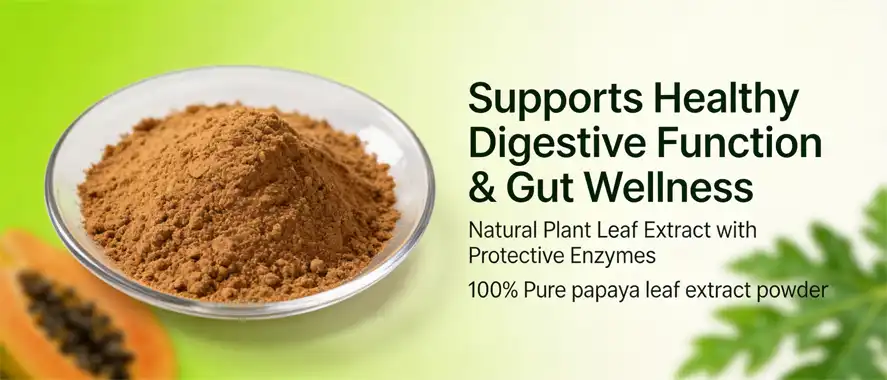
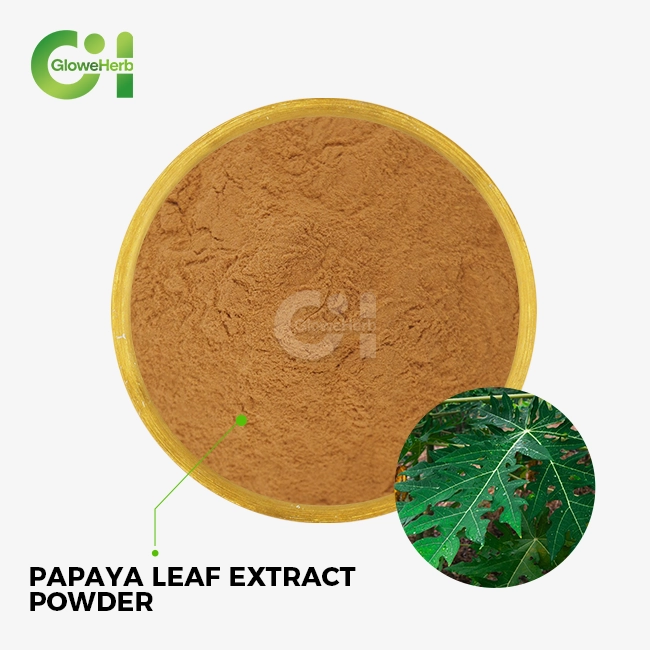
Advanced extraction methods are used to turn this brownish-yellow powder into a concentrated form of beneficial chemicals that have been used in traditional medicine for hundreds of years. Five to fifteen per cent of the extract is made up of papain enzymes, eight to twenty percent is flavonoids like quercetin and kaempferol, and five to two percent is alkaloids like carpaine. The chemicals in this mixture work together in several ways. They protect red blood cells from oxidative stress, help the body make platelets naturally, and improve circulation by making blood vessels healthier. Excellent solubility and bioavailability are ensured by the fine mesh size of 80–100. These are important factors to consider when making supplements that consistently work.
Key Bioactive Components That Support Blood Function
The extract works because it has a complicated makeup of phytochemicals. Flavonoids have ORAC values between 10,000 and 15,000 μmol TE/g, which means they are very good at fighting free radicals that hurt blood cells. It has been shown that alkaloids, especially carpaine and pseudocarpaine, can help the heart. Phenolic compounds (15–30% of the total) help the body's antioxidant defences and support good inflammatory reactions. Additionally, vitamins C (3–8%) and E (1-3%) help protect blood cells even more, and minerals like potassium (2.0–3.5%) help keep blood pressure in check. This detailed nutritional grid shows why purchasing professionals are asking for this ingredient more and more in blood health products.
How Blood Health Relates to Overall Wellness
Platelet numbers are only one part of healthy blood flow. Blood moves air, nutrients, hormones, and immune cells around the body and gets rid of trash. When blood quality goes down, whether because of low platelet numbers, damaged red blood cells, or bad circulation, general health goes down. The immune-modulating effects of papaya leaf extract, shown by higher natural killer cell activity by 30 to 50 percent, support this bigger picture of health. Polysaccharides (5–12%) with molecular weights between 10 and 50 kDa help keep the immune system in balance, which has a direct effect on the quality of the blood. Knowing how these things are connected helps business-to-business buyers place their goods well in competitive markets that are centred on complete health solutions.
Scientific Evidence on Papaya Leaf Extract Powder for Healthy Blood Function
There is scientific proof that papaya leaf extract powder can help your blood work well. Through controlled studies and clinical findings, scientists have more and more confirmed the traditional uses of papaya leaf extract. This body of evidence gives producers a place to start when they make evidence-based products.
Clinical Research on Platelet Support
Several studies have looked at how papaya leaf extract affects platelet counts, especially in cases of dengue fever where thrombocytopenia (low platelet count) is a major problem. A study in the Asian Pacific Journal of Tropical Biomedicine showed that dengue patients who took papaya leaf juice had significantly higher platelet numbers than those who did not. The suggested way works by increasing the production of megakaryocytes in the bone marrow. Megakaryocytes are the cells that make platelets. Platelet numbers went up within 24 to 48 hours of treatment in another study published in BMC Complementary Medicine and Therapies. Even though these studies were only about short-term situations, they show that the extract can increase haematopoiesis (the making of blood cells), which is useful for formulas that keep blood healthy in general.
Dosage Considerations and Formulation Guidelines
Doses that are suggested change based on the amount of standardisation and the ratio of extraction. In the past, 5 to 10 grams of fresh leaves were used every day, which is about 500 to 1000 mg of 10:1 extract powder. These days, supplements usually have 300 to 600 mg per dose, which is standardised to at least 8% papain and 15% total flavonoids. The extract stays stable at pH levels between 4.0 and 7.0, which means it can be used in capsules, tablets, functional drinks, and powder mixes, among other delivery methods. 0.5 to 2% is a good range for use in functional foods and health teas. These factors make it possible for formulation methods to be flexible while still being effective. Specifications for moisture content (≤5.0%) and ash content (≤10.0%) make sure that the product stays stable while it is being stored and made.
Safety Profile and Risk Management
The extract's long history of traditional use gives people confidence in its safety when used according to the directions. At normal doses, there have been no reports of serious side effects in clinical research. Mild stomach pain can happen at very high amounts, but it usually goes away when the dose is lowered. People who have bleeding disorders or who take blood thinners should be aware of the extract's enzymatic activity, but there are no known problems with taking normal supplement amounts. Testing for heavy metals and microbes is still an important part of quality control. Thin-layer chromatography (TLC) and high-performance liquid chromatography (HPLC) tests are used by reputable makers to make sure that all batches are the same. This is done to make sure that the safety and effectiveness of the products meet international standards, such as the FDA's guidelines for dietary supplements and the EU's Novel Foods rules.
Comparing Papaya Leaf Extract Powder With Other Natural Blood-Supporting Supplements
Knowing where papaya leaf extract powder fits in the bigger picture of plants that support blood flow helps sourcing teams make smart decisions about formulation.
Powder Versus Juice: Concentration and Stability
The oldest way to prepare papaya leaf juice is by pressing the leaves, but this method is very difficult to use in business settings. Juice needs to be kept cold, has a short shelf life (usually three to five days), and the amount of active chemicals in it changes based on how mature the leaves are and how they were processed. The powder form is more stable and has a shelf life of 24 months if kept properly. It also has standardised strength that makes sure that batches are all the same, and it is much easier to ship internationally. The 10:1 extraction ratio means that 10 kg of fresh leaves make 1 kg of concentrated powder. This saves room and money in the production process. The low wetness level (≤5.0%) of the powder stops microbes from growing and breaks down chemicals that are sensitive, like enzymes and flavonoids.
Organic Certification and Quality Considerations
Organic versions of papaya leaf extract cost more, but they're worth it because they are grown in a way that doesn't leave behind pesticides or manmade fertilisers. Organic certification (USDA, EU Organic, or a similar) gives customers who care about their health peace of mind about the quality of the product. Certified organic farms usually grow plants in controlled settings that make leaves with more regular phytochemical profiles. Organic goods are tested to make sure they don't contain any banned substances, to show that they can be tracked from the farm to the finished product, and to have supply lines inspected by a third party. These quality measures lower the risk for brands and help them stand out in supplement markets that are already very crowded.
Comparison With Other Blood-Supporting Botanicals
There are a lot of different plants that are good for your blood, and each one has its own benefits. Moringa powder has a lot of nutrients, like iron, which is needed to make haemoglobin, but it doesn't have the special chemicals that papaya leaf extract does that help platelets. Both chlorella and spirulina contain chlorophyll and protein, but they work in different ways. Bioavailable minerals in nettle leaf help keep iron levels healthy, but it doesn't have the same enzymes and alkaloids as papaya extract. Beetroot powder raises the production of nitric oxide, which helps blood flow, but it doesn't have a direct effect on platelet numbers. These plants can be combined with papaya leaf extract to make complete formulas that improve many aspects of blood health. This lets formulators make synergistic mixes that reach wider wellness goals and set goods apart in competitive markets.
Procurement Considerations for Buying Papaya Leaf Extract Powder in Bulk
To make sure consistent quality, legal compliance, and business efficiency, strategic procurement of papaya leaf extract powder looks at more than just unit price.
Quality Indicators and Standardisation Requirements
Premium papaya leaf extract powder is different from regular products because it meets certain technical standards. Standardisation to a papain content of at least 8.0% guarantees stomach enzyme activity, and a total flavonoid content of at least 15.0% guarantees antioxidant strength. A total phenol level of at least 20% is another way to measure quality. The mesh size (usually 80–100 mesh) affects how the powder flows during packaging and tablet compression. Testing for solubility makes sure that the extract mixes properly in formulation media, which is especially important for use in drinks. Levels of heavy metals should be found to be well below the standards set by the government: lead <3.0 ppm, arsenic <2.0 ppm, mercury <0.1 ppm, and cadmium <1.0 ppm. Microbiological tests look for bacteria like Salmonella and E. coli, as well as yeast and mould counts and the total number of plates. Certificate of Analysis (COA) paperwork for each batch makes it possible to track and ensure quality.
Supplier Certifications and Compliance Standards
Working with certified providers lowers the risk of legal problems and guarantees the standard of the goods you make. GMP (Good Manufacturing Practice) approval shows that a company follows the rules for making medicines, like keeping the building clean, making sure the machines are working properly, training workers, and following the rules for keeping records. ISO 9001 approval means that a company has quality management systems that always make sure that the goods they sell meet customer requirements. HACCP approval shows that food safety is handled in a planned way. When organic certificates are needed, they need to be checked by a third party. Certifications like Halal and Kosher make it easier for certain groups of customers to buy your products. For target markets, suppliers should give facility audit records, proof of liability insurance, and statements of regulatory compliance. When brands go into the European market, they have to follow Novel Foods rules, and when they go into the U.S. market, they have to follow FDA dietary supplement cGMP rules.
Logistics and Supply Chain Considerations
For normal specs, minimum order numbers (MOQs) are usually between 25 and 100 kilograms. For custom formulations, however, promises may need to be bigger. Lead times range from two to four weeks for stock items to six to eight weeks for special extracts that need to be tested in a certain way. Shipping options include air freight (which is faster but costs more) and sea freight (which is cheaper for bigger amounts). There are different kinds of packaging, such as food-grade plastic bags inside fibre drums (standard 25 kg net weight) or custom packaging for private label uses. Payment terms usually include a 30–50% deposit, with the rest of the payment due before shipment. However, business partners who have worked together before may be able to arrange net 30–60 day terms. When you do business with someone in another country, letters of credit protect your cash. Knowing the Incoterms (FOB, CIF, DDU) makes it clear who is responsible for shipping costs, insurance, and getting goods through customs.
Trusted Papaya Leaf Extract Powder Brands and Suppliers in the Global Market
Building partnerships with dependable manufacturers of papaya leaf extract powder gives you a competitive edge through steady quality, support for new ideas, and quick service.
Evaluating Supplier Reliability and Track Record
Doing your research on suppliers is the first step in choosing one. Look over the company's past, its production capability, and its list of clients. Suppliers that have been in business for 5 to 10 years or more have shown that they can stay in the market. Verifying the supplier's production ability makes sure they can grow with your needs. Facility tours let you see for yourself how clean the facilities are, what equipment is available, and how well the organisation works. Client references can tell you a lot about how well you communicate, solve problems, and make sure you always give what you promise. Independent confirmation of reported skills comes from third-party audits done by groups like SGS, Intertek, or Bureau Veritas. Having technical documentation, educational material, and open contact on your website shows that you are skilled and care about your customers.
Custom Formulation Development and Innovation Support
Leading providers do more than just provide ingredients; they also work with formulators to make new products. Technical support teams help with testing the suitability of ingredients, studying longevity, and finding the best doses. With different extraction ratios (4:1, 10:1, and 20:1), the strength can be changed to fit the needs of each product. Co-development services help brands make their own mixes that set them apart in markets with lots of competition. Pilot batch production lets you test things before committing to full-scale production. Custom packaging, such as private labelling, custom bottle designs, and marketing materials, makes the process of going to market easier. Having access to clinical study data and technical literature helps with government filings and making marketing claims. With these value-added services, ties with suppliers go from being commercial to being strategic partnerships.
Building Long-Term Partnerships for Market Success
Creating long-term partnerships to do well in the market. In the health supplement business, B2B relationships that work need to be committed to both parties and have goals that are matched. Long-term contracts that promise a certain amount of work are often able to get better prices and earlier output schedules. Supply problems can be avoided by being open about market trends, inventory amounts, and capacity limits. Collaborative efforts to improve quality are good for everyone because they lower costs and boost company's image. Market exposure is increased through joint marketing efforts like co-branded educational material and going to trade shows. Regular business reviews look at success data, find ways to make things better, and make sure everyone is on the same page with strategy goals. These types of partnerships give businesses long-term benefits over their competitors that ties with commodity suppliers can't match.
Conclusion
Papaya leaf extract powder has a lot of ability to help blood work well in a number of ways, such as by supporting platelets, protecting blood cells from damage, and improving circulation. This plant extract has been used for hundreds of years and is now supported by more and more scientific proof. It is a valuable ingredient for health supplements that aim to improve blood health, immune function, and general vitality. The technical qualities of the extract, such as its high level of standardisation, high level of stability, and wide range of possible uses, make it perfect for a wide range of product forms, from capsules to functional drinks. Strategic buying based on quality indicators, supplier certifications, and building partnerships makes sure that you always have access to high-quality materials that meet international safety standards. This helps your brand stand out in the growing global wellness market.
FAQ
What dosage of papaya leaf extract powder is recommended for blood health support?
When using a 10:1 extract standardised to ≥8.0% papain and ≥15% total flavonoids, the recommended dose is usually between 300 mg and 600 mg per serve. This is about the same as 3–6 grams of green leaf. In clinical research, different methods have been used. For example, up to 1,100 mg has been given twice a day for short-term conditions. The best dose relies on the ratio of extraction to standardisation, the amount of standardisation, and the purpose of the use. Formulations aimed at overall health usually contain smaller doses (300–400 mg), while those aimed especially at blood health may contain higher doses (500–600 mg). Always look at the whole recipe, including any ingredients that work together to change or improve the results. Talking to regulatory experts makes sure that dose claims are in line with what is needed to support them in target markets.
How long does it take to see effects on blood health from papaya leaf extract?
In people with severe dengue fever, platelet counts went up within 24 to 48 hours, according to clinical findings. However, these dramatic situations are different from general wellness uses. People who use papaya leaf extract to improve their overall blood health usually notice results within one to two weeks of regular use, with the best results occurring over four to eight weeks. The time frame depends on the person's health at the start, their current nutritional state, and their general way of life. Supplement methods usually say that you should try the supplement for at least 30 days before deciding if it works. Manufacturers should teach customers what reasonable standards are and how important it is to use the product regularly instead of expecting results right away.
Can papaya leaf extract powder be combined with other blood-supporting ingredients?
When mixed with other plants and chemicals that work on blood health in different ways, the extract works well. Iron, vitamin B12, and folate all help the body make red blood cells and haemoglobin. Vitamin K helps the blood clot properly. Nitric oxide production is increased by beetroot powder, which is good for circulation. Nettle leaf has minerals that the body can use. When these ingredients are mixed together, they make products that cover a wide range of blood health issues. Formulators should think about possible associations. For example, the enzymatic activity of the extract might affect the intake of some nutrients, but this hasn't been proven in clinical trials. Final recipes are tested for stability to make sure they are compatible and have a long shelf life. Synergistic formulations often do better in the market than single-ingredient goods because they address more health issues.
Partner With BioSpark for Premium Papaya Leaf Extract Solutions
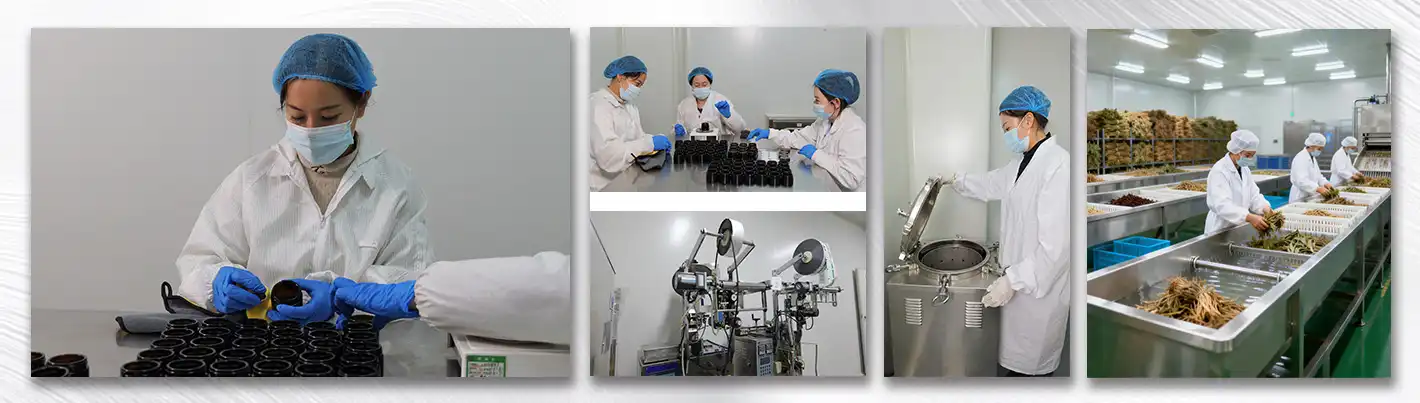
BioSpark (Xi'an) Biotechnology Co., Ltd is ready to help you develop new products by providing you with pharmaceutical-grade papaya leaf extract powder that meets the strictest international standards. Our full OEM and ODM services help with the whole process, from coming up with the right recipe to packing it up and shipping it all over the world. We get the best Carica papaya leaves from approved growing areas, use cutting-edge extraction methods to get uniform 10:1 concentration ratios, and put each batch through strict testing procedures that include TLC and HPLC verification. Our open manufacturing options and dependable supply chain make sure on-time delivery to markets in North America, Europe, and beyond, whether you need small-batch customisation for testing the market or large-scale production for established product lines. Get in touch with our technical team at leao@biosparkcn.com to talk about your unique needs and find out how working with a reliable papaya leaf extract powder provider can help your product become a success faster.
References
1. Ahmad, N., Fazal, H., Abbasi, B. H., Farooq, S., Ali, M., & Khan, M. A. (2011). Biological role of Carica papaya leaf extract in platelet count. Asian Pacific Journal of Tropical Biomedicine, 1(S1), S24-S28.
2. Dharmarathna, S. L., Wickramasinghe, S., Waduge, R. N., Rajapakse, R. P., & Kularatne, S. A. (2013). Does Carica papaya leaf extract increase platelet count? An experimental study in a murine model. Asian Pacific Journal of Tropical Biomedicine, 3(9), 720-724.
3. Nayak, B. S., Pereira, L. P., & Maharaj, D. (2007). Wound healing activity of Carica papaya L. in experimentally induced diabetic rats. Indian Journal of Experimental Biology, 45(8), 739-743.
4. Otsuki, N., Dang, N. H., Kumagai, E., Kondo, A., Iwata, S., & Morimoto, C. (2010). Aqueous extract of Carica papaya leaves exhibits anti-tumour activity and immunomodulatory effects. Journal of Ethnopharmacology, 127(3), 760-767.
5. Subenthiran, S., Choon, T. C., Cheong, K. C., Thayan, R., Teck, M. B., Muniandy, P. K., & Abdullah, N. R. (2013). Carica papaya leaf juice significantly accelerates the rate of increase in platelet count among patients with dengue fever and dengue haemorrhagic fever. Evidence-Based Complementary and Alternative Medicine, 2013, Article ID 616737.
6. Yogiraj, V., Goyal, P. K., Chauhan, C. S., Goyal, A., & Vyas, B. (2014). Carica papaya Linn: An overview. International Journal of Herbal Medicine, 2(5), 1-8.

Send Inquiry
Related Industry Knowledge
- How to use the best Tongkat Ali extract powder for maximum results?
- How to Find Reliable Ginseng Fruit Powder Suppliers?
- High-Quality Purple Cabbage Powder for Product Developers
- Can gardenia fruit powder be used as a natural food coloring?
- Best Tongkat Ali Extract Powder vs Capsules: Which Better?
- Marigold Extract Powder: Bulk Supply Buying Guide
- How Rhizoma Chuanxiong Extract Relieves Headaches?
- Why Chamomile Extract Is a Top Natural Antioxidant?
- Do Ganoderma Extract Powder Benefits Justify the Cost?
- Ghanaian Seed Extract Applications in Pharma & Nutraceutical Markets