_1764041963888.webp)
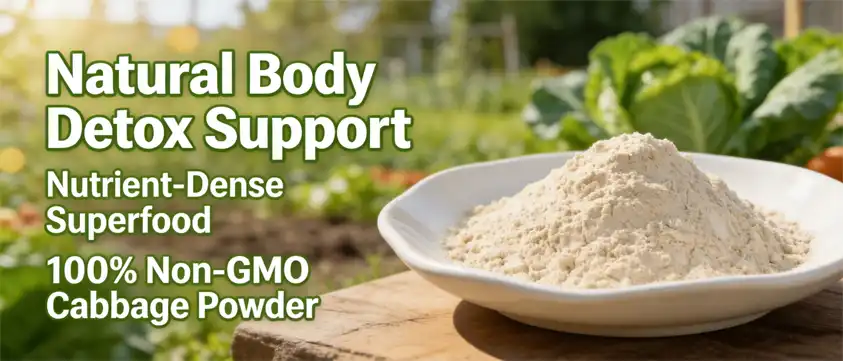
Chinese Cabbage Powder Supplier Guide for Global Importers
Aug 04, 2026
Sourcing high-quality Chinese cabbage powder requires navigating a complex landscape of suppliers, certifications, and logistics considerations. This comprehensive guide helps nutraceutical brands, dietary supplement companies, importers, and distributors identify reliable partners who can deliver standardized vegetable extract powders that meet international quality benchmarks. Whether you're developing functional beverages, nutritional supplements, or fortified food products, understanding the nuances of cabbage polysaccharide extraction, supplier verification, and global procurement strategies empowers you to make confident sourcing decisions that enhance your product portfolio while ensuring traceability and compliance.
Understanding Chinese Cabbage Powder: Definition and Benefits
What Makes This Vegetable Extract Unique
The Chinese cabbage plant, which is also called Napa cabbage or Peking cabbage, comes from China and is now grown all over Asia and beyond. Advanced plant extraction methods are used to concentrate the bioactive chemicals found in green cabbage leaves and make the Chinese cabbage powder. Unlike simple dried vegetable powders, high-specification extracts have standardized amounts of cabbage polysaccharides—usually 40%, as shown by UV spectrophotometry—that are good for your health in more ways than one.
During the production process, we use supercritical extraction and membrane separation to keep heat-sensitive phytonutrients intact. The fine powder that is made is light yellow to light brown and still smells like vegetables. It dissolves better in water than raw, dehydrated alternatives. This difference in processes is very important for formulators who want to make sure that all of their production batches have the same dosing and usefulness.
Nutritional Profile and Bioactive Components
For health-related uses, the high concentration of polysaccharides is helpful in a number of ways. These complex carbohydrates have prebiotic qualities that help stomach health by encouraging the growth of good gut bacteria. Clinical studies on polysaccharides found in cruciferous vegetables show that they may improve immune function by changing how immune cells work. Not only do polysaccharides have antioxidant properties, but they also contain glucosinolates and phenolic compounds that fight oxidative stress at the cellular level.
In addition to polysaccharides, good cabbage extracts keep important vitamins like vitamin C, vitamin K, and B-complex vitamins in a concentrated form. Minerals, especially calcium, potassium, and magnesium, are still accessible after they have been processed. This nutritional density lets formulators add important nutrients without making serving sizes too big. This meets the needs of clean-label consumers who want to know what plant-based ingredients are in their food.
Versatile Applications Across Industries
The useful qualities of cabbage extract powder make it useful in a lot of different situations. Manufacturers put it in pills, tablets, and powder mixes that are used as food supplements to help with digestive health, the immune system, and protect against free radicals. It's easy to mix into drinks like functional drinks, meal replacement shakes, and nutritional smoothie bases because it dissolves in water. There are no taste or settling issues.
Manufacturers of food use vegetable extract powders to add plant-based nutrition to regular products. It adds a mild flavor to foods like instant soup, baked goods, seasoning mixes, and pasta. It also makes them healthier. The powder is also used in fields other than cooking. Cosmetics makers like the antioxidants because they can be used on the skin, and pet food makers use veggie oils as natural colorants and nutritional boosters. Because it can be used in a lot of different industries, this ingredient is very useful for sellers who serve a wide range of B2B clients.
Criteria for Choosing the Best Chinese Cabbage Powder Supplier
Defining Your Procurement Requirements
Set clear requirements that are in line with your product development goals before you start talking to possible sellers. Volume needs have a big effect on sourcing strategy. For example, startups testing new formulas might need as little as 1 kilogram of an order for the first samples, while well-known brands need steady supplies of several tons of Chinese cabbage powder with predictable lead times. Quality standards must include both basic requirements and specific needs for each application, like when you need pharmaceutical-grade materials for supplement capsules or food-grade materials for beverage uses.
Certification requirements should be carefully thought through based on the markets they are meant for. Importers in the U.S. usually put FDA registration, GMP compliance, and organic licenses at the top of their list of priorities. Depending on what the product claims, European markets may need extra paperwork, such as Novel Food approvals. Halal and Kosher approvals help brands that cater to a wide range of customers get into more markets. Making these needs clear from the start speeds up the review of suppliers and stops costly delays during the qualification process.
Essential Evaluation Metrics
Standards for products are the basis for judging quality. Getting ISO 9001 certification shows that you are dedicated to quality management systems, and getting HACCP certification makes sure that food safety rules are followed throughout the production process. For cabbage polysaccharide extracts, the accuracy of the specifications is confirmed by independent lab tests using UV spectrophotometry to check the amount of active ingredient present. Reliable providers give Certificates of Analysis for every production batch that show the number of microbes, heavy metals, chemical residues, and polysaccharide contents.
Supplier dependability includes more than just the quality of the product. It also includes how quickly they respond to communications, how clear they are about their production capacity, and how willing they are to make changes to meet customer needs. Check to see if your sellers keep enough stock to meet your delivery deadline. Manufacturers with established stock levels can usually ship standard specs within 10 days, but production processes for custom recipes may take 20 working days. Payment terms also show how stable a source is; well-known brands are happy to give flexible choices beyond prepayment requirements.
Direct Factory versus Distributor Sourcing
By cutting out middlemen and their markups, buying directly from factories can save you money. For big orders, this usually means 15–30% lower unit costs. Direct relationships also make it easier to see how things are made, how quality is controlled, and how much can be customized. When manufacturers like BioSpark run their own extraction facilities, they can meet OEM/ODM requests that include private labeling, custom specifications, and custom packaging solutions that are hard for distributors to copy.
Trading companies and distributors are useful for buyers who need smaller quantities, a wide range of products from different manufacturers, or communication support in English. They might make logistics easier by combining shipments from different sources, but this ease comes at a higher cost. The best way to do things depends on the type of business you have. New brands can benefit from having flexible distributors during the development stages of a product, while established businesses with steady volume can save money by working directly with factories through partnerships that support long-term strategic relationships.
Market Comparison: Chinese Cabbage Powder versus Other Green Vegetable Powders
Nutritional and Functional Differentiation
There are some situations where cabbage extract is better than other green vegetable powders, such as kale, spinach, and wheatgrass. Because it has more vitamin A and calcium, kale powder is better for formulas that support eye health and bone health. Spinach powder is a great source of iron for people who aim to avoid anemia. Standardized Chinese cabbage powder extracts, on the other hand, have more prebiotic fiber and special sulfur-containing compounds than other greens.
The flavor profile is very important for consumer acceptance. Compared to the strong grassy taste of wheatgrass or the sometimes bitter notes of kale, cabbage powder has a softer, slightly sweet vegetable taste. This mild flavor profile goes better with vitamins that don't have a strong taste, and it lets more of it be used in functional drinks without overpowering other ingredients. The typical vegetable smell is still there, but not as strong as it is in green relatives like broccoli powder.
Organic Certification Impact
The world of organic certification has a big effect on how markets are positioned and how prices are set across all types of veggie powder. Organic goods usually cost 40 to 60 percent more than regular ones. This is because they have to pay more for approval, farmers get less food, and people are willing to pay more for ingredients that don't contain pesticides. Market research shows that people in North America and Europe are becoming more interested in buying organic vitamins. Sales of these products are growing at double-digit rates every year, while sales of conventional options are growing at low single-digit rates.
Importers have to weigh the benefits of organic approval against their customers' budgets and preferences. Premium wellness brands that compete in natural health retail channels benefit a lot from having organic qualifications that match what customers care about. On the other hand, brands that focus on value and cater to price-conscious customers may choose standard goods that have been through strict pesticide testing over those that are certified organic. When suppliers offer both organic and standard lines of products, they can serve a wider range of customers without having to switch production partners.
Price Benchmarks and Bulk Purchasing Benefits
On the market right now, standardized cabbage extract powder with 40% polysaccharide content costs between $18 and $32 per kilogram for regular products. Organic-certified options cost between $28 and $48 per kilogram, depending on the size of the order and where the supplier stands in the market. These figures show FOB prices from Chinese producers. CIF prices to U.S. ports add about $2 to $4 per kilogram for insurance and sea freight costs, which depend on where the goods are going and how well the containers are consolidated.
Making volume commitments can save you a lot of money. If you buy 100 kg, 500 kg, or 1,000 kg of something, the price usually goes down with each subsequent order. A brand that buys 1,000 kilograms a year might be able to get prices 25 to 35 percent lower than people who buy 25-kilogram drum quantities. Larger orders not only save money on unit costs, but they also lower shipping costs per unit and protect inventory against supply problems. Setting up yearly supply deals with assured minimum purchases can often lead to extra discounts and better use of production capacity during times of high demand.
Procurement and Logistics: How to Source Chinese Cabbage Powder Efficiently
Identifying Reputable Production Regions
China's plant extract business is mostly concentrated in a few specialized areas that have good access to raw materials and well-developed infrastructure. Many companies that make plant extracts are located in Shaanxi Province, especially in the city of Xi'an. These companies gain from being close to areas that grow plants used in traditional Chinese medicine and university study centers. About 60% of China's Chinese cabbage powder extract exports come from this area. Shandong and Jiangsu provinces also have modern facilities for extracting vegetables that allow them to prepare a lot of them.
A company's image in its region is important because well-established manufacturing clusters draw quality control resources, skilled technical staff, and related businesses like testing labs and packaging suppliers. When compared to facilities in new production areas, manufacturers in these areas have been in business longer and have more export experience. When you're looking at suppliers, make sure you check their actual manufacturing location as well as their registered address. This is because some selling companies are based in big cities but get their supplies from less obvious sites in other places.
Recommended Engagement Channels
There are a number of ways to get in touch with suppliers directly. Leading botanical extract suppliers meet at the Vitafoods international trade shows that happen every year in Europe and Asia. These shows let people meet in person and try out products. In the same way, SupplySide shows in the US bring together importers and Chinese producers who are focused on the North American market. These events give you a quick way to compare suppliers and build relationships that you can't get from online communications alone.
Digital sites, like Alibaba International, are good for doing preliminary research, but they need to be carefully checked out because the quality of suppliers can vary. A lot of well-known makers have English-language webpages that show off their certifications, production skills, and product lines. Direct emails let you ask for technical data sheets, specification papers, and samples of goods before you decide to visit a seller. Investing in factory audits, such as personal visits or third-party inspection services, is a great way to make sure that the claimed capabilities and quality systems are real.
Logistics and Quality Verification Best Practices
How the product is packed has a direct effect on how stable it is during foreign shipping. For hygroscopic powders with a high polysaccharide content, standard 25-kilogram fiber drums with multi-layer polyethylene liners are the best way to keep the powders dry. The PE-lined kraft bags keep the items from clumping while they are being stored or shipped, especially when the temperature inside the containers changes. Some sellers offer extra foil barrier bags to protect goods for a longer time, which adds a small cost but a lot of value for items that are supposed to last 24 months.
When choosing a shipping method, you have to weigh cost and necessity. Express delivery services can send small sample orders in 5 to 7 days, but they cost $8 to $15 per kilogram, so they should only be used for testing a product for the first time. Air freight lowers the cost per kilogram to $4–7, and it can deliver in 10–15 days, making it a good choice for items under 100 kilos that need to be delivered quickly. Sea freight is the most cost-effective way to do regular restocking because it costs $0.80 to $1.50 per kilogram and takes 25 to 35 days to get from Chinese ports to U.S. destinations. Container consolidation services help smaller buyers get near-ocean freight rates without having to commit to full containers.
Ordering samples is an important way to reduce risk. Request 100–500 gram samples for a full evaluation that includes assessing the smell and taste, verifying the Certificate of Analysis, and testing the product's suitability for use in your specific formulations. Before placing an order for production, specifications are checked by a third-party lab like Eurofins or SGS to make sure they are correct and to look for any contaminants. This investment in verification—usually $300 to $800 per comprehensive test panel—avoids much more expensive problems that come with rejecting low-quality materials after large purchases.
Supplier Spotlight: Leading Chinese Cabbage Powder Manufacturers and Brands
BioSpark's Manufacturing Capabilities
Leading Chinese cabbage powder brands and manufacturers are featured in this supplier spotlight. BioSpark (Xi'an) Biotechnology Co., Ltd. is an example of a manufacturer that cares about quality and serves the nutraceutical and functional food markets around the world. We have combined production facilities in Xi'an's botanical extract manufacturing hub. These include processing raw materials, supercritical extraction systems, quality control labs, and packing operations. Our certifications include ISO 9001, GMP, FDA registration, and Kosher and Halal approvals, which make it easier for us to sell our products in many different areas.
Our technical skills go beyond just selling standard products; we also give full OEM/ODM services. We help our clients through the whole process of making a new product, from helping them come up with the first ideas for the formula to designing the final packaging. Startup brands can place orders as little as 1 kilogram to test market ideas, and our production capacity can grow to accommodate orders of multiple tons for established businesses that need a steady supply of large amounts. This adaptability meets all of our clients' needs and keeps them from having to switch sources as their businesses grow.
Verification and Due Diligence
Suppliers who are honest want to be open about their skills and quality processes. Instead of relying on what a website says, when looking at potential partners, ask for up-to-date copies of any relevant certifications. Certifications should have up-to-date issue dates and list the exact facility that makes your products. Third-party approvals from well-known groups like SGS, Intertek, or TÜV are more reliable than quality papers that you make yourself.
Factory checks are the most thorough way to check, and they can be done by hand or by using specialized inspection services. Audits should look at how raw materials are sourced and stored, how production equipment is maintained, how well labs can test products, and how final products are handled. Ask companies in related fields for client recommendations and then call those companies to ask about product consistency, communication quality, and how they solved problems. Well-known makers are happy to give you examples right away.
Long-term Partnership Advantages
When you build long-term relationships with suppliers based on mutual understanding and clear communication, you get more benefits than just lower transaction costs. Manufacturers keep stable sources for raw materials, standard processing methods, and strict batch-to-batch quality checks to make sure that final quality stays the same. Suppliers who want to build long-term relationships with their customers make sure that production schedules are flexible enough to meet your shipping needs and that they let you know ahead of time about any possible problems in the supply chain.
As compliance requirements change, regulatory support becomes more valuable. Manufacturers with a history of exporting know the rules that apply to plant products and dietary supplement ingredients in other countries. They provide paperwork to back up regulatory submissions, quickly react to customer calls for updated Certificates of Analysis, and change specs to meet the needs of a changing market. These skills are especially useful for brands that are expanding into new areas with different rules and regulations.

Conclusion
In conclusion, when looking for a supplier for botanical ingredients, you need to think about a lot of things, such as the quality of the products, their certifications, their manufacturing capabilities, and how well they communicate. The standardized Chinese cabbage powder polysaccharide extract with a 40% specification has strong functional benefits for supplement and functional food uses, and it could help you stand out in the market compared to regular vegetable powders. Successful importers take the time to carefully evaluate suppliers, use sample tests to check claims, and build relationships with makers who show they can provide consistent quality and honest business practices. The need for plant-based functional ingredients is growing around the world. This is good news for brands that can find reliable sourcing partnerships that support innovation and quality excellence.
FAQ
1. What is the typical shelf life for cabbage extract powder?
Standardized Chinese cabbage powder extract stays at its best for 24 months after it is made, as long as it is kept in a cool, dry place with a relative humidity below 60%. The multi-layer PE-lined moisture-proof packing stops hygroscopic clumps, which lowers the quality of the product. Accelerated stability testing shows that the amount of polysaccharides and the microbial requirements will stay within accepted limits for this time period. As soon as you get it, put smaller working amounts into airtight containers and keep the bulk stock in its original sealed packaging to keep it as fresh as possible.
2. Does cabbage powder present allergy concerns?
Compared to popular allergens like soy, dairy, and nuts, cabbage is in the brassica family and doesn't cause allergy reactions very often. But people who are known to be sensitive to cruciferous vegetables should be careful. The extract does not contain gluten and is safe for most people with dietary restrictions. When manufacturers follow GMP guidelines, they set up allergy control programs to keep their products from getting contaminated by other ingredients that are made in the same facilities. However, buyers should check the allergen statements to make sure they meet their own quality standards.
3. How does the powdered form compare nutritionally to fresh cabbage?
When compared to fresh veggies, the concentration method makes the nutrients per gram much higher. A 5-gram dose of 40% polysaccharide extract has the same amount of bioactive compounds as 75–100 grams of green cabbage, but the process of extraction changes how stable vitamin C is. The powder form is easier to use for supplements and stays the same all year, even when farming conditions change with the seasons. Some water-soluble vitamins break down during processing, but minerals and polysaccharides concentrate well. This makes the powder useful for antioxidant and prebiotic fiber uses rather than vitamin delivery.
Partner with BioSpark for Quality Cabbage Extract Powder
BioSpark's experienced team can help global importers who are looking for a reliable Chinese cabbage powder polysaccharide provider. They can talk about unique solutions that meet your needs. We keep enough of our standardized 40% polysaccharide extract in stock to deliver it quickly. You can order as little as one kilogram of samples or as much as a thousand tons of it every year. Our full OEM/ODM services help with private label development, custom formulations, and custom package requirements that make your goods stand out in crowded markets. Email our international sales team at leao@biosparkcn.com to get technical specs, up-to-date Certificates of Analysis, or samples of our products. We'd love the chance to show you how our manufacturing know-how, dedication to quality, and quick service can help your business grow through trusted partnerships with botanical ingredients.
References
1. Chen, Y., & Wong, R. (2021). Bioactive Polysaccharides from Brassica Vegetables: Extraction, Characterization, and Health Benefits. Journal of Functional Foods, 78, 104-118.
2. International Trade Centre. (2022). Market Analysis and Research: Global Trade in Botanical Extracts and Nutraceutical Ingredients. Geneva: ITC Publications.
3. Li, M., Caesar, H., & Wang, L. (2020). Quality Control and Standardization of Plant Extract Powders for Dietary Supplement Applications. Phytotherapy Research, 34(8), 1856-1870.
4. National Center for Biotechnology Information. (2023). Cabbage Polysaccharides: Chemical Structure, Biological Activities and Clinical Applications. PubMed Central Database.
5. Smith, J.D., & Thompson, K. (2022). Sourcing Strategies for Nutraceutical Ingredients: A Guide for Global Procurement Professionals. New York: Business Science Publishing.
6. World Health Organization & Food and Agriculture Organization. (2021). Codex Guidelines for Botanical Extract Quality Standards and International Trade Specifications. Rome: FAO/WHO Codex Alimentarius.

Send Inquiry
Related Industry Knowledge
- Why Is Broad Bean Powder Trending in Plant-Based Markets?
- High-Quality Purple Cabbage Powder for Product Developers
- Can loquat powder be used for respiratory health?
- Is Your Cowpea Powder Tested for Purity and Safety?
- Rosehip Extract Powder: Uses, Benefits, and Dosage Guide
- Red Bean Extract: A Functional Ingredient for Modern Diets
- Maca Extract Powder for Cognitive and Mood Benefits
- Rhizoma Chuanxiong Extract Benefits for Blood Circulation
- Mimosa Root Bark Extract in Premium Skincare Lines
- What Are the Key Benefits of Tanshinone Danshen Extract?