_1764041963888.webp)
Can Yellow Peach Powder Improve Your Product Formulation?
Jul 25, 2026
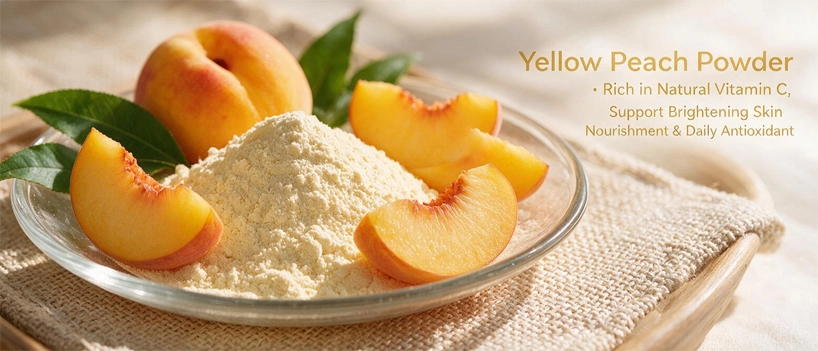
Yellow peach powder absolutely can improve your product formulation by delivering concentrated nutritional benefits, natural flavor complexity, and superior manufacturing convenience compared to fresh fruit alternatives. This versatile ingredient brings 99% peach polyphenols, excellent water solubility, and authentic fruity characteristics to formulations across multiple industries. As consumer preferences shift toward clean-label products with recognizable ingredients, incorporating fruit-based powders into your product development strategy addresses both functional requirements and market positioning needs. The concentrated form provides consistent quality, extended shelf stability, and simplified handling processes that fresh peaches simply cannot match in commercial production environments.
Understanding Yellow Peach Powder and Its Role in Product Formulation
What Makes Peach-Based Ingredients Unique in Modern Formulations
Fruit powders have changed how companies in the nutrition and functional food sectors come up with new products. The process of turning fresh yellow peaches into a concentrated powder keeps the important nutrients, aromatic compounds, and bioactive parts that people want. With the help of modern plant extraction methods, food companies can get the naturally sweet and healthy qualities of yellow peaches without having to deal with the problems that come with them going bad quickly and not always being available.
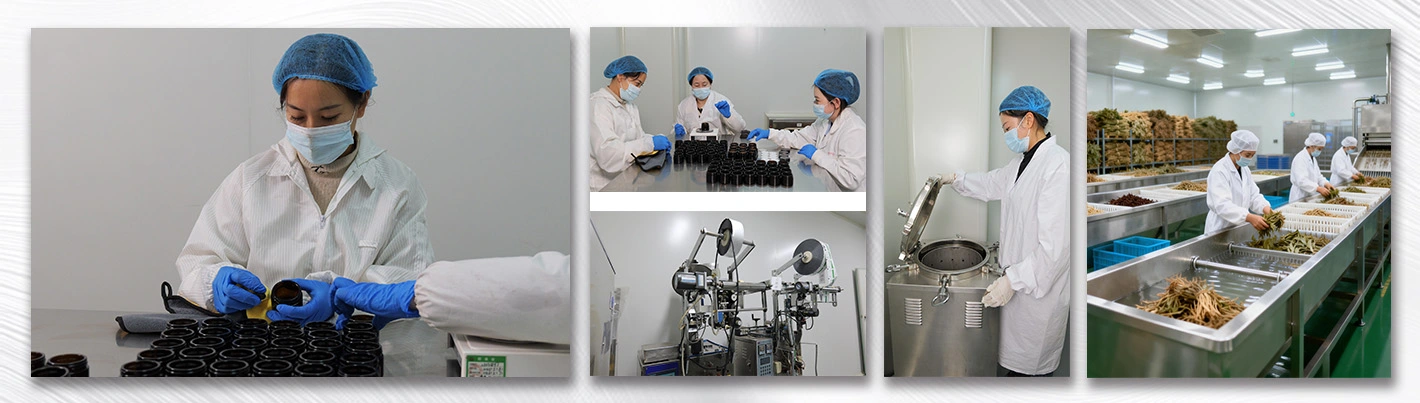
The first step in our production process is carefully choosing fresh yellow peaches that are then washed, pitted, and juiced by a machine. The extracted liquid goes through several stages of filtering before being concentrated at low temperatures, which raises the solid content while protecting chemicals that break down in heat. Adding natural ingredients like maltodextrin during the formulation process makes the powder more stable and fluid. The mixture is then dried using a spray dryer at controlled temperatures, making a fine powder with particles that are 80 to 120 mesh in size. This powder can be easily mixed into a variety of product matrices.
Nutritional Profile and Functional Benefits
Because it is so dense, peach fruit powder has a very high nutritional density. This ingredient helps the nervous system and works well in goods that focus on antioxidants because it is high in vitamins A and C. It is useful for digestive health and nutritional supplementation programs because it has dietary fibre, pectin, and trace minerals like selenium, zinc, and iron.
The most important bioactive ingredient in peaches is polyphenols, and our standard guarantees a 99% content that has been confirmed by Thin-Layer Chromatography tests. The antioxidant qualities of these polyphenolic chemicals help with oxidative stress issues in health products. Researchers have found that ingredients high in polyphenols may help keep the heart healthy, the metabolism working well, and cells protected. These are all things that health-conscious people really care about.
The light yellow to orange-yellow colour comes from natural colouring agents that don't use man-made chemicals. It meets clean-label standards that are now required for all high-end products. The sweet smell of peaches makes the product more appealing to the senses, which helps it stand out in crowded market segments and gain customers.
Manufacturing Advantages Over Fresh Fruit
When formulating with fresh fruit, product makers always face problems, such as changing seasonal supply, uneven levels of ripeness, high moisture content that needs special storage, and short shelf lives. These problems can't happen with powdered fruit products because they keep the real flavours and nutrients.
With powder formats, storage needs are a lot less complicated. Fresh peaches need to be kept cool and dry, and they only last a few days on the shelf. Yellow peach powder, on the other hand, stays fresh for longer when stored in cool, dry places away from direct light. This longer-term steadiness cuts down on inventory waste, makes managing the supply chain easier, and lets production stay steady all year, no matter when the crops are harvested.
In production settings, handling efficiency goes up a lot. Powder ingredients make precise doses easy and support the constant batch-to-batch quality that regulatory compliance requires. Because it dissolves easily in water, it can be quickly mixed into liquid mixtures. Its small particles make it easy to mix into dry mixtures, pills, and tablets without the need for special tools.
Comparing Yellow Peach Powder with Alternative Ingredients
Distinguishing Between Fruit Powder Variants
Knowing the differences between ingredients that come from fruits helps you make better buying choices that are in line with your product goals. The powder made from yellow peaches is very different from the powder made from white peaches in terms of both taste and appearance. Yellow types usually have a stronger, sweeter flavour and a darker golden colour that makes the product look better in situations where how it looks affects how people feel about it.
Peach extracts are in a whole different group because they offer concentrated specific compounds instead of nutrients from the whole fruit. Extracts do deliver targeted bioactive components in smaller amounts, but whole-fruit powders have more fibre, natural sweetness, and a full range of aromas. Different processing methods can make juice powders that may have extra carriers and usually have different recovery qualities than powders made by extraction methods.
The difference between organic and standard types goes beyond farming methods and includes things like certification requirements, price, and where the products are positioned in the market. Although organic-certified powders are more expensive, they give you access to niche markets where certification is a must-have rather than a nice-to-have.
Cost-Effectiveness and Procurement Considerations
To figure out the costs of ingredients, you have to look at more than just the price per kilogram. Transportation costs, minimum order quantities, payment terms, and the total landed cost all have a big effect on how much it really costs to add an ingredient to a production process. When you take into account the cost of losing yield, processing, and getting rid of waste that comes with perishable materials, powdered ingredients usually make more sense than fresh fruit.
Our flexible minimum order number, which starts at just 1 kg, can be used for both pilot-scale testing and full production. This lowers the financial risk during the development stages of a product. Standard packaging in 25 kg drums strikes a good balance between making it easy to handle and keeping moisture and germs out during storage and transport.
Delivery terms like FOB, CIF, CFR, EXW, DAP, and DDP give buyers a lot of options to meet their own needs and tastes when it comes to logistics. With options like express courier, air freight, and sea freight, buyers can find the best balance between delivery speed and shipping costs based on their production and inventory plans.
How to Choose the Right Yellow Peach Powder for Your Product Line
Essential Quality Metrics and Testing Standards
When choosing the right fruit powder ingredients, you need to pay close attention to certain quality factors that have a direct effect on how well the recipe works and how well the finished product does. The level of purity determines the amount of active compounds compared to carriers or excipients. Our 99% peach polyphenol standard is the purest available and is ideal for high-end uses where ingredient quality cannot be sacrificed.
Particle size distribution affects many formulation qualities, such as how quickly it dissolves, how the end product feels in the mouth, and how it flows during production. The 80-120 mesh standard makes sure that the Yellow peach powder product works the same way in all kinds of situations, from drinks that need to dissolve quickly to baked goods that need even dispersion to keep the ingredients from sticking together or spreading flavours in different ways.
Compatibility with different types of formulations is based on how well the substance dissolves. Because it dissolves easily in water, this ingredient is great for use in drinks, reconstituted drink mixes, and liquid supplement formulations. Because it dissolves slightly in ethanol, it can be used in more things, like medicines and some cosmetics, where alcohol is used as a carrier system.
Certification Requirements and Regulatory Compliance
When B2B buyers are looking at providers, international quality approvals are a way for a third party to confirm that the standards for manufacturing and product safety are being met. Our long list of certifications, which includes ISO9001, Kosher, Halal, FDA registration, and GMP compliance, shows that we are dedicated to quality systems that meet strict global standards.
ISO9001 certification makes sure that strong quality management systems are in place. These systems cover things like choosing suppliers, keeping an eye on production, taking corrective action, and making improvements all the time. This organised method makes sure that the quality of the product stays the same from batch to batch and meets the requirements. This is very important for companies whose quality systems depend on the dependability of the ingredients they use.
Kosher and Halal certifications help people who have to follow certain dietary rules because of their religion. This can help businesses in places where these certifications are required, not just nice to have. FDA registration shows that a product is in line with U.S. regulations, which makes it easier for American buyers and brands that want to sell to Americans to get into the market.
Good Manufacturing Practices (GMPs) are followed when a company is certified. These practices include building layout, cleaning rules, training for employees, record-keeping systems, and steps to stop pollution that keep the purity of the product safe during production.
Evaluating Supplier Capabilities and Service Support
Choosing a supplier is more than just looking at the specs of the product. It also involves the supplier's production capacity, technical help, customisation services, and the possibility of a long-term relationship. The production ability of a seller tells you if they can grow with your business and meet your needs for more volume without sacrificing quality or delivery times.
Our OEM/ODM service lets us customise products to meet special formulation needs, package tastes, and private-label programs that help brands stand out. Our knowledge of ingredients and experience using them in a variety of product categories, along with technical support during formulation development, shortens the time it takes to get a product on the market.
Sample availability is an important evaluation tool that lets you test the taste, suitability with formulations, and manufacturing behaviour of a product before placing a full-scale order. We encourage sample requests as a part of thorough supplier evaluation processes that lower the risk of procurement and boost trust in decisions about which suppliers to choose.
Bank transfer payment terms offer safe and trackable ways to make transactions that meet the needs of company financial control, while keeping suppliers' cash flow steady to support regular production and inventory availability.
Best Practices for Integrating Yellow Peach Powder into Product Formulation
Dosage Guidelines and Formulation Techniques
To make a good product, you need to know the best ranges of ingredient amounts that combine the desired useful benefits, sensory properties, and cost factors. Typical inclusion rates depend on the application. For example, beverage formulations might need 2-5% concentrations to get a noticeable flavour and nutritional boost, while baked goods might need 3-8%, depending on how much flavour and colour they want to add.
The order of blending has a big effect on the quality of the dispersion and the texture of the final product. When adding powdered ingredients to liquids, mixing them quickly in a small amount of the whole liquid before adding them to the rest stops clumping and speeds up the dissolving process. Compared to bulk addition methods, dispersions that are made by adding things slowly while keeping them moving are smoother and more uniform.
During processing, temperature affects both the stability of the ingredients and how well they work. Even though our Yellow peach powder is very stable at high temperatures, vitamins and chemical compounds that are sensitive to heat may break down if they are exposed to temperatures above 200°C for a long time. Adding ingredients to hot-process mixtures while they are cooling keeps their nutritional value and taste at their highest level.
Industry Applications and Success Examples
Fruit-based powder ingredients can be used in a lot of different types of products because they are so flexible. In the beverage industry, this ingredient has been successfully added to fruit juice blends, smoothie bases, yoghurt drinks, and flavoured tea products. The natural peach notes suit the main flavours and add nutritional value that backs up claims on the box.
Both the natural colouring and flavouring features are useful in bakery uses. Cookie batters get a mild fruit sweetness that cuts down on the need for refined sugar, and cake batters get beautiful golden colours without using fake dyes. The powder mixes evenly into batters and doughs, making sure that all finished products have the same flavour and colour.
Companies that make nutritional supplements use fruit powders in meal replacements, protein powder blends, and functional drink mixes. The whole fruit ingredients help the products have a clean label, and the natural sweetness makes the drinks taste better. Fibre, vitamins, and polyphenolic chemicals work together to make food more useful than just tasty.
Gummies, pressed sweets, and fruit chews are all examples of confectionery that use both natural colouring and flavour accuracy. More and more people are looking closely at the ingredients in candy, which means that the candy can be reformulated with well-known fruit-based ingredients that satisfy parents' worries while keeping the taste appeal that kids want.
Storage and Handling Protocols
Paying attention to how the ingredients are stored and handled is important for keeping their quality from the time they are received until they are used in production. Powder ingredients are most likely to break down when they come into contact with water. This is because hygroscopic materials are very good at absorbing water from the air, which can cause clumping, microbial growth, and chemical breakdown of sensitive compounds.
Temperatures should stay between 15°C and 25°C, and the relative humidity should be less than 60%. The first line of defence against moisture getting in is the original packaging. Once the drums are opened, the goods must be moved to the right protected cases. Food-grade containers with lids that fit tightly keep food from being exposed to air between opening and full use.
Using first-in, first-out inventory movement makes sure that items are used within their best freshness windows, which keeps them from being stored for too long, which could damage their quality. Labelling packages with lot numbers and times of receipt makes it easier to track down ingredients and supports recycling practices that keep ingredients' integrity.
Hygiene rules for handling stop cross-contamination and the spread of microbes. During the weighing, pouring, and incorporation processes, dedicated tools, regular equipment cleaning, and the right use of personal protective equipment protect both the quality of the ingredients and the safety of the operators.
Procurement Strategies for Yellow Peach Powder: Navigating the B2B Market
Identifying Reliable Supplier Networks
China has become the biggest seller of plant-based extracts and fruit powder ingredients because it has a lot of farming resources, a lot of experience processing them, and prices that are very low. Since BioSpark is based in Xi'an, it is close to places where it can get raw materials and has a processing infrastructure that works well. This helps them make products quickly and at low costs.
To figure out how reliable a supplier is, you need to look at more than just marketing materials. Audits of production facilities, whether done by the facility itself or by a third-party inspection service, check claims about capacity, the abilities of equipment, and quality control systems. Customer examples from current customers can tell you a lot about how reliable your delivery is, how quickly you respond to communications, and how you handle problems when they come up.
Certifications provide consistent standards for contrasting providers, since getting and keeping international quality certifications requires a lot of money to be spent on systems, training, and ongoing tracking of compliance. Suppliers who have a lot of different certifications usually show that their company is committed to quality throughout all of its operations.
Negotiating Terms and Managing International Logistics
Minimum order quantity rules have a big effect on planning how to buy things, especially for new names and product growth. Our 1 kg minimum order amount gets rid of obstacles that could stop you from thoroughly evaluating ingredients during the recipe development stages. This lets you get hands-on experience before making bigger purchases.
Knowing Incoterms makes it clear who is responsible for what when shipping goods across foreign borders, including paying for the shipping, clearing customs, and passing on the risk. When you use EXW (Ex Works) terms, the buyer is responsible for everything, and when you use DDP (Delivered Duty Paid) terms, the seller is responsible for everything. Choosing the right terms relies on your company's internal operations, your knowledge of how imports work, and your preference for shipment control over ease.
Planning for lead times keeps production from stopping because of a lack of ingredients. International shipments need more planning time than domestic ones. For example, sea freight from China to U.S. ports usually takes 3–5 weeks to get there, plus time for customs clearance and transportation to final destinations on land. Keeping safety stock gaps in place keeps production going even when there are delays that were not expected, and keeps the costs of having stock in check.
The terms of payment show how buyers and sellers share risk. Bank transfer agreements protect both parties by using known banking channels and leaving clear paper trails that can be used for accounting needs and financial checks. As business ties grow, better terms are often offered after building trust through smaller deals at first.
Sample Testing and Pilot Production Protocols
A careful review of all the ingredients before they are used on a large scale is a smart way to manage risks. By asking for samples, you can test a lot of things, such as how the product tastes, whether it works with other formulations, and how it makes things behave in real production conditions. The organoleptic test makes sure that the flavour profiles, colour features, and aromatic qualities are in line with what the product idea calls for.
Lab tests on samples make sure that the supplier's claims are true, checking for purity levels, particle size distribution, and the lack of any contaminants or adulterants. Third-party testing is a way to get independent confirmation when a company doesn't have the right analysis tools or staff.
Before starting large-scale production, pilot production runs with sample materials show any problems that might come up during processing. These tests show how the substance dissolves, how it needs to be mixed, how stable it is during the process, and what the end product will be like in ways that small-scale lab tests might not fully predict.
By writing down the results of testing samples, you can make objective records that help you choose which ingredients to use and set average performance standards for ongoing supply quality tracking. This paperwork is helpful when you need to explain your recipe choices to regulators, customers, or internal stakeholders who are asking why certain ingredients were chosen.
Conclusion
Adding fruit-based powders to products has real benefits for makers, such as making them healthier, promoting "clean labels," and cutting down on running costs. Yellow peach powders that have been properly processed are concentrated, so they have authentic flavours and health benefits without the problems and lack of consistency that come with buying fresh fruit. Businesses of all sizes can make their purchasing processes more efficient with the help of full certification portfolios, flexible minimum order quantities, and dependable international logistics. As consumer tastes continue to shift toward easily recognisable, naturally-derived ingredients, building partnerships with strong suppliers allows brands to act quickly on new opportunities while upholding the quality standards that ensure long-term market success.
FAQ
1. Is fruit powder suitable for clean-label product formulations?
Absolutely. Clean-label principles are perfectly matched by products that are made by physically handling whole fruits without adding any fake ingredients, preservatives, or additives. Fruit is easily recognisable as a healthy ingredient, which makes powder forms made from well-known fruits and vegetables great options for brands that value simplicity and openness in their ingredients.
2. How does powder shelf life compare to fresh peaches?
There is a big difference in shelf life. Fresh peaches stay at their best for about a week when kept in the fridge, and powder stays good for 18 to 24 months if it is stored properly. This longer-term stability cuts down on waste, makes managing goods easier, and allows for steady production all year, even when crops aren't being harvested.
3. What certifications should buyers prioritize when sourcing fruit powders?
Priority approvals rely on the product's placement and the markets it wants to reach. ISO9001 checks the quality of management systems, and GMP checks the standards for good manufacturing practice. Kosher and Halal certifications let certain groups of people with religious dietary needs buy products. Organic approval comes with a higher price tag, but it opens up new sales channels where regular goods have trouble getting in.
Partner with BioSpark for Premium Yellow Peach Powder Supply
BioSpark is an expert at making pure fruit extracts and botanical ingredients that are used around the world in nutraceutical and functional food products. Our skills as a Yellow peach powder producer include using cutting-edge extraction technology and strict quality control to make sure that every batch meets the same standards. Whether you need small amounts to test new formulations or a lot of products for mass production, our flexible manufacturing can meet your needs. We offer a wide range of OEM/ODM services, such as private labelling, custom formulation, and package solutions.
We keep enough inventory on hand to quickly fill orders, and we offer a variety of shipping choices to make sure that items get to places around the world on time. Our technical team gives recipe advice throughout the whole process of making a new product. They do this by drawing on their many years of experience working with drinks, baked goods, supplements, and sweets. Email our team at leao@biosparkcn.com to get samples, talk about your recipe needs, and find out how our dedication to quality, service, and teamwork can help your product development efforts and speed up your time to market.
References
1. Tomás-Barberán, F. A., & Espín, J. C. (2001). Phenolic compounds and related enzymes as determinants of quality in fruits and vegetables. Journal of the Science of Food and Agriculture, 81(9), 853-876.
2. Gil, M. I., Tomás-Barberán, F. A., Hess-Pierce, B., & Kader, A. A. (2002). Antioxidant capacities, phenolic compounds, carotenoids, and vitamin C contents of nectarine, peach, and plum cultivars from California. Journal of Agricultural and Food Chemistry, 50(17), 4976-4982.
3. Noratto, G., Martino, H. S. D., Simbo, S., Byrne, D., & Mertens-Talcott, S. U. (2015). Consumption of polyphenol-rich peach and plum juice prevents risk factors for obesity-related metabolic disorders and cardiovascular disease. Journal of Nutritional Biochemistry, 26(6), 633-641.
4. Cantín, C. M., Moreno, M. A., & Gogorcena, Y. (2009). Evaluation of the antioxidant capacity, phenolic compounds, and vitamin C content of different peach and nectarine breeding progenies. Journal of Agricultural and Food Chemistry, 57(11), 4586-4592.
5. Deng, J., Chen, S., Yin, X., Wang, K., Liu, Y., Li, S., & Yang, P. (2013). Systematic qualitative and quantitative assessment of anthocyanins, flavones and flavonols in the petals of 108 lotus cultivars. Food Chemistry, 139(1-4), 307-312.
6. Bassi, D., & Monet, R. (2008). Botany and taxonomy of peach. In The Peach: Botany, Production and Uses (pp. 1-36). CABI Publishing.

Send Inquiry
Related Industry Knowledge
- Does gotu kola extract powder support healthy blood circulation?
- Does Garcinia Cambogia Extract Help Reduce Cravings Effectively?
- Could Bitter Melon Extract Powder Fit Weight Management Products?
- Could Liquorice Extract Powder Improve Your Product Formula?
- Inositol Pearl Extract vs Pearl Powder: What’s the Difference?
- What Are the Key Benefits of Pomegranate Seed Extract Powder?
- What Are the Key Benefits of Gotu Kola Extract Powder?
- Papaya Leaf Extract Powder Benefits: What Does Science Say?
- What Makes Red Bean Extract Ideal for Nutraceuticals?
- Are Spirulina Extract Tablets Good for Detoxification?