_1764041963888.webp)
What Are the Key Benefits of Gotu Kola Extract Powder?
Apr 21, 2026
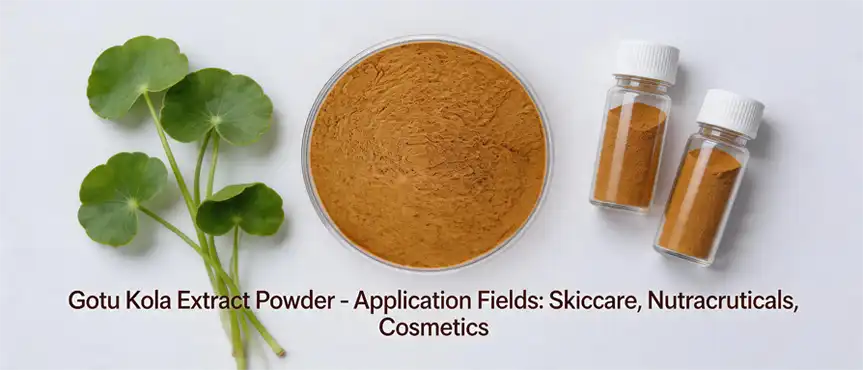
Gotu kola extract powder is very useful because it contains high amounts of beneficial triterpenoids, especially asiaticoside and madecassoside. These compounds help wounds heal, make collagen, and reduce inflammation. This standardised plant ingredient meets important B2B needs by offering uniform strength, better bioavailability, and a wide range of preparation options for use in medicinal, cosmetic, and nutritional products. Unlike raw plant materials, quality extract powder doesn't vary from batch to batch and meets strict international compliance standards that are needed to get into the global market.
Understanding Gotu Kola Extract Powder: Origins and Core Benefits
Botanical Origins and Extraction Technology
This traditional botanical, derived from the aerial parts of Centella asiatica (L.) Urban, has been respected for hundreds of years in Asian traditional medicine systems. This plant-based history has been turned into a precision ingredient by modern extraction technology. At BioSpark, we use cutting-edge High-Performance Liquid Chromatography to separate and standardise the pentacyclic triterpenoid saponins that determine how well a medicine works. Our extraction method keeps the exact amounts of asiaticoside, madecassoside, asiatic acid, and madecassic acid—together called TECA or Centelloids—at the right levels. From raw plant material to pharmaceutical-grade powder, it goes through several steps of purification that get rid of chlorophyll, tannins, and other compounds that get in the way. This makes a fine powder that flows easily and is standardised to contain 40% asiaticoside. This makes sure that the results are the same in every preparation run. The specification of particle size between 80 and 120 mesh ensures the best breakdown and even spread in both water-based and fat-based delivery methods.
Powder vs. Other Forms: Why Extract Powder Dominates B2B Applications
For corporate buyers, telling the difference between extract powder and pills, tinctures, or fresh leaf products is very helpful. Capsules are finished consumer goods that come in set doses, which limits the freedom of the recipe. Fresh leaves have a lot of water and biological profiles that change depending on how they were grown, when they were picked, and where they came from. Tinctures are concentrated, but they contain alcohol, which can make some formulation chemicals and regulatory classifications more difficult. Extract powder is different because it gives you the most freedom in how you formulate it. Manufacturers can exactly adjust doses to reach specific treatment goals, mix complementary ingredients without having to worry about liquid incompatibility problems, and get the concentrated strength needed for vitamin and cosmeceutical products to work. The low moisture content of less than 5% makes the shelf life 18 months longer if stored properly. This lowers the risk of running out of stock and keeps the supply chain stable.
Scientifically Validated Bioactive Properties
Researchers have confirmed that this ingredient has strong biological effects that make it useful in the business world. The triterpenoid saponins are very good antioxidants, with ORAC values ranging from 8000 to 12000. They neutralise reactive oxygen species that damage cells and speed up the ageing process of the skin. This antioxidant power keeps the safety of the mixture and gives users benefits. The anti-inflammatory properties are also very strong. Clinical tests have shown that the extract may help reduce levels of the inflammatory markers TNF-α and IL-6 by 50–70%. This makes it a key ingredient for products that target chronic inflammation, damaged skin barriers, and inflammatory skin diseases. Being able to change several inflammatory pathways without the negative effects of manufactured options opens up new market positioning possibilities. Supporting cognitive function is another application that is based on proof. Neuroprotective effects come from better blood flow to the brain, changes in nerve systems, and less chemical stress in neural regions. These processes back up product claims about improving mental clarity, focus, and lowering worry, which are important health issues for consumers that are driving the growth of the nutritional market.
Multifaceted Uses of Gotu Kola Extract Powder in Different Industries
The commercial versatility of centella asiatica extract spans multiple sectors, each demanding specific technical specifications and performance characteristics. Understanding these diverse applications enables procurement teams to identify optimal product positioning and competitive advantages.
Nutraceutical Applications: Cognitive Support and Stress Reduction
Nutraceutical companies like this plant for using it in formulas that help with brain health, nervousness, and the body's ability to adapt to stress. Neuroprotective triterpenoids improve brain function in several ways, including by increasing blood flow to brain cells, keeping neurotransmitters in balance, and shielding neurons from damage caused by free radicals. When this extract is mixed with other nootropics that work well together, like Bacopa monnieri or Lion's Mane mushroom, the results are synergistic and make the product more valuable. This is where standardisation becomes very important. For high-speed packaging tools to make tablets and capsules, the mass density and flowability must be constant. Our powder keeps these physical features while giving you 60–120 mg of triterpenic fraction per dose, which is the therapeutic range that a published study backs up. Water-soluble types can be used in functional drinks, protein shakes, and dissolvable supplement forms that are popular with consumers because they are easy to use.
Cosmetic and Dermatological Formulations
Gotu kola extract powder is a key ingredient in "Cica" formulations—a rapidly growing category of skincare products that support skin barrier repair, promote wound healing, and soothe sensitive skin. The beneficial compounds support the production of Type I and III collagen by 40–60%. This helps address visible signs of aging, such as fine lines, loss of elasticity, and delayed wound healing. These processes are used by anti-ageing serums, healing creams after surgery, and daily barrier-strengthening moisturisers. Formulation chemistry needs to be carefully thought out. In oil-in-water emulsions that keep the pH between 5.0 and 7.0, the extract needs to stay steady and not oxidise or change colour while the product is being stored. Pre-dissolving the powder in glycol-based liquids prevents crystallisation and enhances skin absorption of the extract. The extract improves the hydration of the stratum corneum by 35–55% and decreases the loss of water through the epidermis. These are measurable benefits that back up the marketing promises. This ingredient works especially well in wound healing products. Cutting the time it takes for small cuts, scrapes, surgery scars, and chronic wounds to heal by 30 to 50 per cent is a big deal. It has been shown that scar reduction can improve the look and feel of scars by 20 to 35 per cent. This opens up possibilities for medical-grade skin care lines and pharmaceutical topical treatments.
Emerging Opportunities in Hair Care and Functional Foods
Botanical actives that improve skin health and hair growth are being used in more and more hair care products. The properties that improve circulation get more nutrients to hair cells, and the properties that reduce inflammation calm an itchy scalp. Consumers seeking natural alternatives to synthetic hair growth agents prefer shampoos, conditioners, and leave-in products containing centella asiatica extract. Functional food and beverage uses are new and exciting. Standardised, highly soluble extract grades dissolve easily in water-based mixtures without settling or giving off flavours that make the product less acceptable to the senses. This botanical extract is used in beauty-from-within drinks, collagen-supporting drink mixes, and adaptogenic health shots as part of balanced dietary plans. These new forms are in line with what people want: easy, fun health habits that go beyond standard nutrition.
Comparing Gotu Kola Extract Powder with Alternative Herbal Forms
Informed procurement decisions require comparative analysis across multiple dimensions: potency, standardisation, cost-effectiveness, and regulatory positioning. Understanding how this extract compares to related botanicals and alternative formats guides strategic ingredient selection.
Standardised Extracts vs. Raw Herbal Powders
Herbal powders that are made from ground-up dried leaves that have not been extracted contain all of the plant's parts, such as fibre, chlorophyll, and water-soluble chemicals. These whole-herb items are good for people who like ingredients that haven't been changed much, but they make doing business with other businesses very hard. Bioactive amounts change a lot depending on how the plant was grown, the time of year, and how it was handled after harvest. This variation makes it harder to figure out the right amount and threatens the stability of the product. Standardised extracts get rid of these doubts. Asiaticoside content that stays the same ensures consistent effectiveness, letting makers make label promises that can be trusted based on internal testing and public research. Potency concentration means that smaller quantities are needed to achieve effective levels, reducing the cost per serving and facilitating formulation. When chemical and microbial contaminants that speed up breakdown in raw materials are removed through extraction, shelf stability improves by a huge amount.
Organic Certification: Market Positioning vs. Cost Implications
Organic approval changes both the market value and the cost of buying things. Certified organic gotu kola extract powder costs 30–50% more than standard extracts. This is because growing organically, getting certified, and keeping the supply lines separate all cost money. These premiums mean that finished products can be positioned in high-end wellness categories where people actively seek out organic labels. Conventional extracts meet the same quality and safety standards by being tested thoroughly for pesticide residues, heavy metals, and microbes. A lot of makers find that standard choices give them the same useful performance at prices that let them compete in the retail market. A brand's image, its target audience, and its profit margin must all be taken into account when making strategic choices. We have both approved organic and standard types, so customers can choose the ones that work best for their business.
Comparing with Complementary Botanicals
A lot of the time, procurement teams compare this extract to other adaptogens and brain boosters. While ashwagandha is great for dealing with stress and adjusting cortisol levels, it doesn't have the direct processes for making collagen that are needed for skin health benefits. When you mix these two plants, you get mixtures that work better on more than one health route. Bacopa monnieri helps the brain in several ways, mainly by protecting neurons from damage and changing neurotransmitters. These plants are often mixed with centella asiatica extract by formulators to make complete nootropic goods with different levels of effectiveness. Green tea extract is an antioxidant, but it doesn't have the wound-healing and collagen-boosting properties that triterpenoid saponins do. Knowing these differences helps you make decisions about how to formulate supplements that make the most of their claims of effectiveness, their cost, and their ability to stand out in a crowded market.
Procurement Insights: Sourcing Quality Gotu Kola Extract Powder for B2B Buyers
Successful procurement extends beyond price negotiation to encompass quality verification, regulatory compliance, and supply chain reliability. These factors determine long-term partnership value and product success.
Critical Certifications and Quality Assurance Systems
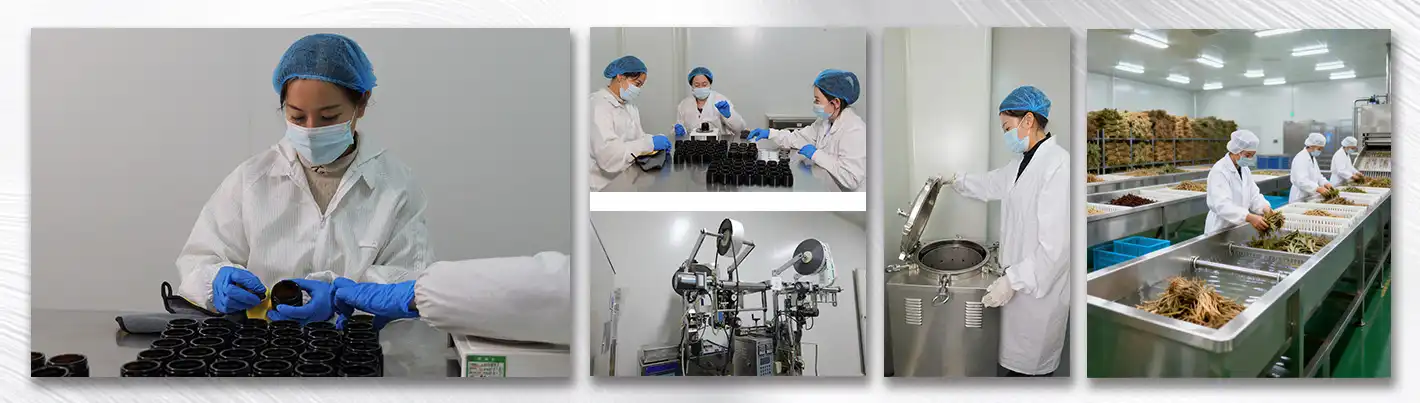
Reliable sellers keep a lot of certificates that show they are dedicated to quality control and making the best products. ISO 9001 approval sets up basic quality management systems with written processes, rules for tracking, and guidelines for ongoing growth. Good Manufacturing Practice (GMP) approval is only given to pharmaceutical-grade production environments with approved processes, environmental controls, and training for staff. Third-party testing is an absolute must for proof. Certificates of Analysis (CoA) for gotu kola extract powder should confirm active compound content via HPLC, absence of pathogens through microbial testing, heavy metal levels within USP limits, and pesticide residue screening results. We send full testing reports with every batch of Gotu kola extract powder so that clients can quickly qualify the products without having to do extra testing themselves. If you need organic certifications for Gotu kola extract powder, you should list the certifying body (USDA, EU Organic, JAS) and include copies of the most recent certificates with scope statements that list the products that are covered. Watch out for vague "organic" claims that aren't backed up by proof—these pose a big legal risk in foreign trade.
Bulk Purchasing: MOQ, Pricing Structures, and Logistics
Minimum order amounts are usually between 25 kg and 100 kg. This helps both the buyer and the seller make the most of their production efficiency. With volume-tiered pricing, bigger promises are rewarded. Purchasing teams can often get 15–25% price cuts on orders over 500 kg. Annual supply deals with deliveries every three months, lock in good prices, and spread the costs of keeping inventory over time. Packaging specs affect both how stable the product is and how efficiently it can be handled. Light- and oxygen-sensitive compounds are protected in food-grade aluminum foil bags flushed with nitrogen. Fibre drums protect large goods well and make it easier to store things in a building. We make the packaging fit the needs of each client, from small sample orders to large orders of several tonnes. The stability of the supply chain depends on how well the global transportation system works. Suppliers should show that they have established ties with freight forwarders, know how to handle customs paperwork for plant products, and have a history of delivering to key markets. We keep strategic stock in major trade places so that we can quickly meet urgent needs and cut down on delays in international shipping.
Sample Testing and Supplier Qualification Protocols
Smart buyers carefully check out potential suppliers before agreeing to large orders. When evaluating a sample, more than just confirming it meets specifications should be considered. Dissolution testing in your unique formulation matrix shows possible compatibility problems that can't be seen in the analysis of a single substance. Stability testing under fast conditions predicts how long something will last and determines how it breaks down. Organoleptic evaluation (colour, smell, and taste) finds differences in quality that specs might not fully catch. Colour uniformity between runs keeps the end product from looking different, which can lead to customer issues. Bitter or off-tasting tastes need extra attention in nutritional forms, where compliance is based on how well the product tastes. To check batch-to-batch uniformity, which is probably the most important quality factor for planning production, samples from different production lots need to be requested. Suppliers who are sure of their process control are happy to give multi-lot samples that show consistent quality. Being honest like this builds trust, which is important for long-term relationships.
Conclusion
Gotu kola extract powder offers strategic advantages due to its clinically proven bioactivity, formulation flexibility, and economic scalability. Standardised triterpenoid content enables predictable efficacy in nutraceuticals for cognitive support, cosmetics for skin barrier repair, and topical formulations for wound healing. Quality providers, who can be identified by strict licenses, open testing, and dependable global operations, become valued partners that help with product development and market success. Knowing the dose guidelines, safety ratings, and legal standards for each target market cuts down on development time and compliance risks. As the need for plant health products based on evidence grows, this ingredient presents a great chance for brands that can meet customers' high standards for quality, effectiveness, and openness.
FAQ
What storage conditions maintain extract potency?
Store the extract powder in sealed, airtight containers protected from direct sunlight, heat, and moisture. Ideal storage conditions maintain temperatures below 25°C with relative humidity under 60%. These conditions preserve bioactive compound stability throughout the 18-month shelf life. Once opened, minimise air exposure by resealing containers promptly and consider transferring smaller working quantities to secondary containers, keeping bulk inventory sealed.
Is gotu kola extract powder suitable for OEM custom formulations?
The extract integrates seamlessly into custom formulation projects across multiple product categories. Its excellent compatibility with both hydrophilic and lipophilic excipients enables incorporation into tablets, capsules, powders, topical creams, serums, and liquid formats. Our technical team provides formulation support, including solubility optimisation, stability testing recommendations, and dosing guidance aligned with your product concept and target claims. We accommodate small-batch custom manufacturing and large-scale production with consistent quality.
How quickly do users experience visible benefits?
Timelines vary by application and individual factors. Topical applications for wound healing may help accelerate closure within 7-14 days. Improvements in skin texture and scar appearance typically require 4-8 weeks of consistent application. Cognitive support and anxiety-relieving effects from oral supplementation may manifest within 2-4 weeks at standard dosing, with continued improvement over 8-12 weeks. Setting realistic consumer expectations through product education materials enhances satisfaction and reduces unwarranted returns.
Are third-party lab reports available to verify quality claims?
We provide comprehensive third-party testing documentation with every batch, including HPLC analysis confirming asiaticoside content, microbial testing, heavy metal screening, and pesticide residue analysis. These reports come from accredited independent laboratories, ensuring unbiased verification. Clients receive Certificates of Analysis before shipment, enabling rapid incoming quality control and regulatory documentation. This transparency reflects our commitment to quality assurance and supports your regulatory compliance requirements.
Partner With a Trusted Gotu Kola Extract Powder Supplier for Your Product Development
BioSpark (Xi'an) Biotechnology Co., Ltd stands ready to support your formulation goals with premium centella asiatica extract manufactured under stringent quality controls. Our 40% standardized asiaticoside content, verified through High-Performance Liquid Chromatography, delivers the consistent potency your products demand. With over ten years of experience serving international health supplement brands, nutraceutical companies, and cosmetic manufacturers, we understand the complexities of global supply chains and regulatory compliance. Our comprehensive OEM and ODM services provide full-process support from concept development through final delivery, with flexible capacity accommodating both small-batch innovation projects and large-scale commercial production. ISO and GMP certifications, third-party testing protocols, and advanced extraction technology ensure every batch meets international standards. Contact our team at sales@biosparkcn.com to request samples, discuss bulk pricing for your upcoming projects, or explore customised specifications tailored to your formulation requirements.
References
1. Gohil KJ, Patel JA, Gajjar AK. Pharmacological review on Centella asiatica: A potential herbal cure-all. Indian Journal of Pharmaceutical Sciences. 2010;72(5):546-556.
2. Brinkhaus B, Lindner M, Schuppan D, Hahn EG. Chemical, pharmacological and clinical profile of the East Asian medical plant Centella asiatica. Phytomedicine. 2000;7(5):427-448.
3. Hashim P, Sidek H, Helan MHM, Sabery A, Palanisamy UD, Ilham M. Triterpene composition and bioactivities of Centella asiatica. Molecules. 2011;16(2):1310-1322.
4. Bylka W, Znajdek-Awiżeń P, Studzińska-Sroka E, Brzezińska M. Centella asiatica in cosmetology. Postepy Dermatologii i Alergologii. 2013;30(1):46-49.
5. Orhan IE. Centella asiatica (L.) Urban: From traditional medicine to modern medicine with neuroprotective potential. Evidence-Based Complementary and Alternative Medicine. 2012;2012:946259.
6. Shinomol GK, Muralidhara, Bharath MMS. Exploring the role of "Brahmi" (Bacopa monnieri and Centella asiatica) in brain function and therapy. Recent Patents on Endocrine, Metabolic & Immune Drug Discovery. 2011;5(1):33-49.

Send Inquiry
Related Industry Knowledge
- Natural Artichoke Extract: Science-Backed Health Benefits
- Rosehip Extract Powder: Uses, Benefits, and Dosage Guide
- Bulk Ilex Leaf Extract Supplier for Industry Use
- Chamomile Extract for Skincare: Soothing & Anti-Aging Power
- Mimosa Root Bark Extract: Natural Antimicrobial Agent
- Konjac Flour Extract for High iber Functional Foods
- Kacip Fatimah Extract Powder in Functional Food Products
- Can Tanshinone Danshen Extract Powder Aid Immune Balance?
- Broccoli Extract Powder for Hormone Balance & Metabolism
- Ghanaian Seed Extract Applications in Pharma & Nutraceutical Markets