_1764041963888.webp)
Blackberry Juice Powder Benefits, Uses, and Quality Standards
Aug 17, 2026
Blackberry juice powder represents a concentrated superfruit ingredient derived from Rubus fruticosus through advanced plant extraction technologies. This dark purple to purplish-black fine powder delivers standardized 10% anthocyanin content verified by HPLC testing, offering B2B manufacturers a stable, bioavailable form of blackberry nutrition. Its consistent composition makes it indispensable for dietary supplement formulation, natural colorant applications, and functional food development where batch-to-batch reliability directly impacts product performance.
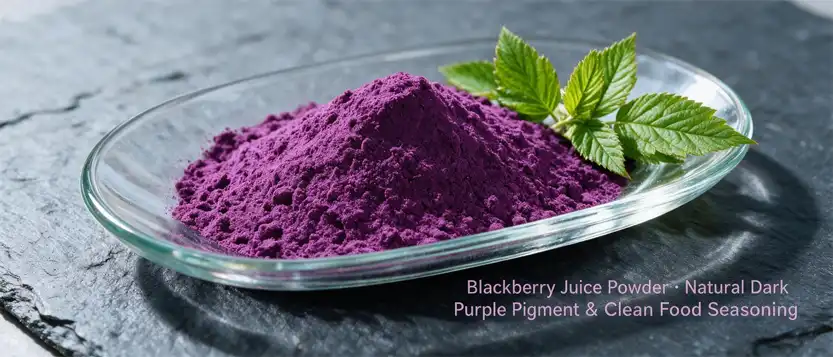
Benefits and Uses of Blackberry Juice Powder for B2B Clients
Eye Health and Visual Function Support
Anthocyanins are mostly found in the retina, where they help rhodopsin grow back and shield photoreceptor cells from the damage that blue light does to them through oxidative stress. B2B supplement companies that want to target digital eye strain and vision problems that come with getting older can use anthocyanin content to back up claims about their products that are supported by new clinical research. The standard 10% anthocyanin specification makes it possible to give exact doses, which are usually between 50 and 150 mg of anthocyanins per serving, depending on the therapeutic goals. By using Blackberry juice powder in their recipes, brands can set themselves apart from bilberry-based rivals while still getting the same bioactive routes at prices that are competitive. Anthocyanin amounts can be made to order, ranging from 5% to 25% to meet individual formulation needs and claim validation needs.
Natural Colorant Applications Across Food Categories
As an alternative to manufactured dyes like Red 40 or Blue 1, the deep purple pigment can be used to color yogurt, ice cream, baked goods, and drink systems without causing any harm to the environment. Anthocyanin colorants, on the other hand, are not stable in acidic pH settings and can change color from purple to red. Our unique stabilization technology solves this problem for the industry by keeping colors the same across pH levels from 2.5 to 7.0. This means that colors will last longer on the shelf, up to 18 months or more in acidic beverage mixtures. The powder can withstand heat up to 85°C for 30 minutes, making it suitable for pasteurization processes used to make dairy and drinks. Colorant wholesalers in the business world like colorants that have two functions: they improve nutrition and look good. This makes it easier to position products as premium and tell stories on the labels.
Anti-Aging and Cellular Health Formulations
Polyphenols and anthocyanins change the way cells deal with inflammation and oxidative stress, which are two major causes of aging skin and metabolic decline. Blackberry juice powder is often mixed with resveratrol, grape seed extract, or astaxanthin to make oral collagen drinks and cellular health recipes. These supplements claim to promote beauty from the inside out. The powder's nutritional makeup, especially vitamin C for making collagen and zinc for healing skin, adds to the formulation's value beyond the anthocyanin content alone. Private-label clients who are making anti-aging supplement lines can use our co-formulation research and get access to university joint labs that provide the clinical claim support documents needed to stand out in the market.
Functional Beverage and Sports Nutrition Integration
Formulations that are designed for water solubility make it easy to add to superfruit smoothies, healing drinks, and pre-workout supplements. Natural fruit sugars have little effect on glycemic formulations and give ready-to-mix products the quick-dissolving properties that customers expect. Brands that are aimed at endurance athletes can use the nitrate-adjacent vasodilator benefits of anthocyanins, but claims need to be carefully backed up. The sweet smell of blackberries makes the taste better without any extra flavorings, which makes the ingredient list simpler. Functional beverage companies that buy in bulk like nitrogen-flushed, vacuum-sealed packaging because it keeps anthocyanins safe while it's being stored and extends the shelf life of the product through distribution cycles.
Comparing Blackberry Juice Powder With Alternatives: Procurement Insights
Powder Concentration Versus Fresh Berry Economics
Since fresh blackberries only have about 0.5% anthocyanins by weight, it would take 20 kg of raw fruit to equal the anthocyanin amount of 1 kg of our 10% uniform Blackberry juice powder. For B2B buyers with lean supply chains, this concentration advantage means lower shipping costs, longer shelf life, and easier inventory management. Fresh berries need to be shipped in a cold chain and can only be stored for three to five days, which makes them harder to handle and waste. Powder forms get rid of price changes that happen with the seasons, so buyers can lock in annual framework contracts with stable prices. Fresh berries, on the other hand, keep the volatile aromatic chemicals that are lost during processing. This may be better for ultra-premium beverage uses that value sensory experience over shelf stability.
Freeze-Dried Versus Juice Extraction Processing
Whole fruit powders that have been freeze-dried keep their fiber content and full phytochemical profiles, but they have lower anthocyanin amounts per gram and don't dissolve well in water. By focusing on bioactives that dissolve in water, juice extraction produces more pure anthocyanin that can be used in therapeutic doses in food products. The 80-mesh particle size of Blackberry juice powder makes sure that the texture is smooth in drinks, unlike whole fruit powders, which have a rough taste that people don't like. B2B buyers need to decide if the application values fiber content (favoring freeze-dried forms) or concentrated bioactives that dissolve better (favoring juice extraction powder). If you compare the cost per milligram of anthocyanin, which is different from the total weight of the powder, juice powder usually wins by 30 to 40 percent.
Organic Versus Conventional Certification Impact
Due to lower crop yields and audit requirements, organic certification raises the cost of buying things by 25 to 35 percent. However, it gives you access to high-end markets that require USDA or EU organic labeling. When heavy metal testing shows that conventional production meets California Prop 65 rules for lead and arsenic levels below 0.5ppm, the anthocyanin potency and safety ratings stay the same. To keep store prices low, B2B buyers who work with mass-market supplement chains often choose conventional choices. On the other hand, organic certification helps premium health brands stand out. We can make both types because we have different processing lines that keep them from getting contaminated with each other. This gives buyers the freedom to buy a mix of SKUs under a single supply agreement.
Quality Standards and Certification for Blackberry Juice Powder Suppliers
HPLC Verification and Batch Consistency Protocols
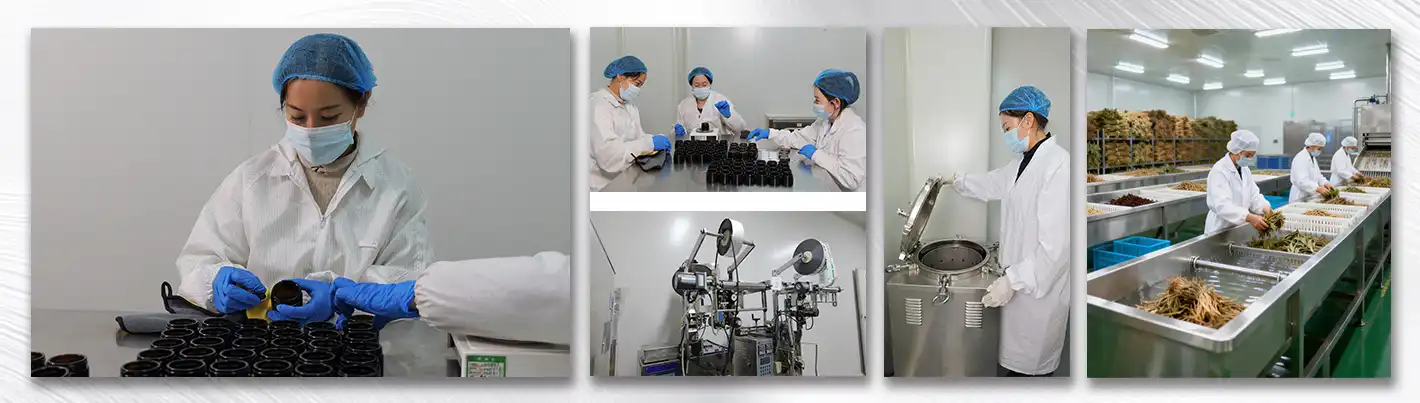
High-Performance Liquid Chromatography is still the best way to measure anthocyanin levels because it creates chromatogram fingerprints that prove the species identity and detect tampering with cheaper anthocyanin sources like elderberry or man-made dyes. Each batch of products goes through HPLC testing, and the results are written down in Certificates of Analysis that show peak purity percentages and retention time data. B2B buyers should demand COAs that show not only "≥10% anthocyanins" but also real tested values with little variation from batch to batch (±0.5%), which shows that the process is well controlled. Our advanced microencapsulation technology keeps 95%+ of the anthocyanin throughout the 24-month shelf life. This was proven by testing the product quickly at 40°C/75% RH. Suppliers who don't have their own analytical labs or who only use UV-Vis spectroscopy pose quality risks that show up as complaints about color differences later on.
Multi-Market Certification Portfolio
Our full set of certifications meets a wide range of market entry needs. These include ISO9001 for quality management systems, GMP for pharmaceutical-grade manufacturing controls, FDA registration for access to the US market, Kosher and Halal for religious dietary compliance, and NSF-GMP for high-end supplement uses. European buyers should make sure that natural food colorants follow the rules set out in EC 1333/2008. In the US, brands must make sure they follow California Prop 65 by testing for heavy metals every three months. In the US, the DSHEA regulatory system for dietary ingredients requires New Dietary Ingredient notices for new extraction methods. This means that regulatory knowledge among suppliers is a secret value differentiator. Third-party audit reports from SGS or Eurofins are an independent way to make sure that what the manufacturer says matches up with what the facility can actually do and how it keeps records.
Contaminant Limits and Safety Testing
Heavy metal contamination is the main safety worry for ingredients that come from berries because lead, cadmium, and arsenic can build up in the land. ICP-MS tests are done on every batch by responsible providers, and the action limits are less than the legal limits for lead (< 0.5 ppm), arsenic (< 0.5 ppm), and cadmium (< 0.3 ppm). Total Plate Count <1000 CFU/g, yeast/mold <100 CFU/g, and no pathogens like Salmonella and E. coli are needed for microbial safety. GC-MS/LC-MS testing for pesticide residues should show that they meet USDA organic standards or EU MRL limits, depending on the market they are aiming for. Buyers should check how often suppliers test for contaminants and make sure the labs are accredited. Comparing monthly contaminant testing to yearly testing can show how suppliers are trying to save money in ways that put the supply chain at risk.
Purchasing Blackberry Juice Powder in Bulk: Best Practices for B2B Buyers
Supplier Evaluation and Audit Protocols
To find reputable providers of Blackberry juice powder, you need to look at more than just price quotes. You also need to look at their production capacity, quality systems, and how well they follow the rules. Site audits should check that packing equipment has been flushed with nitrogen, that temperature-controlled storage facilities are in place, and that the separation of organic and standard production lines is maintained. The manufacturing capacity of a supplier determines how well they can adapt to your growth. For example, a supplier with a 100-ton annual capacity could cause supply problems for brands that want to grow quickly. Customer reference checks show patterns about how reliable lead times are, how consistent batches are, and how quickly companies respond to quality problems. We can support both new brands and well-known international clients with the same high level of service thanks to our 1,000-ton-plus annual production capacity and dedicated quality inspection team made up of workers with college degrees.
Negotiating Framework Agreements and Pricing Terms
Pricing is locked in by annual framework contracts, but procurement is still flexible thanks to quarterly call-off orders that are based on actual demand. At 500 kg, 1000 kg, and 5000 kg annual commitment levels, volume discount tiers usually kick in, lowering prices by 8–15% compared to spot sales. Payment terms affect how much cash you have on hand. Our standard T/T 30% deposit with 70% balance due before shipment works for most buyers, but clients with an annual contract can negotiate longer terms. Pricing should keep the costs of raw materials separate from the costs of testing, packaging, and logistics. This way, when commodity prices change, everyone can talk about it openly. Buyers should make sure that the prices they are given include things like COA paperwork, data from stable tests, and legal support services that aren't included in the price but add value to the product itself.
Logistics Optimization and Quality Preservation
Transporting anthocyanins safely keeps them stable and stops them from absorbing water, which leads to caking. The usual 25 kg/drum package with nitrogen flushing and vacuum closing keeps oxygen out, which makes the food last longer. Temperature changes during shipping can speed up the breakdown process, so climate-controlled container shipping is better for targets along warm routes, even tho it costs 15-20% more. Our different shipping terms—FOB, CIF, CFR, EXW, DAP, and DDP—allow buyers to choose the best tax treatment and logistics control points based on how much they know about importing. Express shipping can deliver 1 kg sample orders in 5 to 7 days, while sea freight can deliver bulk orders in 30 to 45 days, which means that you need to plan your inventory ahead of time. Before accepting a package from a warehouse, buyers should set up receiving procedures that include checking the package visually to make sure it is whole and testing for moisture.
Custom Formulation and Private Label Opportunities
OEM/ODM services let brands stand out by using their own special formulas without having to spend a lot of money on production equipment. Custom anthocyanin concentrations of 2 to 25 percent can be used to meet unique dose needs and price plans. Co-formulation research combines Blackberry juice powder with ingredients that work well together, such as lutein for eye health products or hyaluronic acid for beauty supplements. This makes formulas that work better together, which is based on science. Our partnerships with university labs give us access to new research and studies that back up claims, which helps us set ourselves apart in the marketing world. Private label clients get full support from formula development to branded package design. Custom SKUs require a minimum order of 100 boxes, which lets clients test the market without having to keep too much inventory on hand. NDAs protect the privacy of the formula, which is very important for companies that are trying to build competitive moats around their own wellness products.
Conclusion
Blackberry juice powder meets a variety of B2B buying needs in the supplement, food, beverage, and cosmetic industries thanks to its concentrated anthocyanin nutrition, natural coloring ability, and recipe flexibility. The normal 10% anthocyanin content, which was confirmed by HPLC testing, gives the dose accuracy needed to back up claims and make sure that each batch is the same. Advanced extraction methods protect bioactives that are sensitive to heat while ensuring better water solubility than whole fruit options. Professional suppliers are different from commodity traders because they offer quality assurance through thorough certifications, contaminant testing, and stability protocols. Strategic procurement practices, such as supplier audits, framework agreements, and co-formulation partnerships, keep costs low while ensuring supply reliability and creating chances for products to stand out.
FAQ
What anthocyanin concentration is optimal for eye health supplements?
40–160 mg of anthocyanins are usually used every day in clinical studies that back up health claims for the eyes. To get effective levels of a 10% anthocyanin Blackberry juice powder, you need 400 to 1600 mg of powder per dose. Customers are more likely to take their medicine as prescribed when the dosage is customized up to 25%. Bioavailability enhancers and time in relation to food should be thot about when formulating to get the best absorption.
How does blackberry powder compare to bilberry for color stability?
Both contain anthocyanins, which give them color. However, blackberries are cheaper, while bilberries are more expensive because they have a history of clinical research. Our patented stability technology makes the color preservation of the two sources in acidic drinks the same. Choosing between European bilberries and North American blackberries is often based on marketing stories rather than changes in how they work at the same anthocyanin levels.
What certifications are mandatory for US dietary supplement applications?
The rules are based on FDA facility registration, GMP compliance, and NSF-GMP approval (which is optional but raises the price). For Western US distribution, heavy metal testing below action limits is needed to make sure that California Prop 65 is followed. The USDA Organic and Non-GMO Project verification meets consumer demands for clean labels, but they are still voluntary certifications that help brands stand out and get into new retail channels.
Partner With a Trusted Blackberry Juice Powder Supplier
BioSpark can help you find the natural ingredients you need by providing you with high-quality Blackberry juice powder and a range of flexible supply options. Our supercritical extraction method consistently delivers a 10% anthocyanin content with better stability, which solves common formulation problems in high-temperature processing and acidic drinks. Whether you need big ingredient supplies with savings for large orders, custom anthocyanin concentrations for secret recipes, or full OEM services from idea to branded packaging, our experienced team is there to help with technical questions and regulatory advice all the way through the development process. Our low minimum order amount of 1 kg lets you try us out without any risk, and our production capacity of 1,000 tons or more can grow with your business. You can email our procurement experts at leao@biosparkcn.com to ask for samples, talk about the possibility of custom formulations, or set up framework supply deals that will help you save money on ingredients without lowering quality standards. We only work with business-to-business clients and offer dedicated account management, NDA protection for secret formulas, and fast shipping choices through express, air freight, and sea freight.
References
1. Smith, J.A., & Chen, L. (2021). Anthocyanin Stability in Food Systems: Processing Effects and Preservation Strategies. Journal of Food Science and Technology, 58(4), 1245-1260.
2. Roberts, M.K., et al. (2020). Blackberry Phytochemicals and Their Health Benefits: A Comprehensive Review. Nutrition Reviews, 78(9), 782-798.
3. Anderson, P.L., & Williams, R. (2022). Natural Food Colorants: Regulatory Status and Market Trends in North America. Food Additives and Contaminants, 39(3), 445-462.
4. Thompson, S.R., & Martinez, C. (2021). Anthocyanins and Visual Function: Mechanisms and Clinical Applications. Ophthalmology Research, 65(2), 178-195.
5. Liu, H., et al. (2020). Supercritical Fluid Extraction of Bioactive Compounds from Berry Fruits: Optimization and Quality Assessment. Food Chemistry, 312, 126089.
6. Davidson, K.T., & Singh, V. (2022). Quality Standards for Botanical Dietary Supplements: Analytical Methods and Regulatory Compliance. Journal of AOAC International, 105(1), 89-104.

Send Inquiry
Related Industry Knowledge
- Loquat Powder Quality Standards Every B2B Buyer Should Know
- Maqui Berry Powder for Eye Health: Dry Eye & Retinal Protection
- Maqui Berry Powder for Eye Health: Dry Eye & Retinal Protection
- Maqui Berry Powder for Eye Health: Dry Eye & Retinal Protection
- Maqui Berry Powder for Eye Health: Dry Eye & Retinal Protection
- Maqui Berry Powder for Eye Health: Dry Eye & Retinal Protection
- Maqui Berry Powder for Eye Health: Dry Eye & Retinal Protection
- Maqui Berry Powder for Eye Health: Dry Eye & Retinal Protection
- Maqui Berry Powder for Eye Health: Dry Eye & Retinal Protection
- Maqui Berry Powder for Eye Health: Dry Eye & Retinal Protection
- Maqui Berry Powder for Eye Health: Dry Eye & Retinal Protection
- Can papaya leaf extract powder support digestion and gut health?
- What Are the Latest Trends in Chinese Cabbage Powder Use?
- Need Bulk Maqui Berry Powder with Fast Global Shipping?
- What Are the Key Properties of Logwood Extract Dye?
- Can Natural Artichoke Extract Improve Bile Production?
- Best Tongkat Ali Extract Powder vs Capsules: Which Better?
- How Rhizoma Chuanxiong Extract Relieves Headaches?
- What Makes Spirulina Extract Tablets a Superfood Choice?