_1764041963888.webp)
Yam Juice Powder Import Guide: Quality, Documents and Costs
Aug 17, 2026
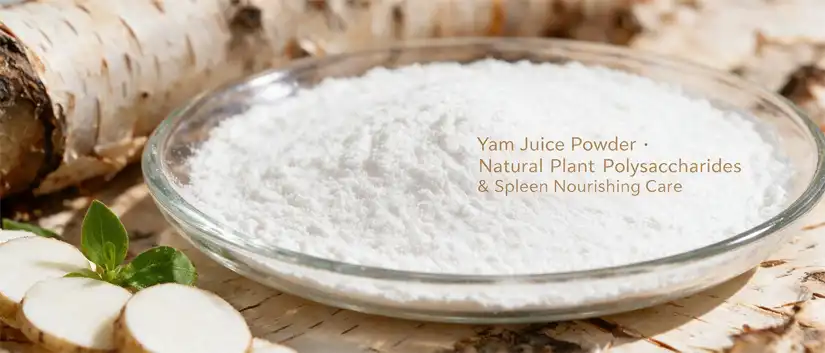
Importing yam juice powder into the United States requires careful attention to quality verification, regulatory documentation, and cost management. This comprehensive guide walks you through the critical factors that determine the successful procurement of premium yam polysaccharide-rich ingredients sourced from China. Whether you're formulating functional beverages, dietary supplements, infant nutrition products, or skincare formulations, understanding these important fundamentals protects your investment and ensures compliance. Our yam juice powder, standardized to 50% polysaccharide content through UV testing, represents a clean-label solution that meets FDA registration standards while delivering exceptional water solubility and nutritional integrity for diverse industrial applications.
Essential Import Documentation and Regulatory Compliance
Clearing customs and following the law depend on having all the necessary paperwork ready. If you know what these requirements are, you can avoid costly delays and the possibility that your package will be turned down at US ports of entry.
Core Import Documents
Specific documentation is needed for each shipment of Yam juice powder. The business invoice must include information about the product's details, such as the amount, unit price, overall value, and percentage of polysaccharide; it must also include Incoterms that make it clear where duty ends. A complete packing list lists the contents of each container, as well as its gross and net weights and an identification number for each drum so that it can be tracked. The bill of lading is the shipping statement and ownership document. It lists the duties of the shipper, the consignee, and the carrier. A certificate of origin, ideally one from the China Chamber of Commerce, proves where the goods were made and may change how duties are calculated under trade deals. Phytosanitary permits from China's quarantine officials show that the product meets the country's plant health standards. However, processed herbal extracts usually don't have to follow as many rules as raw farm goods.
FDA Compliance Requirements
Imports of yam powder are controlled by FDA rules as either food products or dietary supplements, based on what they are meant to be used for. For express courier or air freight shipments, the prior notice must be sent through the FDA Prior Notice System at least two hours before they arrive. Accountability is set up by facility registration that covers both the producer and the US supplier. According to FDA rules, nutrition labels for products must correctly list yam polysaccharide or yam extract on their ingredient panels. If you are selling new health claims that aren't backed up by standard use proof, you may need to send out a New Dietary Ingredient notice. Importers should make sure that their Chinese supplier stays registered with the FDA under the Foreign Supplier Verification Program. This shows that the supplier is following US safety standards.
Tariff Classification and Duties
The duty rates that apply are based on the correct Harmonized Tariff Schedule classification. Yam juice powder is typically classified as a vegetable extract under HTS code 1302.19.91, which has a duty rate of 0% to 3.2% depending on the specific classification details. Misclassification leads to fines from customs, delays in clearance, and even seizure. Talking to a qualified customs broker who knows about importing botanical extracts is the best way to make sure that the right paperwork and labeling are done. Some buyers benefit from using Foreign Trade Zones because they can put off paying duties on goods until they enter US trade or get rid of duties on finished goods that are re-exported. Figuring out these tariff effects lets you do accurate landed cost calculations that help you set prices and negotiate with suppliers.
Cost Factors in Importing Yam Juice Powder
Transparent cost analysis helps people make smart decisions about what to buy and how much it will cost. The total landed cost of yam polysaccharide ingredients is not the same as the FOB price that suppliers give. It depends on a number of factors.
Raw Material and Processing Costs
The cost of farming inputs, the effectiveness of extraction, and the standard grade all affect the price of Yam juice powder. Standard specifications for 50% polysaccharide usually range from $18 to $32 per kilogram FOB Shanghai. Prices depend on the time of year, the quality of the raw materials, and the size of the order. Custom polysaccharide concentrations, like 30% for infant formula or 70% for therapeutic supplements, cost more because they require more processing steps. Higher farming costs and certification fees make organic certification cost an extra $8 to $15 per kilogram. Optimizing the solubility in water for use in beverages may cost more in handling fees. When a supplier offers 25-kilogram fiber drums with nitrogen-flushed aluminum foil lining, they usually include the cost of packaging. However, for private label uses, unique packaging configurations require separate quotes.
Freight, Insurance, and Handling
Landed costs are affected by international shipping in a big way. Shipping goods by sea from Shanghai to ports on the US West Coast costs between $1,800 and $2,800 per 20-foot container. A normal drum can hold about 10 metric tons of yam powder. Air freight costs between $4.50 and $7.00 per kilogram and is good for sending samples quickly or small items that weigh less than 100 kilos. For packages that weigh less than 25 kilograms, express courier services charge $12 to $18 per kilogram. Getting marine cargo insurance usually costs between 0.3% and 0.5% of the value of the goods. It protects against damage or loss while in transit. Customs processing, port handling, and inland transportation can add $300 to $800 to the cost of each shipment, based on where it is going and how much the customs broker charges. Because these factors have a big effect on prices per kilogram, shipping by ocean is the most cost-effective way to send goods over 500 kilograms.
Negotiation Strategies for Optimal Pricing
When you use strategic buying methods, you can cut costs without lowering quality. Annual framework contracts make sure that there is a steady supply and get savings of 8% to 15% on large purchases compared to buying on the spot. Flexible Incoterms selection helps spread costs more evenly. FOB terms reduce supplier markups but require importers to handle logistics, while DDP terms offer convenience at a higher cost. When you place repeated orders for the same product with the same supplier, you can often get better prices and lower logistics costs for each shipment. When negotiating payment terms, it's important to find a balance between the supplier's worries about cash flow and the importer's concerns about risk management. One way to get better rates is to offer a 30% deposit and the remaining 70% to be paid against copies of the bill of lading. Testing a sample before committing to a large amount of it stops expensive quality disputes and costs for remaking the product.
Selecting Reliable Yam Juice Powder Suppliers and Manufacturers
Picking the right Yam juice powder supplier has a direct effect on the regularity of the product, following the rules, and the long-term security of the supply chain. Comprehensive evaluation criteria protect against problems with quality and delays in delivery.
Production Capacity and Technical Capabilities
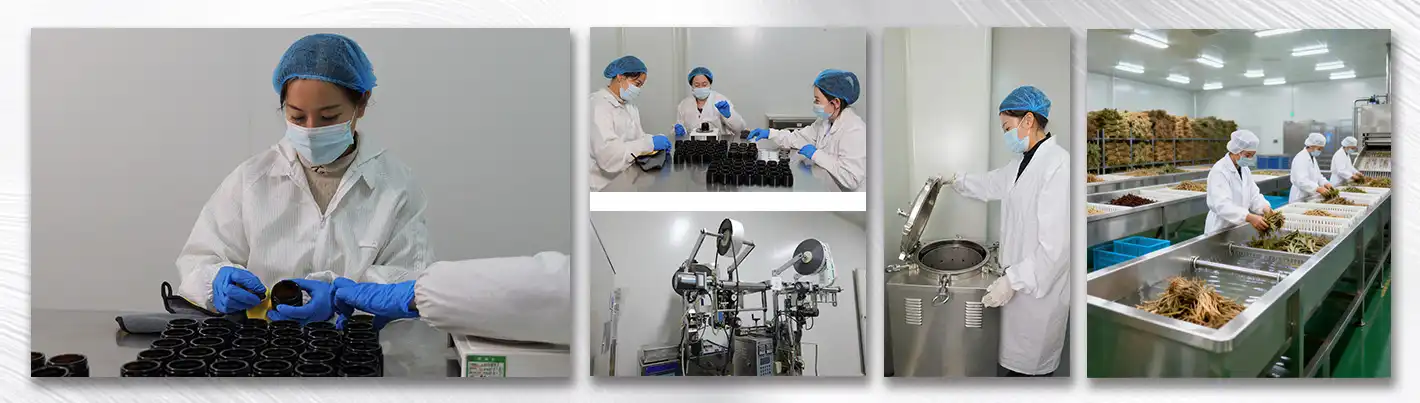
Check to see if potential suppliers keep enough inventory and production capacity for the amount of work you need. We keep over 1,000 tons of raw yam material on hand to make sure we always have a supply, even when the seasons change or there are problems in the farming industry. We use a 5A-grade production plant that uses gentle water extraction, multi-stage precision filtration, and low-temperature vacuum concentration to keep the heat-sensitive mucilaginous polysaccharides that give yam its useful qualities. Our 30-person research team works in three specialized centers and can do more than just basic extraction. They can change the concentration of polysaccharides to fit your needs, mix them with probiotics or botanical extracts, and test their stability to back up health claims. OEM and ODM services can handle a wide range of product formats, such as capsules, gummies, powders, and oral liquids. This makes supply chains easier for brands that want turnkey solutions.
Quality Assurance and Traceability
Full-quality systems tell the difference between trustworthy suppliers and traders who are just looking for a quick buck. Full-chain quality control, from growing the crops to packing them, makes sure that the carbohydrate content stays the same and that contaminants are kept under control. Batch tracking systems that connect lot numbers of finished goods to specific farming sources make it possible to respond quickly to quality investigations. Instead of relying only on old certificates, certification bodies should do regular third-party audits to make sure that ISO9001, GMP, and organic standards are still being met. A clear Certificate of Analysis is included with every package. This includes measuring polysaccharides, testing for microbes, and checking for heavy metals. This shows that the company is committed to quality and openness. Suppliers who offer 23% more efficient polysaccharide extraction through partnerships with university labs bring new technologies that raise the value above the price of commodities.
Communication and Cultural Considerations
Clear communication methods are needed for cross-border cooperation to work well. Setting up dedicated account managers who speak English as their first language and are familiar with US regulatory requirements helps avoid confusion about requirements and compliance. Reasonable reaction times to questions—ideally within 12 hours to account for differences in time zones—make it easier to solve problems quickly. The ability to execute NDAs saves brands that are making unique supplement or beverage goods by keeping their secret formulas safe. When suppliers know about US procurement cycles, like quarterly planning horizons and fiscal year budgeting, they can make framework agreements that fit with when clients need to make decisions. Sample evaluation programs that offer 1-kilogram trial quantities with fast delivery let formulation compatibility be checked before committing to bulk quantities. This lowers the financial risk during the supplier qualification process.
Practical Tips on Using Yam Juice Powder for B2B Applications
Understanding the right way to handle, store, and incorporate yam polysaccharide ingredients into a formulation is important for getting the most out of their useful qualities.
Formulation Integration Best Practices
Because Yam juice powder dissolves easily in water, it can be easily added to different mixtures. For use in drinks, mix the powder with water at room temperature while stirring it around a little. The powder will dissolve completely in 90 to 120 seconds, leaving behind slightly thick solutions made of mucilaginous polysaccharides. This natural ability to thicken makes nutritional drinks and meal replacement shakes feel better in the mouth without the need for extra hydrocolloids. For digestive health purposes, yam powder mixes easily with other plant products and fillers in supplement pills. Typical amounts for each capsule are 200 to 500 milligrams. Formulations for infant nutrition work better with custom 30% polysaccharide specifications that work well with rice cereal bases and milk powder. These provide gentle nutritional support. Because it has allantoin, yam powder is useful in skin care creams and serums at 1% to 3% inclusion rates. Particles with a 100-mesh size make the texture smooth and help the product penetrate deeper into the skin.
Storage and Shelf Life Management
The quality of the product stays the same for two years as long as it is stored properly. Keep 25-kilogram fiber drums that haven't been opened out of direct sunlight and away from moisture in climate-controlled spaces between 15°C and 25°C. Once opened, move any leftover parts to airtight containers and, if possible, flush with nitrogen to slow down oxidative breakdown. Because yam polysaccharides are hygroscopic, it is very important to keep the humidity under control. To keep powder from caking, storage areas should keep the relative humidity below 60%. To keep things as fresh as possible, use a first-in, first-out product change based on when they were made. Every six months, quality checks that look at the polysaccharide strength and moisture content find any signs of breakdown before they affect how well the end product works. These steps will protect your brand's reputation and make sure that formulation results are always the same.
Innovative Application Development
Yam juice powder can be used in many different ways, which lets people come up with new products. Functional beverage formulators use the natural ability to thicken to make shakes and protein drinks that don't contain any artificial thickeners. Bakery ingredient suppliers add yam powder to healthy bread, steamed buns, and noodles at rates of 2% to 5%. This increases the nutritional value and improves the texture. Skincare companies make healing serums that are soothing by mixing allantoin from yam powder with hyaluronic acid and vitamins from plants. Manufacturers of digestive health supplements mix yam polysaccharides with probiotics and prebiotics to make products that are good for your gut and have a history of traditional use. These uses show that the ingredient has business promise in a wide range of fields.
Conclusion
To successfully import Yam juice powder, you need to find a balance between quality control, following the rules, managing costs, and building relationships with suppliers. Premium yam polysaccharide ingredients that have been tested and found to be 50% concentration work the same way in all uses, such as beverages, supplements, nutrition, and skin care. Full paperwork, like FDA registration, GMP certification, and COA transparency, makes sure that customs clearance goes smoothly and that regulations are followed. Knowing the whole cost structure, from FOB prices to freight, insurance, and duties, helps you make accurate budget predictions and negotiate in a smart way. Long-term supply chain security is maintained by choosing providers with proven production capacity, quality systems, and technical skills. Using the right storage and preparation techniques will improve the performance of the ingredients and extend the shelf life of the final product. As the clean-label movement increases the need for natural, useful ingredients, yam powder is an answer that has been proven to work by science. It combines traditional plant knowledge with modern processing standards. By using the tips in this guide, buying professionals will be able to confidently handle the import process and get reliable access to this versatile ingredient for making new products.
FAQ
What documentation is required for importing yam juice powder into the United States?
Important papers include commercial invoices with product details, packing lists with what's inside the container, bills of lading that prove ownership of the package, certificates of origin that show where the goods were made, and phytosanitary certificates that show plants are healthy. Before arriving, you have to send a notice to the FDA, and suppliers should include Certificates of Analysis with every shipment of Yam juice powder that show the polysaccharide content, microbial testing, and heavy metal screening.
How can I verify the authenticity of a yam juice powder supplier and the product quality?
Use independent certification body records to make sure that providers' FDA registration, ISO9001, and GMP certifications are still valid. Get independent lab tests from reputable companies like SGS or Eurofins that prove the polysaccharide amount using UV spectrophotometry. Before committing to a large order, check sample batches to see if they dissolve in water, have consistent particle sizes, and don't have any unpleasant smells. Do audits of your suppliers or look over recent audit reports that describe the conditions of your facility and your quality systems.
Are there regulatory restrictions or safety concerns with yam polysaccharide ingredients?
Because they have been used in food for a long time, yam products are usually considered GRAS. To follow California Prop 65, heavy metal testing must show that lead levels are below 0.5 ppm and arsenic levels are below 0.2 ppm. When marketing new health claims besides digestive and kidney support, new dietary ingredient notifications may apply. Labels that correctly identify yam extract or yam polysaccharide keep customers from getting false information. When strict microbiological standards are met, established safety ratings back the use in the nutrition of babies and the elderly.
Partner with BioSpark for Certified Yam Juice Powder Supply
Are you ready to get reliable access to high-quality Yam juice powder polysaccharide products that you can use in your recipes? BioSpark is a leader in the production of premium Yam juice powder that is defined to contain 50% polysaccharides through stringent UV testing. Our FDA-registered and GMP-certified facility keeps more than 1,000 tons of stock on hand to ensure a steady supply. Our 30-person research team helps with custom formulation for nutrition, supplements, and drinks. We have a flexible MOQ that starts at just 1 kilogram for testing samples, and we deliver everything in 10 days as standard. We also provide full COA documentation. We sign non-disclosure agreements (NDAs) to protect your secret recipes and offer full legal support for US market compliance as a reliable provider of Yam juice powder. Email our team at leao@biosparkcn.com to talk about your specific needs and ask for sample shipments that show how committed we are to quality and service excellence.
References
1. Chen, H.L., et al. (2019). "Polysaccharide Composition and Bioactive Properties of Dioscorea opposita: A Review of Extraction Methods and Quality Parameters." Journal of Food Science and Technology, 56(8), 3621-3632.
2. United States Food and Drug Administration. (2021). "Compliance Policy Guide Sec. 555.875: Water Activity of Foods - Import and Domestic." FDA Regulatory Guidelines for Botanical Ingredients.
3. Zhang, Y. & Li, M. (2020). "Quality Control Strategies for Yam-Based Dietary Supplements: Analytical Methods and Regulatory Considerations." Pharmaceutical Biology, 58(1), 847-856.
4. International Trade Centre. (2022). "Tariff Classification and Import Procedures for Botanical Extracts: A Practical Guide for Importers." ITC Technical Paper Series.
5. Liu, J., et al. (2018). "Functional Properties of Yam Mucilage Polysaccharides in Food Applications: Solubility, Viscosity and Digestibility Profiles." Food Hydrocolloids, 82, 219-228.
6. US Customs and Border Protection. (2023). "Import Requirements for Processed Plant-Based Ingredients: Documentation and Compliance Standards." CBP Import Trade Guidelines.

Send Inquiry
Related Industry Knowledge
- Coconut Milk Extract Powder: The Ultimate Plant-Based Dairy Swap
- Coconut Milk Extract Powder: The Ultimate Plant-Based Dairy Swap
- Coconut Milk Extract Powder: The Ultimate Plant-Based Dairy Swap
- Coconut Milk Extract Powder: The Ultimate Plant-Based Dairy Swap
- Coconut Milk Extract Powder: The Ultimate Plant-Based Dairy Swap
- Coconut Milk Extract Powder: The Ultimate Plant-Based Dairy Swap
- Coconut Milk Extract Powder: The Ultimate Plant-Based Dairy Swap
- Coconut Milk Extract Powder: The Ultimate Plant-Based Dairy Swap
- Coconut Milk Extract Powder: The Ultimate Plant-Based Dairy Swap
- How to use the best Tongkat Ali extract powder for maximum results?
- Why Do Health Experts Recommend Broccoli Extract Powder?
- Miltiorrhiza Root Extract Powder Uses: What Is It Good For?
- What Are the Uses of Egg Yolk Fruit Powder in Foods?
- Want Reliable Holy Berry Powder Manufacturer for Bulk Orders?
- Could Maqui Berry Powder Boost Your Antioxidant Products?
- What are the benefits of freeze-dried longan powder?
- Is Echinacea Extract Powder the Best Immune Herbal Extract?
- Ganoderma Extract Powder Trends for 2026 Health Markets