_1764041963888.webp)
Why Use Green Plum Powder in Functional Food Formulas?
Aug 14, 2026
Green plum powder has emerged as a transformative ingredient for functional food manufacturers seeking natural, health-focused solutions. Modern low-temperature methods, set between 40°C and 45°C, are used to get this high-quality ingredient from Prunus mome. Still, more than 60% of it is citric acid. It also has malic acid, succinic acid, chlorogenic acid, and triterpenes like oleanolic acid that are useful. It always has a pH between 3.0 and 3.8, is a light yellowish-green color, and smells very sour. For these reasons, it's a great natural acidulant and a useful part of drinks, liver health vitamins, food spices, and new candy. This plant powder is being used in more and more goods because of the "clean label" trend and growing customer desire for ingredients that have been processed as little as possible.
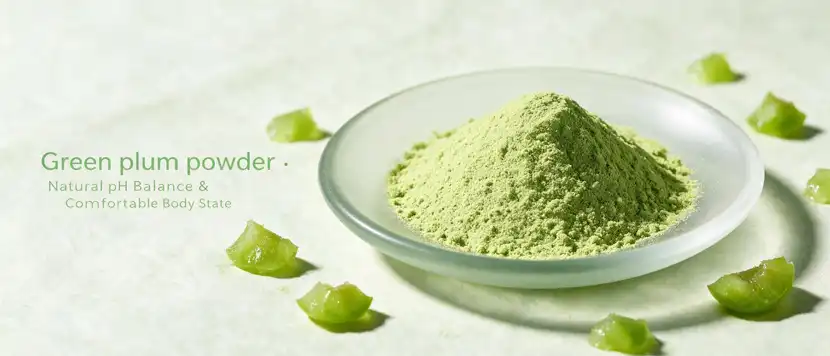
Introduction to Green Plum Powder and Its Role in Functional Foods
There is constant pressure on the functional food industry to provide natural ingredients that meet government standards and consumer needs. Green plum powder solves this problem by providing a plant-based answer that is based on traditional Asian health practices and is supported by current extraction science.
Botanical Origin and Production Excellence
It's also called the Japanese plum or the Chinese plum. Prunus mome has been grown in East Asia for a very long time and does well in the warm weather there. The not-quite-ripe fruit tastes good and is good for you because it is full of organic acids and chemicals that are good for you. In our production process, we use methods to remove plants that work best when the temperature is kept between 40°C and 45°C. In normal high-temperature processes, this would kill nutrition, but this keeps them alive. The polyphenols, flavonoids, and organic acid groups stay whole when you use this soft method.
The extraction process is based on four important rules: keep the acidity, keep the color, improve the taste, and get rid of the astringency. Heat cleaning is not the same as high-pressure processing (HPP). HPP can kill bacteria in food without changing its taste or nutritional value. Lastly, an 80-mesh fine powder is created. This powder mixes well with water but not so well with ethanol. Because of this, it's a great tool for making formulas.
Meeting Clean-Label and Health-Focused Demands
People today are more careful than ever before when they look over drug lists. They want to find natural products that will help them reach their health goals instead of added chemicals. This can be done with just one ingredient: prunus mome powder. It can be used instead of fake acidulants and adds real nutritional value. If the product is real, its light green color and sour smell are signs that it is of high quality and doesn't need any fake taste.
Companies that make functional drinks, healing vitamins, gut health products, and fancy foods can use this ingredient because it can do more than one thing. As a natural acidulant, taste enhancer, color provider, and source of bioactive compounds, it can all be used in the same recipe. Being able to do more than one thing makes making things easier and backs up clean-label claims that people who care about their health like.
Nutritional and Functional Benefits of Green Plum Powder
Knowing this ingredient's full nutritional profile helps people who make products get the most out of it in functional food mixes.
Rich Organic Acid Complex
With amounts above 60%, the main active ingredient is made up of organic acids, estimated as citric acid. This amazing amount is on par with synthetic acidulants and adds more compounds, such as malic acid and succinic acid. Through the tricarboxylic acid cycle, these organic acids help the body's metabolism. They help cells make energy and reduce fatigue caused by exercise by breaking down lactic acid.
Because it is naturally acidic, Green plum powder can be used in place of lemon juice concentrate or vinegar in fancy sauces, marinades, and salad dressings. The complex acid profile, unlike single-component synthetic acids, makes a round, long-lasting tartness that brings out other flavor notes instead of drowning them out. Food scientists like how this level of complexity lets them come up with ways to cut down on salt without affecting taste.
Antioxidant and Cellular Protection
The powder also has a lot of chlorogenic acid, flavonoids, and triterpenes, in addition to organic acids. Chlorogenic acid is very good at getting rid of free radicals, which protects cell structures from oxidative stress. In food uses, this trait makes it last longer, and in supplement formulations, it helps support claims of anti-aging and cellular health.
Peer-reviewed research has shown that flavonoids in the extract help to modulate the immune system and reduce inflammation. These chemicals work with other phytochemicals to make protective benefits that are stronger or more effective. Product makers who are making drinks or supplements to boost the immune system can use these naturally occurring substances instead of separate synthetic antioxidants.
Hepatoprotective Properties
One thing that makes this ingredient stand out is that it contains oleanolic acid. Clinical tests have shown that oleanolic acid saves the liver from damage caused by chemicals and helps hepatocytes grow back. Because of this, Prunus mume powder is very useful for making liver health supplements for the growing detox and wellness markets.
When making hepatoprotective pills, companies often look for ingredients that can be mixed with silymarin, curcumin, or other plants that are good for the liver. The standard extraction process makes sure that the levels of oleanolic acid are the same between batches. This makes it possible to confidently back up claims and make sure that the formula works every time. Brands that want to build clinical authority and customer trust through repeated good experiences need to be consistent in this way.
Digestive System Support
The organic acid content increases the production of saliva and gastric juices, which helps the digestive system work well and controls hunger. Because of this physiological reaction, the ingredient can be used in gut health products, especially those that help with rare indigestion or absorption of nutrients. Enzymes are released when something is naturally sour, which helps break down food components and makes processing more efficient.
Prunus mume has been known for a long time in traditional Asian medicine to help with digestion. These old ideas can now be used in new product forms, such as chewable pills, functional drinks, and probiotic combination vitamins, thanks to advances in formulation science. The standard pH range of 3.0 to 3.8 makes sure that performance is consistent across all formula matrices.
Comparing Green Plum Powder with Other Plum-Derived Ingredients
It's helpful for procurement teams to know how different processing methods and ingredient forms affect how well something works, how much it costs, and what kinds of uses it can be used for.
Powder Versus Extract Concentration
Liquid plum extracts have a high content, but they are hard to store, ship, and add to formulas. They need stabilizers, take up more space in the building, and add water to mixtures, which could make them less stable. Green plum powder, on the other hand, has concentrated bioactives and can be stored for up to 24 months if done correctly. The 80-mesh particle size ensures that the particles are well distributed and dissolved without the need for extra steps in the processing.
The normal organic acid content, which is found by using citric acid, lets you give the right amount and know exactly how the taste will change. The acidity and medicinal content of whole fruit powders change with the seasons, but the extraction and standardization method ensures that each batch is the same. Manufacturers who follow Good Manufacturing Practices and need validated specs to follow the rules can't do without this dependability.
Dried Plum Versus Standardized Extract
Dried plum powders still have some nutrients and fiber, but they don't have the concentrated bioactive makeup that functional foods need. They also add enzymes that cause browning and possible microbial problems that make managing the shelf life harder. The HPP non-thermal cleaning process we use to make our extract powder gets rid of these risks and concentrates the most valuable chemicals.
The extraction process gets rid of the sour and bitter flavors that can make dried fruit powders less useful in some situations. This improvement makes it possible for the ingredient to work well in drinks, sweets, and savory dishes without leaving bad aftertastes. Sensory testing consistently shows that processed fruit powders are better received by consumers than unprocessed fruit powders.
Organic Versus Conventional Quality Standards
Organic approval is appealing to high-end customers, but regular production methods can be just as safe and pure if they are mixed with strict quality control systems. Our factory has ISO9001, GMP, FDA, Kosher, and Halal certifications, which means that all of our products are of high quality, even if they are organic. Thin-Layer Chromatography tests make sure that each production batch has the right bioactive compound and the right amount of it.
When B2B buyers decide between organic and standard, they should think about the needs of their target market, how sensitive they are to price, and their need for approval. Both options give customers the functional benefits and clean-label appeal that make them want to buy. What makes them different is the rules that apply to certain markets and how they position their brands.
Procurement Insights: How to Select and Source Premium Green Plum Powder
To buy ingredients successfully, you need to look at providers from a number of different angles that affect both short-term production needs and the long-term viability of the relationship.
Essential Supplier Qualifications
A supplier's certification portfolio shows how committed they are to quality systems and their ability to get into new markets. Check to see if the facility has ISO9001 for quality control, GMP for making medicines, and any other necessary food safety certificates. Kosher and Halal licenses help businesses reach people who have to follow certain religious food rules. Being registered with the FDA shows that you are serious about serving the North American market in a way that follows all the rules.
Production capacity and inventory management are what set reliable partners apart from suppliers who only come on occasion. Facilities that keep more than 1,000 tons of stock can meet urgent orders and support yearly framework contracts without having to stop supplies. This level of inventory protects against changes in the availability of raw materials during different times of the year and lets prices stay the same, which makes budgeting easier.
Logistics and Order Flexibility
Minimum order numbers have a big effect on small brands and product makers who are trying out new recipes. Suppliers with a 1 kg MOQ allow for Green plum powder market testing and R&D before committing to large purchases. This adaptability speeds up the cycle of creation and lowers the risk of losing money during the product development stages.
The details of the packaging should match the needs of your business. Standard 25 kg drums work well for companies that make a lot of products and have set production schedules. For smaller operations, smaller amounts in aluminum composite bags with desiccant and nitrogen flushing keep the quality high. Knowing the different delivery terms (FOB, CIF, CFR, EXW, DAP, and DDP) helps you get the best total landing cost and makes it clear who is responsible for clearing customs and completing import paperwork.
Custom Formulation and OEM Capabilities
The best supplier ties include more than just providing basic ingredients. They also include co-development and private name manufacturing. With OEM and ODM, brands can outsource complicated production tasks while still keeping an eye on quality and protecting their intellectual property. Non-disclosure agreements keep secret formulas safe and give people legal options if their privacy is broken.
Customizing the pH level and changing the concentration of organic acids lets you get the best formula for your needs. For example, liver health supplements might need higher levels of oleanolic acid, while beverage uses might want specific acidity profiles that balance sourness with coolness. R&D teams that can co-formulate with plants that work well together, like silymarin or adaptogens, add strategic value that goes beyond just providing ingredients.
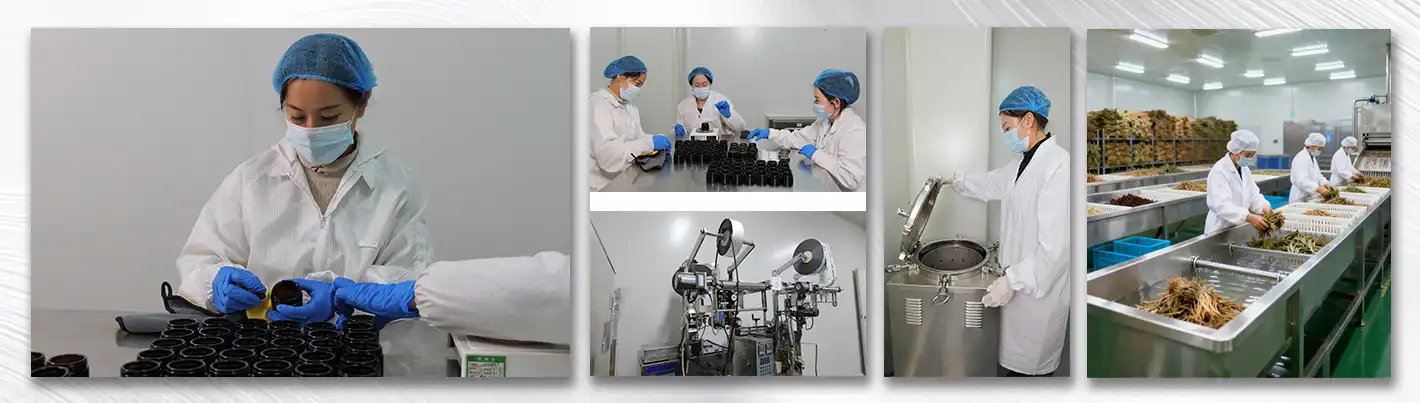
Integrating Green Plum Powder into Your Functional Food Formulas
Product developers can get practical advice on how to use ingredients in the best way possible and avoid common formulation mistakes by following this guide.
Dosage Guidelines and Usage Rates
Rates of effective incorporation depend on the application and the functionality that is wanted. Functional drinks usually use a Green plum powder content of 0.5 to 2% to get a noticeable taste and bioactive delivery without overpowering other flavors. Liver health products may use 200 to 500 mg per serving of oleanolic acid to give useful amounts backed up by evidence from long-term use.
Lower amounts (0.3–1%) are used in food seasoning to provide a natural acidulant effect while also making flavors more complex. Healthy snack recipes for sugar-free candies or chewable tablets usually have between 5 and 15 percent fruit flavor and health benefits. These ranges are starting places that need to be changed based on certain formula matrices and sensory goals.
Application Case Studies
A functional beverage company in California made a drink that contains electrolytes, branched-chain amino acids, and Prunus mume powder to help you recover after a workout. The natural organic acid content helped the lactic acid metabolism and gave the product a real taste that set it apart from competitors that used fake flavors. Tests with customers showed that they bought it again 23% more often than with their old synthetic acidulant recipe.
A company that makes supplements for liver health mixed purified extract powder with silymarin and N-acetyl cysteine to make pills. The oleanolic acid from Prunus mume works with other substances that help the liver to make a full liver support formula. Clinical comments from doctors and nurses showed that patients were more likely to take their supplements as prescribed because they didn't have the usual aftertastes.
Quality Control and Stability Considerations
For stability from batch to batch, testing methods must be set up in a way that checks both identity and potency. Thin-Layer Chromatography confirms the unique organic acid fingerprint, and pH testing makes sure the range of 3.0-3.8 is met. When you use standard tools to measure colors, you can see the light yellowish-green to green look, which means they were processed and stored correctly.
Testing for stability under fast conditions (high temperature and humidity) suggests how long something will last and shows possible ways it could go bad. Color, smell, and bioactive content stay the same for 24 months if stored properly in cool, dry places away from direct light. Oxidative breakdown of sensitive chemicals is slowed down by flushing them with nitrogen during packing.
Conclusion
Strategically adding Prunus mume powder gives functional food companies measurable benefits as they try to meet clean label requirements, make health-focused products, and stand out from the competition. The high concentration of organic acids in this ingredient—more than 60% citric acid—along with bioactive compounds like chlorogenic acid, flavonoids, and hepatoprotective oleanolic acid—makes it a versatile solution that makes formulation easier while also improving nutritional profiles. The advanced low-temperature extraction and HPP sterilization methods keep heat-sensitive compounds that regular methods destroy, making sure that the product is as bioavailable and enjoyable as possible. Finding Green plum powder is easy because it comes with a lot of certifications, a low minimum order quantity, and a reliable supply chain with a lot of stock. It lets people make new functional drinks, liver health supplements, natural seasonings, and healthy candies while also meeting changing government rules and consumer expectations.
FAQ
What are the primary health benefits of green plum powder in functional foods?
Because it is high in bioactive phytochemicals and rich in organic acids, Green plum powder has many health benefits. Citric acid, malic acid, and succinic acid help cells use energy and fight tiredness caused by exercise by making it easier for lactic acid to leave the body. Hepatoprotective benefits of oleanolic acid keep liver cells from getting damaged by chemicals and help them grow back. Flavonoids and chlorogenic acid work together to protect cells from toxic stress and boost the defense system. The natural acidity makes digestive juices come out, which is good for digestion and vitamin intake. Because of these benefits, it can be used in formulas that aim to improve metabolic health, liver health, gut health, and healing.
How can I verify supplier quality and authenticity?
Ask for all the paperwork, like ISO9001, GMP, FDA registration, and any other important food safety approvals. You should ask for Certificate of Analysis papers that show Thin-Layer Chromatography results that confirm bioactive chemical profiles and pH readings that are within the range of 3.0 to 3.8. Reliable suppliers give out sample amounts (at least 1 kg) so that you can test them on your own before buying in bulk. Check the amount of inventory and output ability to make sure the supply stays steady. See if the company offers OEM and ODM services, which are signs of a complex manufacturing system. Ask well-known functional food manufacturers for client references from people who can vouch for the quality of their technical support and batch consistency.
Is green plum powder suitable for vegan and allergen-free formulations?
Prunus mume fruit is the only plant source of this ingredient, so it is naturally vegan and can be used in vegetarian recipes. The extraction method doesn't use any processing tools that come from animals. It only uses plant matter. It doesn't have any usual allergens in it, like soy, dairy, gluten, tree nuts, or shellfish. To keep their GMP certification, facilities put in place allergen control programs that stop contamination from spreading. The Kosher and Halal certifications add to the proof that the ingredients are pure and the processing is done correctly. Because of these qualities, it's perfect for formulations that need to meet a wide range of dietary needs and preferences without sacrificing functionality or taste.
Partner with BioSpark for Premium Green Plum Powder Solutions
BioSpark is ready to help you with your functional food idea by providing you with certified, high-quality Prunus mume powder that is backed by strict quality systems and a variety of source choices. When compared to other processing methods, our low-temperature extraction technology and HPP cleaning retain more of the beneficial compounds. We meet the high standards needed to sell our products all over the world because we have ISO9001, GMP, FDA, Kosher, and Halal certifications. Our low minimum order quantity of 1 kg makes cost-effective product testing and research, and our large inventory makes it easy to meet bulk needs quickly. We provide full OEM and ODM services, such as custom pH standardization, co-formulation with botanicals that work well together, and formula adaptation for different regions. Our technical team can help you from the idea stage all the way through commercialization, whether you're making functional drinks, liver health supplements, natural seasonings, or new kinds of candy. Email our purchasing agents at leao@biosparkcn.com to get samples, talk about custom formulations, or look into ways to work together with a reliable Green plum powder manufacturer who wants your product development to succeed.
References
1. Chen, J., Wang, X., & Liu, H. (2019). Bioactive compounds and health benefits of Prunus mume: A comprehensive review. Journal of Functional Foods, 58, 268-278.
2. Tanaka, Y., Nakamura, S., & Morimoto, K. (2021). Hepatoprotective effects of oleanolic acid from green plum extract in chemically induced liver injury models. Phytotherapy Research, 35(4), 2156-2167.
3. Kim, S.H., Park, J.Y., & Lee, M.K. (2020). Organic acid profiles and antioxidant activities of Prunus mume fruit extracts processed by different methods. Food Science and Biotechnology, 29(7), 981-990.
4. Wu, L., Zhang, Q., & Yang, B. (2022). Applications of natural acidulants in functional beverage development: Focus on clean-label trends. International Journal of Food Science and Technology, 57(3), 1423-1435.
5. Matsumoto, T., Yoshida, H., & Nakagawa, F. (2020). Traditional uses and modern applications of Japanese ume (Prunus mume) in functional food formulations. Journal of Ethnopharmacology, 263, 113201.
6. Rodriguez, A., Martinez, C., & Thompson, L. (2021). Natural alternatives to synthetic acidulants in food processing: Quality, functionality, and consumer acceptance. Critical Reviews in Food Science and Nutrition, 61(15), 2567-2583.

Send Inquiry
Related Industry Knowledge
- Why Do TCM Practitioners Prefer American Ginseng Extract Powder?
- Maqui Berry Powder for Eye Health: Dry Eye & Retinal Protection
- Coconut Milk Extract Powder: The Ultimate Plant-Based Dairy Swap
- Maqui Berry Powder for Eye Health: Dry Eye & Retinal Protection
- Coconut Milk Extract Powder: The Ultimate Plant-Based Dairy Swap
- Coconut Milk Extract Powder: The Ultimate Plant-Based Dairy Swap
- Maqui Berry Powder for Eye Health: Dry Eye & Retinal Protection
- Maqui Berry Powder for Eye Health: Dry Eye & Retinal Protection
- Coconut Milk Extract Powder: The Ultimate Plant-Based Dairy Swap
- Maqui Berry Powder for Eye Health: Dry Eye & Retinal Protection
- Coconut Milk Extract Powder: The Ultimate Plant-Based Dairy Swap
- Maqui Berry Powder for Eye Health: Dry Eye & Retinal Protection
- Coconut Milk Extract Powder: The Ultimate Plant-Based Dairy Swap
- Maqui Berry Powder for Eye Health: Dry Eye & Retinal Protection
- Coconut Milk Extract Powder: The Ultimate Plant-Based Dairy Swap
- Maqui Berry Powder for Eye Health: Dry Eye & Retinal Protection
- Coconut Milk Extract Powder: The Ultimate Plant-Based Dairy Swap
- Maqui Berry Powder for Eye Health: Dry Eye & Retinal Protection
- Coconut Milk Extract Powder: The Ultimate Plant-Based Dairy Swap
- Maqui Berry Powder for Eye Health: Dry Eye & Retinal Protection
- Spirulina Extract Tablets for Skin Health: Do They Help?
- Why Do Brands Prefer Natural Blueberry Extract Powder Today?
- Want Reliable Holy Berry Powder Manufacturer for Bulk Orders?
- Can Mimosa Root Bark Extract Calm Irritated Skin?
- Broccoli Extract Powder: Potent Antioxidant & Detox Support
- Can Miltiorrhiza Root Extract Powder Aid Aging Support?
- Top 8 Health & Industry Benefits of Oyster Shell Extract Powder