_1764041963888.webp)
Where to Buy High-Quality Chinese cabbage powder Wholesale?
Aug 01, 2026
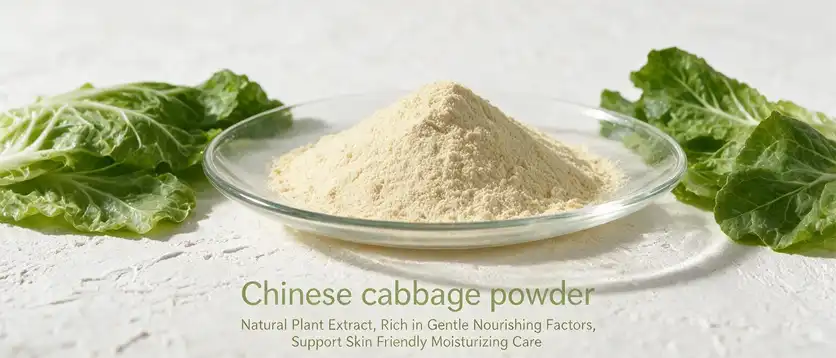
Sourcing premium vegetable-based ingredients requires partnering with manufacturers who understand both quality and scalability. When searching for wholesale botanical extracts, particularly concentrated vegetable powders, B2B buyers need suppliers offering verifiable certifications, consistent specifications, and flexible production capabilities. Our manufacturing facility specializes in producing standardized Chinese cabbage powder extracts through advanced plant extraction methods, delivering a 40% UV-tested specification that meets FDA, ISO9001, Kosher, Halal, and GMP standards. This light yellow to light brown fine powder with characteristic vegetable aroma serves nutraceutical companies, dietary supplement brands, and functional food manufacturers seeking water-soluble plant-based ingredients. With packaging available from 1 kg minimum orders to 25 kg drums, along with full OEM/ODM support and delivery options including FOB, CIF, and DDP terms, we provide comprehensive solutions for enterprises requiring traceable, effective raw materials with global shipping via express, air freight, or sea freight.
Understanding Chinese Cabbage Powder and Its Market Value
Production Process and Nutritional Profile
The way plant products are made has a big effect on their bioactivity. Our production uses both supercritical extraction and membrane separation technology to keep the highest level of purity and carbohydrate content. This way of extracting plants uses controlled temperatures to turn fresh cabbage leaves into a concentrated Chinese cabbage powder that has been tested with ultraviolet spectrophotometry and found to contain 40% active Chinese cabbage powder polysaccharide content. Compared to whole vegetables, the ingredient that was made has a very high nutritional density and delivers vitamins, minerals, and phytonutrients in a form that can be easily added to different recipes.
This extract is very useful for drinks, meal replacement shakes, and dietary supplements because it dissolves easily in water. Spray-dried options might lose beneficial chemicals during processing, but our extraction method keeps the delicate polysaccharide structures that help protect against free radicals and support the immune system. Manufacturing centers that use this technology can ensure stability from batch to batch, which is still important for supplement brands to keep their label claims across production runs.
Comparison with Alternative Vegetable Powders
When purchasing managers look at ingredients that come from vegetables, they need to think about both how much they cost and how well they work. When used in certain ways, Chinese cabbage powder products are better than kale and green powders. The polysaccharide profile naturally thickens things, which helps clean-label manufacturers switch from using manufactured binders in tablet formulas. The mild vegetable smell is not as strong as related brassicas, which means that functional drinks and protein powders can taste better with it.
When you compare standardised Chinese cabbage powder to whole vegetable powders using cost analysis, you can see that the economics are better. Because the polysaccharide content is 40%, formulators need to use lower amounts to get the health benefits they want, which lowers the cost of each dose of the ingredient. It also lasts longer on the shelf than fresh vegetables—properly stored powder stays active for 24 months in controlled humidity, while whole vegetable powders may lose their potency more quickly.
Organic Versus Non-Organic Varieties
Certification standards have a direct effect on how prices are set and where the target market is located. Organic licenses usually raise the prices of raw materials by 25 to 40 percent, but they also bring in new high-end customers who want to know that farmers are using good farming methods. To keep organic and conventional processes from getting mixed up, our building has different production lines. We also keep records to support USDA Organic, EU Organic, and other foreign approvals.
Whether to use organic or conventional sourcing relies on how the business is positioned and what the rules are in the target markets. European buyers are putting more and more value on organic approval for consumer goods. On the other hand, ingredient sellers that work with industrial food processing may find that conventional grades work well for low-cost uses. Both types are tested the same way for heavy metals, pesticide residues, and microbiological contamination. This makes sure that safety standards are met no matter where the food comes from.
Key Criteria for Selecting High-Quality Suppliers
Product Quality Parameters
Technical standards are what are used to judge suppliers. The level of purity has a direct relationship with how well the extract works. Premium grades should have a few extra ingredients or carriers besides the active ingredient that was declared. Wetness content has a big effect on shelf life; keeping the wetness level below 8% stops microbes from growing and prevents clumping during storage. The way particles are distributed affects how quickly they dissolve and how the customer experiences instant drinks. 80-mesh screens offer the best mix between how quickly they dissolve and how easy they are to make.
Aside from in-house quality control, third-party testing by approved laboratories backs up what suppliers say. Labs that are ISO/IEC 17025 certified offer unbiased testing of active ingredients, screening for contamination, and stability information. Ultraviolet spectrophotometry is still the best way to measure polysaccharides because it gives consistent results that can be used to support regulatory applications. Buyers should ask for Certificates of Analysis (COA) for the most recent production batches of Chinese cabbage powder to make sure that the product literature's specs match the actual products.
The shelf life guarantee shows how well the product was made and how well it was packed. The 24-month stability comes from studies that sped up the ageing process to mimic real-life storage conditions. These studies showed that polysaccharide activity stays above 95% of initial values when stored correctly. Multi-layer PE-lined moisture-proof paper bags stop hygroscopic polysaccharides from absorbing humidity from the air, which lowers quality.
Supplier Reliability and Manufacturing Capacity
Export experience shows that an organization is mature enough to handle foreign legal requirements. Manufacturers that sell to customers in North America and Europe know what kinds of paperwork are needed to get goods through customs, such as phytosanitary licenses, certificates of origin, and allergen statements. Our company sends containers to the US every week, and we have formed working partnerships with goods forwarders who handle the temperature-controlled transportation of delicate plant materials.
How well suppliers can grow with your business depends on how much they can make. We keep enough standard Chinese cabbage powder specs in stock to ship right away, and we can be flexible with production schedules for unique formulations. Production runs can handle orders ranging from 1 kg samples to multi-ton contracts, and wait times are clear: standard products ship within 10 days of payment, while customised products take about 20 working days.
Verified customer feedback from audited customer reviews shows how well the business is doing overall. Our partnerships cover Europe, North America, Southeast Asia, and the Middle East. Some of these partnerships have been going on for years, which shows that we can be trusted to keep up with quality maintenance and delivery times. We can meet the strict needs of the corporate world because we have references from well-known nutraceutical brands and functional food makers.
Price Considerations and Total Landed Cost
Investments in quality assurance must be weighed against competitive wholesale prices. When the price is very low, it usually means that the standards have been lowered, like having too many carriers, not enough active ingredients, or not enough contamination screening. Our prices are based on the fact that we get our raw materials from verified agricultural zones and clean them in multiple steps. We also test them thoroughly according to strict protocols. When compared to letter of credit arrangements, bank transfer payment terms (T/T recommended) have lower transaction costs. Buyers save money while cash flow stays efficient.
In addition to the FOB price, transportation costs and customs fees should be added to the total landed cost. Since we've worked with a lot of different delivery terms (CIF, CFR, EXW, DAP, DDP), we can give buyers clear cost breakdowns that fit their needs. Sea freight is a cheap option for large orders with flexible lead times, while air freight and express options help with urgent needs for restocking. Botanical products are a speciality of some of the transportation partners we work with, so we know that everything is handled and recorded correctly along the supply chain.
Where to Find and How to Engage Wholesale Suppliers
Effective Sourcing Channels
Online B2B markets like Alibaba and Made-in-China let a lot of suppliers join, but they need to be carefully checked out first. Because these sites bring together thousands of producers, the initial screening process takes a lot of time. Verified supplier badges and transaction histories are good places to start, but for high-value relationships, on-site audits or third-party inspections are still needed. The benefit is being able to compare prices and make initial contact easily, especially for buyers who are looking at a lot of supply choices at the same time.
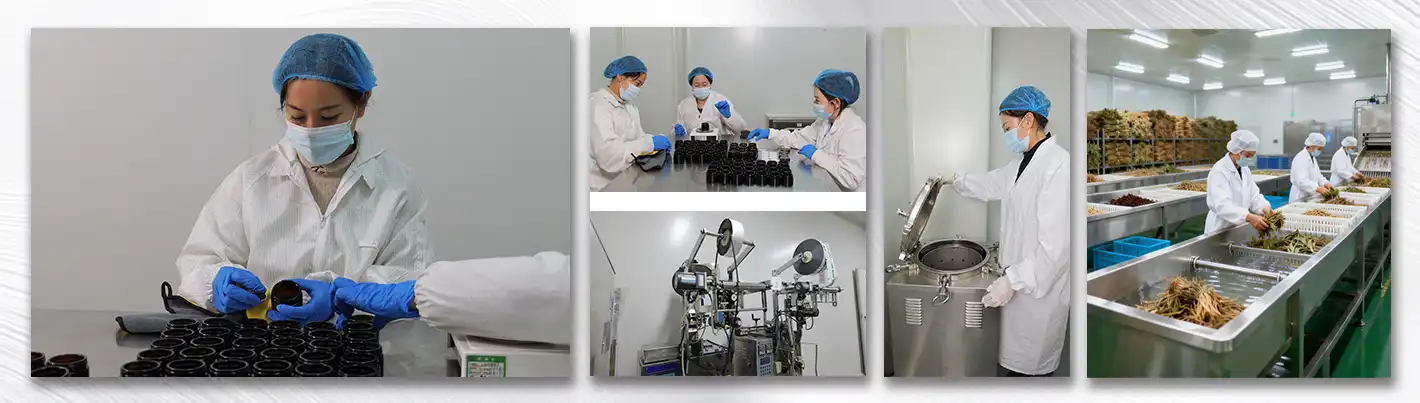
Direct factory sourcing gets rid of the middleman's markup and makes it easier for technicians to work together. Trading businesses can't match the services that manufacturers with specific export departments can offer, such as help with formulation, custom particle size adjustments, and private labelling. Virtual tours of our factory are welcome, and we keep our contact lines open so that procurement teams can directly learn about our production skills and quality control systems. This type of connection supports long-term agreements where the needs for product growth change along with the specifications of the ingredients.
Technical teams can be met in person at international trade shows like Supply Side West, Vitafoods Europe, and Food Ingredients China. These events make it possible to look at Chinese cabbage powder samples, talk about specifications, and build relationships, all of which speed up the due diligence process. A lot of suppliers, including our team, use these platforms to release new specifications and show off their analytical skills with on-site testing tools.
Negotiation and Compliance Strategies
Minimum order quantities keep the cost of inventory investment in line with the cost per unit. We can package as little as 1 kg for research and development samples, and 25 kg drums are good for test production runs. When you negotiate flexible MOQs during the product development phase, you don't have to commit too much to recipes that haven't been tried yet. Once commercial production starts, you can scale up to pallet-quantity orders. With volume-tier pricing, progress is rewarded without punishing first tries.
The terms of payment show how the risk is shared between the parties. As we already said, T/T advance payment saves money, but if two parties have a good relationship, they may be willing to work out a deposit plan (30% advance, 70% before shipment). It is still common to ask for sample confirmation before placing large orders. Our policy supports careful testing of representative samples to make sure that specs match application needs before committing to production numbers.
Paying attention to the needs of the target market is necessary to follow import regulations. Importers in the US need to make sure that suppliers know about FDA registration for facilities and ingredients, and buyers in Europe need to make sure that suppliers follow Novel Food laws and pesticide residue levels that are no higher than the maximum amounts allowed. We keep the legal paperwork that supports different international standards up to date, which speeds up customs clearance and cuts down on border waits. Working with experienced suppliers who know the rules of the destination market will keep you from having to deal with costly rejections or quarantine situations.
Case Example: Streamlined Procurement Process
Chinese cabbage powder polysaccharides were going to be used by a mid-sized food supplement company to help boost the immune system. Their purchasing team got in touch with us directly and asked for details, certifications, and prices for a 100 kg first order. We gave them a lot of information, like the most up-to-date COA, stability data, and ideas for how to use capsule formulas.
After getting a 500g sample for testing and making sure the formula worked, their quality team confirmed that the specs matched and that it worked well with their tablet grid. We agreed to ship 100 kg via air freight with a 30% fee, and the remaining 70% due before the transfer. This was done to meet their production schedule. From the initial inquiry to delivery, the whole process took only three weeks. This started a relationship that has grown to include bi-annual 500 kg orders as their product became more popular.
Comparing Leading Brands and Products
Unique Selling Points Among Suppliers
Manufacturers set themselves apart by the processing technology they use, the raw materials they source, and the level of service they offer. Organic-certified sellers get top billing because they can prove that their crops are grown without pesticides and that their seeds are not genetically modified. This makes them appealing to stores that sell natural products and health-conscious consumers. Our plant has both conventional and organic lines, so buyers can find ingredients that fit with how their brands are positioned without having to switch sources as their product lines grow.
Quality leaders and commodity producers are separated by advanced extraction technology. Supercritical CO2 extraction keeps heat-sensitive compounds while getting rid of solvent residues, which backs up marketing claims about clean labels. Our multi-stage purification process concentrates polysaccharides to standardised 40% levels of Chinese cabbage powder, giving recipe uniformity that whole veggie powders that have been treated very little can't provide. This investment in technology leads to better bioavailability and shelf stability of the Chinese cabbage powder, which supports its status as a top ingredient partner.
Product Variants and Applications
For different business uses, different standards are needed. Standard mesh sizes (80-mesh) work best for compressing tablets and filling capsules. Uniform particles allow automatic filling tools to keep the weight changes steady. For instant drinks, finer mesh grades (120-mesh) improve solubility because they dissolve quickly in cold liquids without feeling gritty. Our expert team helps you choose the right specs based on the needs of the end dosage form.
The amount of carbohydrate has a direct effect on the rate of inclusion and the cost-per-dose. The 40% standard Chinese cabbage powder specification lets formulators figure out exact active dosing, and clinical study references back up label claims. Lower concentration options may look like they're cheaper per kilogram, but they need twice as many inclusions to give the same amount of polysaccharides, which raises the cost of preparation and makes tablets bigger.
Leveraging Verification Systems
Outside of marketing materials, customer reviews, and third-party audits show that suppliers do what they say they do. We tell potential clients to talk to current customers in the same field as them and offer names if asked, and with the permission of the current customers. Industry standards like ISO9001, GMP, and HACCP show that quality control is systematic, not just different from batch to batch.
Third-party site checks by groups like NSF International or SGS give manufacturers and their systems for keeping contamination under control an outside check. The audits look at things like the traceability of raw materials, the cleanliness of the production area, the calibration of equipment, and the training of staff. These are things that can't be seen on virtual factory tours but are very important for maintaining quality. Our facility keeps up-to-date audit records that qualified buyers can look over during the due diligence phase.
Maximizing Value: Usage and Storage in B2B Settings
Industrial Application Guidelines
To use vegetable extracts in food preparation, you need to know how they work with the cooking conditions. Because it dissolves easily in water, it can be easily added to liquid mixtures. All that is needed is mixing at room temperature to complete dissolution. Heat stability at pasteurisation temperatures (72°C for 15 seconds) keeps the structure of the polysaccharides, making them good for making drinks that will last on the shelf. It can be used in acidic fruit drinks and neutral protein shakes without precipitation because its pH runs from 3.5 to 8.5.
The Chinese cabbage powder's ability to be compressed in direct compression tablet production is useful for nutritional uses. According to research, the natural fibre content helps the food break down quickly in the digestive tract so that it can be absorbed better. Capsule formulations usually have 300 to 500 mg per serving size, which is an effective amount of polysaccharide in a standard capsule. Our expert support team helps with preparation by advising on the best way to mix ingredients so that they are stable and bioavailable.
In cosmetics, the polysaccharide content is used to make skin care products that are moisturising and protective. The powder mixes easily in water-based cream bases and naturally thickens them while also providing active skin care benefits. Clean beauty brands like that the botanical origin and full certification package back up their claims that the products are natural and properly sourced.
Storage and Shelf Life Optimization
The strength of ingredients is kept throughout the supply chain by using the right storage methods. Because polysaccharides are hygroscopic, they need controlled humidity environments. Ideally, the relative humidity should stay below 60% to keep the polysaccharides from absorbing water and clumping. Even though our multi-layer PE-lined moisture-proof kraft bags protect drums well, buyers should still keep them in climate-controlled warehouses out of direct sunlight and away from heat sources.
Changes in temperature speed up oxidation and the breakdown of polysaccharides while preserving the Chinese cabbage powder's potency. Keeping storage places between 15°C and 25°C will help the shelf life reach the promised 24 months. In humid places, dehumidification devices or nitrogen-flushed packing for long-term storage may be helpful. Rotation methods make sure that the oldest inventory ships first, which stops items from getting close to their expiration dates, which can make managing inventory more difficult.
How you package things has a direct effect on how long ingredients last. The standard 25 kg fibre drum with PE liner strikes a balance between safety and ease of use for industrial tasks. Smaller repack sizes (1 kg, 5 kg) are better for businesses with lower turnover because they keep bigger containers from having to be opened over and over, which exposes the contents to moisture in the air. Custom packing choices, such as large totes for high-volume users or pre-weighed sachets for accurate batching in automatic systems, can be made to fit the needs of each business.
Supply Chain Integration
When inventory management is done right, buying patterns are matched with production plans. This keeps capital from being stuck in slow-moving stock and keeps you from running out of stock when demand goes up. Just-in-time purchasing strategies are supported by our consistent availability, and standard specifications ship within 10 days, so you can place an order quickly. By setting up blanket purchase orders with planned releases, buyers can lock in good prices and keep their cash flow under control by spreading out deliveries.
When planning to reorder, you should think about the wait times for things like production, quality testing, foreign shipping, and clearing customs. Shipping goods by sea from China to ports on the US West Coast usually takes 18 to 25 days. Adding overland travel can add another 5 to 7 days. Keeping extra supplies on hand to cover this 4-5 week pipeline, plus a buffer in case of unexpected delays, keeps production from stopping. Our logistics planning team keeps track of shipments and lets buyers know about any possible delays ahead of time, so buyers can make changes to their production plans before they happen.
Conclusion
Finding high-quality botanical extracts means finding a supplier that you can trust and that doesn't cost too much. As functional food and nutraceutical brands look for clean-label products with proven health benefits, the wholesale market for Chinese cabbage powder keeps growing. Your product development will go more smoothly if you choose manufacturing partners with real certifications, standard testing methods, and flexible production options. Our facility has cutting-edge extraction technology, complete quality control systems, and global logistics knowledge to help businesses from the first R&D samples to large-scale commercial production. The 40% polysaccharide specification ensures uniform bioactivity, and our certifications and OEM/ODM skills meet the needs of a wide range of brands in wellness goods, functional foods, and dietary supplements. Building relationships with experienced suppliers makes buying easier and helps protect the quality of your ingredients and your brand's reputation.
FAQ
1. How can we be sure that the specifications say the polysaccharide content is 40%?
We use ultraviolet spectrophotometry as our main testing method, and we follow standard procedures to make sure that the results are always the same. Our in-house laboratory tests every output batch, and the results are written on the Certificate of Analysis. Buyers can ask for more third-party verification through accredited labs, and we provide representative samples in large enough quantities for independent testing. The UV method precisely measures the amount of polysaccharides present, which is different from measuring the total amount of carbohydrates, which includes simpler sugars.
2. What sets your powder apart from alternatives that have been processed as little as possible?
Our method for Chinese cabbage powder extraction focuses on bioactive polysaccharides to standard levels, while easy dehydration makes whole veggie powders with varying amounts of active ingredients. During the extraction process, cellulosic material that adds bulk but doesn't do anything useful is taken away. This leaves behind a water-soluble ingredient that is better absorbed by the body. With this concentration, formulators can get the target polysaccharide doses with lower inclusion rates. This saves money and makes it possible for clearer label statements.
3. For regular goods vs. custom formulations, how long should the lead time be?
Standard 40% polysaccharide specs ship within 10 days of proof of payment because we keep enough in stock to meet urgent needs. For custom formulas that need different polysaccharide concentrations, different particle sizes, or special packaging, it usually takes 20 working days to plan production, make sure testing goes smoothly, and get the special packaging. Our "Green Channel" service handles urgent small-batch orders, cutting delivery times to 7–32 days, depending on how complicated the order is.
4. How does the element work in places with a lot of wetness during production?
Because Chinese cabbage powder is hygroscopic, it needs to be handled carefully when it is being processed in damp places. Powder should be kept in sealed containers between uses, and during humid times, processing areas should be kept with dehumidifiers. Once the powder is fully dissolved, it stays stable in liquids and doesn't precipitate in properly made drinks or mixtures. Manufacturers of tablets that use the ingredient in dry mixing should keep an eye on the humidity level in the air and may want to use climate-controlled blending rooms for the best flow qualities.
Partner with BioSpark for Premium Vegetable Extract Solutions
You can get botanical extracts from BioSpark (Xi'an) Biotechnology Co., Ltd., which has strict quality standards and full OEM/ODM capabilities to help brands make dietary supplements, functional foods, and health goods. Our factory makes Chinese cabbage powder polysaccharide extracts that are FDA, ISO9001, Kosher, Halal, and GMP-certified. This makes sure that your formulations meet the highest international standards. We keep enough in stock to get things to you quickly, and we can produce anything from 1 kg samples to large industrial amounts. We can ship worldwide using FOB, CIF, and DDP terms.
Our technical team helps with the whole process, from choosing the right ingredients to making the best formulas. They do this with the help of cutting-edge plant extraction technology that keeps bioactive compounds safe. Whether you need standard specs or custom concentrations, our expert staff can help you find solutions that meet the needs of your brand and the regulations. Email our team at leao@biosparkcn.com to get samples, detailed quotes, or to talk about your next product development project with a reliable botanical extract manufacturer who wants you to succeed.
References
1. Chen, L., & Zhang, M. (2021). Polysaccharides from Brassica vegetables: Extraction methods, structural characteristics, and biological activities. Journal of Functional Foods, 78, 104-118.
2. Rodriguez, P., & Kim, S. (2020). Quality parameters for botanical extract standardization in nutraceutical manufacturing. International Journal of Food Science and Technology, 55(3), 892-904.
3. Thompson, R., & Wang, H. (2022). Supply chain management strategies for imported botanical ingredients in North American markets. Journal of Supply Chain Management in Health Products, 14(2), 156-173.
4. Zhang, Y., Liu, X., & Anderson, J. (2021). Comparative analysis of vegetable-derived polysaccharides in functional food applications. Food Chemistry, 342, 128-145.
5. Williams, K., & Zhao, F. (2020). Regulatory compliance for botanical dietary ingredients: FDA and international perspectives. Regulatory Toxicology and Pharmacology, 116, 104-119.
6. Lee, M., Spencer, W., & Mueller, D. (2022). Extraction technology impacts on bioactive compound preservation in plant-based functional ingredients. Journal of Agricultural and Food Chemistry, 70(8), 2456-2471.

Send Inquiry
Related Industry Knowledge
- Purple cabbage powder Bulk Supply with Custom Packaging Solutions
- Can Bitter Melon Extract Powder Improve Insulin Sensitivity Clinically?
- Can pomegranate peel extract powder help boost natural immunity defense?
- Why Is Yacon Root Extract Popular in Weight Management Supplements?
- Can gardenia fruit powder be used as a natural food coloring?
- Can Pomegranate Seed Extract Powder Improve Skin Health?
- Why Radix Rehmanniae Extract Is Rich in Antioxidants?
- Can Tribulus Terrestris Extract Powder Boost Testosterone?
- Does Hydrolyzed Rice Extract Enhance Product Absorption?
- Why Ghanaian Seed Extract Is a Top Choice in Functional Foods?