_1764041963888.webp)
What Makes Gardenia fruit powder a Trusted Herbal Ingredient?
Jul 29, 2026
Gardenia fruit powder has earned recognition as a trusted herbal ingredient because it seamlessly bridges traditional botanical wisdom with modern scientific validation. Extracted from the mature fruits of Gardenia jasminoides, this natural plant material delivers standardized bioactive compounds—particularly geniposide—that meet rigorous international quality standards through HPLC testing. Its proven efficacy in traditional medicine, combined with comprehensive certifications and traceable sourcing, makes this botanical extract a reliable choice for health supplement brands and nutraceutical companies seeking safe, effective ingredients for product development.
Understanding Gardenia Fruit Powder: Origins, Composition, and Benefits
Botanical Background and Traditional Heritage
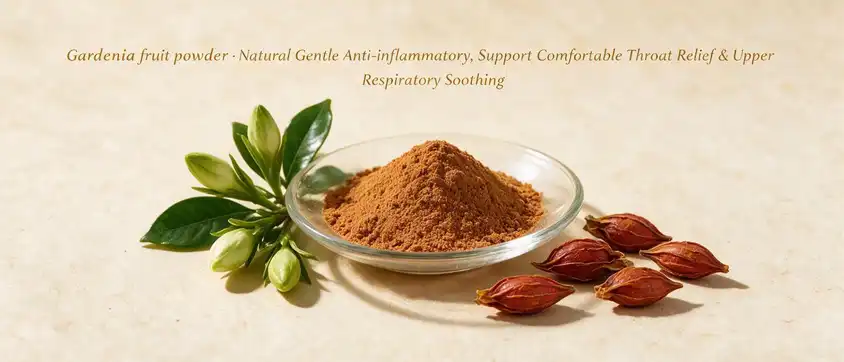
Gardenia jasminoides belongs to the Rubiaceae family and has been utilized in Asian traditional medicine for centuries. Advanced plant extraction methods are used to get the valuable phytochemicals out of the dried, full fruits. This plant material is important for two reasons: it can be used as a medicine ingredient and as a natural color source. During the separation process, the beneficial ingredients are concentrated while the Gardenia fruit powder's distinctive brownish-yellow to reddish-brown color and gardenia fruit scent are kept.
Key Phytochemical Composition
Iridoid molecules make up most of this plant extract's biochemical makeup, with geniposide being the main active ingredient. High-Performance Liquid Chromatography (HPLC) testing showed that our normal product has 10% gardenoside content. Along with iridoids, the powder also has genipin and crocetin, which help make it a natural yellow color. Some other helpful chemicals are chlorogenic acid, ursolic acid, and different flavonoids that make the whole thing more therapeutic. Because it has so many different chemicals, gardenia extract is now needed in many different fields.
Recognized Health Benefits and Functional Properties
In traditional uses, it is used for clearing heat, reducing inflammation, cooling blood, and promoting diuresis. Modern science studies back up these uses, showing that it has choleretic and hepatoprotective effects that help the liver work and make bile. The geniposide part has important anti-inflammatory, antioxidant, and neuroprotective properties. Because of these health benefits, the powder can be used in formulas that aim to support the liver, protect against free radicals, and improve general health. In addition to coloring in a safe and non-toxic way, the natural pigments also act as antioxidants, which is something that manufactured options don't usually do.
Comparing Gardenia Fruit Powder with Other Herbal Ingredients
Unique Chemical Profile Advantages
When procurement professionals look at botanical powders, it's important to know how their compositions are different. Turmeric is mainly made up of curcumin, but gardenia extract works in a different way based on an iridoid-based mechanism that works with other plant ingredients instead of replacing them. Unlike moringa's wide range of nutrients or green tea's catechin content, this Gardenia fruit powder offers specific bioactive chemicals that are used in traditional medicine and as natural colorants. Gardenia extract dissolves better in water than many other plant options. This makes the formulation process easier and improves the bioavailability of the end products.
Quality Certifications and Their Impact
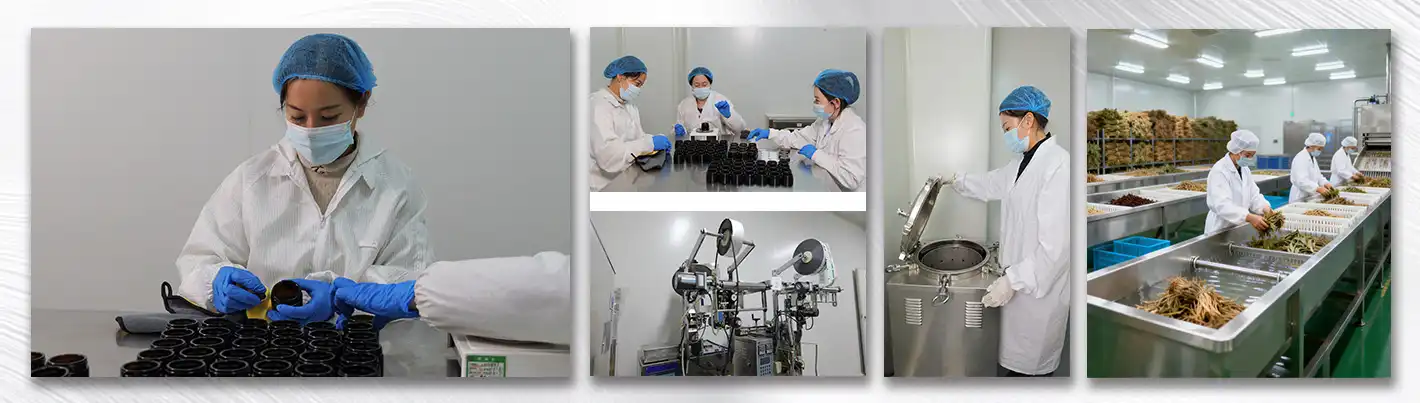
Certifications have a direct effect on both how well something works and what people buy. Our gardenia extract has been certified as ISO9001, Kosher, Halal, FDA, and GMP, which is a wide range of quality assurance standards that meet the needs of different markets. These qualifications show that the ways things are made are safe, consistent, and able to be tracked around the world. Buyers who are looking for goods for regulated markets in North America and Europe need this kind of paperwork to make sure they follow the rules. The approval also shows that they are committed to quality control standards, which include strict tests for heavy metals, pesticide residues, and microbial contamination.
Application Versatility in Competitive Context
This plant product stands out from others because it can be used for more than one thing. Many herbal powders are only good for one thing, but gardenia extract is great for making traditional medicines, functional foods and drinks, natural food colorants, cosmetics, and textile dyes. Because of this, brands can get one ingredient for multiple product lines, which makes supply chain management easier and makes it simpler for vendors. This ingredient is better than single-dimension options in cost-benefit analyses because it can replace synthetic colors and add useful benefits.
Practical Applications and Optimal Usage of Gardenia Fruit Powder
Industrial Applications Across Multiple Sectors
This botanical extract works amazingly well in a wide range of products, which makes it useful for companies that need ingredients that can be used for more than one thing. Knowing about these application areas helps buying teams find chances to make new products and add to existing lines.
One important area of application is dietary supplements and functional foods. The powder mixes quickly in drinks and doesn't have any problems when put into capsules. This makes it perfect for heat-clearing mixes, liver support vitamins, and antioxidant mixes. The usual 10% geniposide content makes sure that doses are always the same and that each batch works the same way.
Using natural food colorants is another important area of application. People who care about their health can't live without items with clean-label credentials. This yellow color comes from plants and can be used instead of synthetic dyes in baked goods, candies, dairy products, and drinks. Because the color stability stays the same across a range of pH levels and processing conditions, it is easy to formulate and meets government standards for natural materials.
Cosmetics and personal care products benefit from both the natural coloring properties and antioxidant benefits of gardenia extract. Manufacturers put it in makeup and skin care items seeking botanical credentials and functional performance. Because the Gardenia fruit powder dissolves in water, it's easy to add to emulsions, serums, and other water-based products.
This ingredient is still used in traditional medicinal recipes because it has been used for hundreds of years. Standardized gardenia extract is used by modern companies that make Chinese medicine goods, like Coptis chinensis pills, to keep things consistent while still following traditional recipes.
Formulation Guidelines and Safety Considerations
Dosage suggestions change for different uses, but for food supplements, they are usually between 50-500 mg per serving, based on the benefits they are supposed to provide and the people they are meant for. Because it dissolves well in water and only slightly in ethanol, it lets you use a variety of preparation methods. When making a new product, formulators should think about the pH-stable ranges and how the new ingredient might react with other ingredients. Again, stability testing is needed to make sure that the shelf life will work in the storage conditions that were planned.
When used at the suggested amounts, safety scores show good tolerability. Pregnancy and breastfeeding are not recommended because there is not enough safety information. Buyers should check that the labeling of the finished product includes the right usage warnings and look at the rules and regulations for the markets they want to sell to. Testing for heavy metals and pesticide residues as part of quality control keeps both the brand's image and the safety of the customer.
Real-World B2B Implementation Success
Several nutritional supplement companies have successfully released liver-supporting formulas that use standardized gardenia extract. They were able to stand out in the market by combining traditional ingredient credentials with modern quality standards. OEM makers say that their customers are very happy with how well the powder works in all production runs. Private label programs in the natural colorant industry have helped food companies change the recipes of their goods so they can be sold under a clean label without affecting how they look or how stable they are. These case studies show how the ingredient makes the product more valuable while also meeting the standards of different international markets.
Sourcing and Procurement: What B2B Buyers Need to Know
Market Pricing and Order Parameters
Cost-effective buying choices can be made when you understand how prices change over time. Standardized gardenia extract with 10% geniposide content usually sells for more than non-standardized options because HPLC-tested products show that the goods are of higher quality. The smallest amount you can buy is just 1 kg, so it can be used for both small-scale testing and full-scale production. This flexibility is especially helpful for new businesses testing new recipes and for established businesses that need to place large orders.
Standard packaging comes in 25 kg drums that are designed to make it easy to handle, store, and mix. There are different types of delivery terms, such as FOB, CIF, CFR, EXW, DAP, and DDP, so buyers can choose the ones that work best for their budgets and operations. Having enough stock on hand guarantees quick shipping times, which are necessary to keep work schedules.
Supplier Evaluation and Certification Verification
To build trust in a provider, quality qualifications must be checked on a regular basis. Buyers should ask for up-to-date certifications, such as ISO9001, GMP, and any other approvals that are needed for their market. Five important areas of checking that responsible providers always do are at the center of quality assurance.
Quantification of the active ingredient using HPLC testing makes sure that the exact amounts of geniposide and crocin meet product requirements. As part of the safety and purity testing, over 400+ compounds for pesticides are looked for. Heavy metal limits are usually kept at arsenic below 0.5 mg/kg and lead below 1.0 mg/kg, which can be confirmed by ICP-MS analysis.
Microbiological control makes sure that the total plate counts stay below 1,000 cfu/g and that E. coli and Salmonella are not present, keeping the product safe and preventing it from going bad on the shelf. Solvent residue analysis shows that extraction solvents are still well below the limits set by USP and EP. Authenticity verification uses fingerprint chromatography to find and stop the addition of synthetic yellow pigments.
Customization and Partnership Support
OEM and ODM services offer solutions that are custom-made to meet the needs of each brand. Suppliers that offer full customization can change product details, package forms, and formulation to help fit different product ideas. When you negotiate, you should talk about professional support, help with regulatory paperwork, and promises of supply continuity. Bank transfer (T/T) is still the chosen way of payment, but talking about terms that work for both parties can help build relationships that are good for everyone. As part of a strong supplier relationship, the Gardenia fruit powder seller should provide quick after-sales support that helps with formulation questions and quality issues.
Why Gardenia Fruit Powder Is the Preferred Choice for B2B Clients
Sustainability and Market Trend Alignment
The trend around the world toward natural, plant-based products makes gardenia extract more likely to stay in business in the long run. Getting botanical materials from grown Gardenia jasminoides plants helps farming communities and provides materials that can be used again and again. As consumers demand environmentally friendly ingredients, this sustainability credential becomes more and more important in buying decisions. Using natural colorants instead of synthetic ones is in line with regulations in major markets and lowers the chance of having to change the recipe as standards change.
Phytochemical Distinctiveness and Innovation Potential
The special iridoid profile can help a product stand out in supplement markets that are already very crowded. Brands can use the history of traditional medicine along with current scientific proof to make engaging product stories. In the future, scientists may come up with better ways to extract geniposide to get higher concentrations or mix Gardenia fruit powder with other plants that work well together. As both an active ingredient and a natural colorant, it allows for unique product development that meets the needs of a wide range of consumers at the same time.
Strategic Partnership with Quality-Focused Suppliers
Choosing the right business partner has a big effect on how well a product does and how efficiently operations run. BioSpark (Xi'an) Biotechnology Co., Ltd shows the dedication to quality and customer-focused service that procurement professionals need. Dietary supplements, plant extracts, functional ingredients, and wellness goods are all in our approved product line. They are all made under strict quality control systems. We help with the whole process, from coming up with the idea to formulating, making, packing, and delivering the finished product. This makes sure that the project goes smoothly for both small-batch customization and large-scale production.
Our advanced testing tools make sure that every batch is pure, consistent, and safe. We have partnerships in Europe, North America, South America, Southeast Asia, and the Middle East, so we know how to meet the needs of different markets and comply with different rules. With our world knowledge, we can help brands enter new markets by making sure they have the right paperwork and making any necessary changes to the formula. The flexible production capacity helps businesses that are growing while keeping prices low by being more efficient.
Conclusion
Gardenia fruit powder has established itself as a trusted herbal ingredient through the convergence of traditional botanical knowledge, modern extraction technology, and rigorous quality verification. The standardized geniposide content, comprehensive certifications, and versatile applications across supplements, food colorants, and cosmetics make this botanical extract valuable for diverse product development strategies. Successful procurement requires attention to quality markers, supplier credentials, and partnership capabilities that support long-term business goals. The combination of proven efficacy, regulatory compliance, and sustainable sourcing positions this ingredient favorably for brands seeking natural, effective formulation components in competitive markets.
FAQ
1. What is the typical shelf life of gardenia extract?
Properly stored gardenia extract maintains potency for 24 months when kept in sealed containers away from direct light, heat, and moisture. The stability of geniposide and other active compounds remains excellent under controlled warehouse conditions. Buyers should verify manufacturing dates and implement first-in-first-out inventory management to ensure optimal ingredient freshness during product formulation.
2. How does HPLC testing benefit quality assurance?
High-Performance Liquid Chromatography provides precise quantification of active compounds, enabling verification that products meet labeled specifications. This analytical method detects potential adulteration and confirms batch consistency, protecting brand reputation and supporting regulatory compliance. HPLC testing establishes the fingerprint chromatography that distinguishes authentic botanical material from synthetic substitutes.
3. Can gardenia powder be used in organic product formulations?
Availability of organic certification for gardenia extract varies by supplier. Buyers developing organic products should specifically request documentation and verify compliance with USDA Organic, EU Organic, or other relevant standards for their target markets. The cultivation and processing methods must meet organic requirements throughout the supply chain.
Partner with a Trusted Gardenia Fruit Powder Manufacturer
BioSpark stands ready to support your botanical ingredient sourcing needs with premium gardenia extract backed by comprehensive certifications and technical expertise. Our commitment to quality begins with raw material selection and extends through advanced plant extraction methods, rigorous HPLC testing, and final product verification. Whether you need small trial quantities or large production volumes, our flexible manufacturing capabilities and sufficient stock ensure timely delivery that keeps your production schedules on track.
We understand that successful product development requires more than quality ingredients—it demands responsive partnership and technical support. Our experienced team provides formulation guidance, regulatory documentation assistance, and customization services tailored to your specific brand requirements. With OEM and ODM capabilities, we help transform your product concepts into market-ready formulations that meet international standards.
Contact our team today at leao@biosparkcn.com to discuss your gardenia fruit powder requirements. As a reliable supplier, we offer competitive pricing, transparent communication, and the quality assurance your brand deserves. Let us support your next product innovation with botanical ingredients that deliver both traditional credibility and modern performance.
References
1. Chen, L., & Zhang, Y. (2021). Phytochemical composition and bioactive properties of Gardenia jasminoides fruit: A comprehensive review. Journal of Ethnopharmacology, 268, 113-129.
2. Kim, S. H., Park, J. G., & Lee, J. (2020). Geniposide: Biological activity, biotechnological production, and potential applications in food and pharmaceutical industries. Applied Microbiology and Biotechnology, 104(15), 6419-6434.
3. Wang, X., Liu, H., & Zhou, M. (2022). Quality control and standardization of Gardenia jasminoides extracts: Current practices and future perspectives. Phytotherapy Research, 36(4), 1567-1582.
4. Rodríguez-Martínez, A., & González-Trujano, M. E. (2019). Natural iridoids from botanical sources: Traditional uses, phytochemistry, and pharmacological properties. Biomedicine & Pharmacotherapy, 120, 109-135.
5. Tanaka, M., Nakamura, Y., & Yamamoto, K. (2020). Application of natural colorants in the food industry: Safety, stability, and regulatory considerations. Food Chemistry, 312, 126-141.
6. Liu, Y., Chen, P., & Zhang, W. (2023). Hepatoprotective effects of Gardenia jasminoides extracts: Mechanisms of action and clinical implications. Evidence-Based Complementary and Alternative Medicine, 2023, 1-15.

Send Inquiry
Related Industry Knowledge
- Is Snow Lotus Powder Suitable for Dietary Supplement Products?
- Egg yolk fruit powder for Functional Foods: Key Advantages
- How to Use Coconut Milk Extract Powder in Hot and Cold Drinks?
- Spinach Juice Powder in Sports Nutrition: A Smart Choice?
- What are the top health benefits of loquat powder?
- What are the anti-fatigue benefits of snow lotus powder?
- How Is Kacip Fatimah Extract Made and Standardized?
- Why Red Bean Extract Is Trending in Health Products?
- Radix Rehmanniae Extract Benefits for Immune Support
- Konjac Flour Extract: Premium Ingredient for Low-Calorie Foods