_1764041963888.webp)
What Factors Affect Barley Sprout Powder Price?
Aug 30, 2026
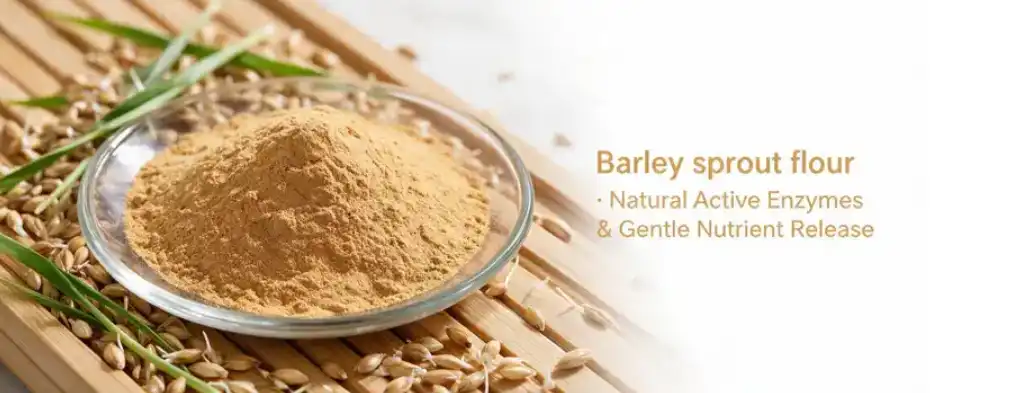
Understanding pricing structures for barley sprout powder requires more than a quick glance at supplier quotes. Multiple interconnected factors influence the final cost your business pays, from raw material sourcing and processing techniques to certifications and supply chain logistics. Whether you're a health supplement brand formulating digestive wellness products or a nutraceutical distributor expanding your portfolio, recognizing these pricing drivers helps you make informed procurement decisions. High-quality barley sprout powder delivers naturally occurring enzymes like amylase and protease alongside a 60% maltose content verified through HPLC testing, making it a valuable functional ingredient worth careful evaluation.
Market and Supply Chain Dynamics Affecting Price
Pricing changes because of global market forces and the logistics of buying. Buying managers have to plan how to handle these changes wisely. Seasonal production patterns affect availability, and as more people learn about digestive health supplements, the demand for functional ingredients that are high in enzymes steadily rises.
Seasonal Production and Demand Fluctuations
Barley farming is based on crop cycles that cause changes in the natural supply. As more fresh raw materials come into processing plants during peak harvest times, prices tend to be better. On the other hand, makers may have a harder time getting grain during the off-season, which could lead to a smaller supply and higher prices. Smart buyers build relationships with suppliers that can keep up production all year so that prices don't go up during certain times of the year.
The market is more competitive than ever because more people want natural ingredients that help the digestive system. Barley malt extract and sprouted grain powders are being used more and more in health supplement products, which is driving steady demand growth. As prices go up, it helps established sellers keep their prices stable and gives bulk buyers chances to make good long-term deals.
International Shipping and Logistics Costs
Freight costs are added to global buying, which have a big effect on total landing costs. There are many costs associated with shipping Barley sprout powder from China to delivery centers in the United States. Fast shipping by air freight costs a lot, so it's only good for urgent orders or sending samples. Sea freight is a cheap way to move large amounts of goods, but it needs longer wait times and careful inventory planning.
When suppliers offer different delivery terms (FOB, CIF, CFR, EXW, DAP, DDP), procurement teams can use their storage and freight handling partnerships to find the best transportation costs. CIF terms make budgeting easier because they include the cost of the product, insurance, and freight to the target port. EXW terms, on the other hand, let expert importers use their existing shipping networks to save money.
Bulk Purchasing and MOQ Considerations
Pricing based on volume clearly benefits well-known brands and distributors. For initial samples, premium Barley sprout powder suppliers often have low minimum order quantities of as little as 1 kg. However, production-scale orders of 25 kg drums or more unlock big cost savings per unit. Packaging requirements of 25 kg per drum with moisture-proof sealing are common in the business and make it easy to handle while still getting the most out of the material.
When OEM partners are planning custom formulations, it's helpful to talk about volume commitments up front. Suppliers who can do both small-batch customization and large-scale production give new brands the freedom they need while their products are still being developed. To keep your cash flow under control and make sure you have a steady supply, you need to negotiate sample policies, payment terms (bank transfer or T/T is recommended), and delivery plans.
Product Forms and Packaging Affecting Cost Structure
Barley sprout powder can be produced in a variety of ways, each with its own set of costs. Knowing about these differences helps procurement teams make sure that product specifications match the tastes of the target market and the available funds.
Powder, Capsule, and Concentrate Forms
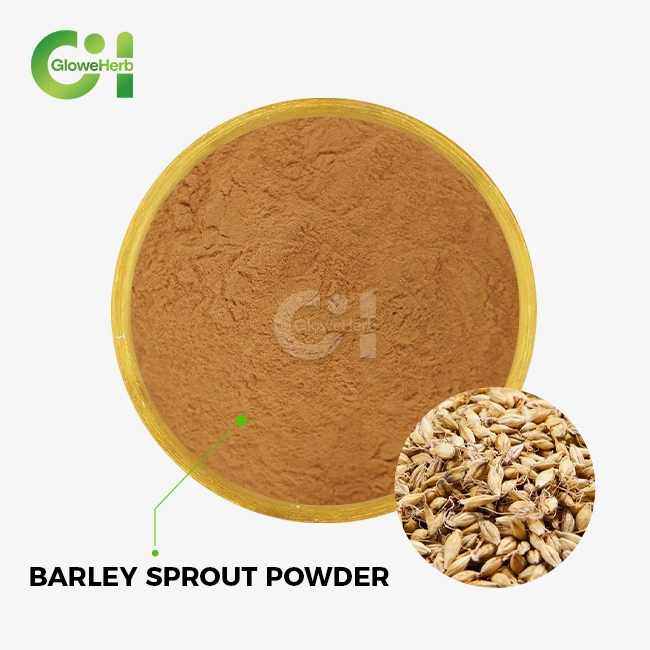
For brands that are making their own finished goods, the pure powder version is the most cost-effective choice. Water-soluble barley malt powder with 60% maltose content (HPLC verified) gives formulators the most options for making their own blends, drink mixes, or meal replacements. It can be used for many things without needing to be processed further because it is light yellow to light brown in color and smells sweet and malty.
For encapsulated versions, more steps are needed during production, such as precise dosing, capsule filling, and quality testing. These forms focus on ease and cost more, but they are easier for customers to use and stay stable on shelves. Liquid extracts are the most difficult to process because they need special separation and storage methods that make production much more expensive but also make the product more bioavailable.
Packaging Materials and Preservation
Enzymatic activity and maltose levels are kept safe during storage and distribution by sealing in a way that keeps out moisture. Standard 25 kg drums are a cheap way to package a lot of items, but some uses may need smaller units or different materials. Brands that care about the environment are becoming more interested in eco-friendly packaging options. However, biodegradable or recyclable materials usually make packaging costs go up by 10–20%.
Airtight packaging keeps food fresh longer by stopping oxidation and moisture uptake, both of which lower the quality of food. Flushing with nitrogen during packing saves sensitive bioactives even more, but it makes the processing more difficult. These investments in preservation pay off because customers are happier and there are fewer returns, especially for goods that are shipped to different freight-handling needs.
Private Label and Custom Formulation Services
With OEM and ODM powers, scale issues come up, which affect how prices are set. Suppliers that offer full customization services offer services like formula development, stability testing, and regulatory support that make up for higher start-up costs. Private label programs let brands quickly release goods with tried-and-true formulas, but exclusive formula creation costs a lot more.
For businesses that are growing, being able to change their production capacity is very important. When brands find suppliers that can handle both small test runs and large commercial orders, they can grow without having to switch partners. This ability to adapt to different business situations is often reflected in tiered price systems that encourage higher volume while also helping with the early stages of product development.
Brand Reputation and Supplier Reliability as Price Drivers
Choosing a supplier is more than just comparing prices. It also involves looking at factors like reliability that keep your business from having to deal with costly disruptions. Established makers show their worth by providing steady quality, clear business practices, and a wide range of support services.
Established Brands Versus Emerging Suppliers
Well-known sellers with a history of doing a good job usually charge more, but this investment actually reduces risk. Because they know how to deal with foreign quality standards, keep certifications up to date, and manage complicated supply lines, they can guarantee consistent product specifications and delivery dates for Barley sprout powder. Documentation for testing, such as HPLC confirmation of 60% maltose content, stops being unusual and becomes the norm.
To get a foothold in the market, new providers may offer low introductory prices. Even though these partnerships might be good for you financially, you need to do more research before you join. By checking the production capabilities, quality control systems, and legal compliance, you can avoid quality problems or supply interruptions that could hurt your brand's image and relationships with customers.
Transparency and Quality Assurance
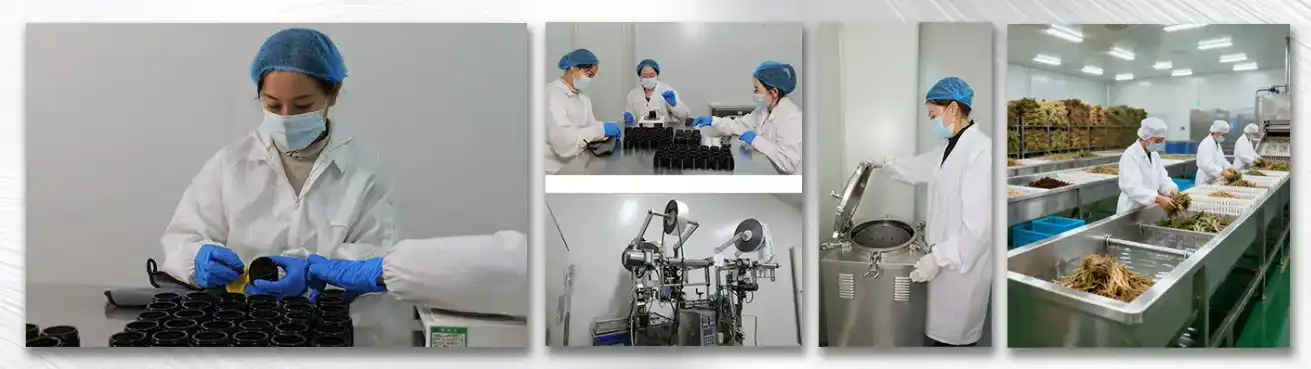
Professional suppliers are different from commodity traders because they have access to a lot of testing data. High-Performance Liquid Chromatography (HPLC) testing accurately checks the active ingredient, and particle size analysis (80–120 mesh) checks that the product dissolves properly. Solubility specifications (water-soluble, slightly soluble in ethanol) enable accurate formulation development for diverse applications, including health supplements, nutraceuticals, food and beverage products, infant nutrition, baking, and brewing.
Support after the sale creates long-term value that goes beyond the initial transaction. Technical help with formulation problems, regulatory advice for various markets, and responsive communication channels make premium pricing worth it for buyers who value partnership over transactional relationships. Having enough stock on hand and promising fast delivery cuts down on the costs of keeping inventory and makes managing cash flow easier.
Export Experience and Regulatory Knowledge
Suppliers who already ship to Europe, North America, Southeast Asia, and the Middle East show that they can work with a variety of governing settings. This global reach comes from spending money on quality systems, good paperwork, and transportation partnerships that make sure goods get through customs easily and arrive on time.
When going into markets like the US, where FDA registration and GMP compliance are very important, knowing how to follow the rules becomes even more useful. Suppliers who know about these rules offer paperwork packages that make it easier for buyers to follow the rules and speed up the registration of goods.
How to Optimize Barley Sprout Powder Procurement Cost-Effectively
Instead of just looking for the lowest price, strategic buying means balancing a number of things to get the best value. Sophisticated ways of buying things give long-term cost savings while keeping quality and supply stability high.
Comprehensive Supplier Evaluation
When evaluating a seller, it is important to look at more than just prices. You should also look at quality certifications, production capacity, and financial security. Ask for specific details about the product's look, particle size distribution, solubility factors, and the amount of active ingredient (maltose 60% by HPLC). Instead of relying only on what the supplier says, check certifications against separate databases.
Before placing a big order, it is important to try samples first. Check how the ingredients dissolve, the flavors they produce, and the amount of enzyme activity in the environment where you will be using them. Comparative testing of products from different sources shows differences in quality that might not be clear from just looking at the standard sheets.
Negotiation Strategies for Bulk Orders
When set up as long-term supply deals, volume promises give you more pricing freedom. Annual contracts with delivery schedules every three months give suppliers the security they need to plan their production, which is why they can offer better prices. Working capital management is better when payment terms are flexible, like longer bank transfer (T/T) plans for established relationships.
Optimizing shipping terms opens up more ways to save money. When buyers already have a contact with a freight handling company, they can often get better prices by using EXW terms and setting up their own logistics. On the other hand, smaller importers benefit from CIF or DDP terms because they combine the complexity of shipping into a single invoice.
Balancing Cost with Performance Metrics
The price per kilogram is only one part of the total cost of ownership. Check the dosage effectiveness to find out how much finished product one kilogram of the ingredient makes. Higher levels of maltose and enzyme activity may be worth the extra cost because they make the mixture more efficient and lower the amount that needs to be used.
Nutrient density and antioxidant power have a direct effect on how well a product works and how happy customers are with it. Products that offer better gut support through naturally occurring amylase and protease enzymes have a competitive edge that makes it worth investing in those ingredients. Traceability systems that keep track of where raw materials come from and how they are processed protect a brand's image and back up marketing claims.
Conclusion
Understanding the interactions between the quality of the raw materials, the processing technology, the certifications, and the logistics of the supply chain is necessary for navigating the pricing of Barley sprout powder. High-quality ingredients from the best growing areas and modern plant extraction methods naturally bring higher prices, but they also provide constant maltose content, enzyme activity, and nutritional purity. Long-term value factors, such as supplier reliability, regulatory compliance, and product performance, are weighed against immediate cost concerns in strategic procurement. In the competitive health market, brands that put an emphasis on clear relationships with certified makers set themselves up for long-term success.
FAQ
1. How does organic certification affect barley sprout powder cost?
Organic certification usually makes goods 30–50% more expensive than regular ones because of strict growing rules, smaller yields, and ongoing costs for compliance. This premium isn't just for marketing purposes; it's based on real differences in production.
2. What minimum order quantity should I expect from quality suppliers?
Sample orders starting at 1 kg are often accepted by professional producers for business customers who are developing new formulations. Orders on a production scale usually start at 25 kg drums, and bigger commitments get bigger discounts.
3. Which delivery terms offer the best value for U.S. importers?
For new exporters, CIF terms make planning easier by combining the costs of the goods, their insurance, and the freight to the final port. Buyers with a lot of experience and established logistics partnerships may be able to save money by using EXW terms and setting up their own shipping.
4. How can I verify the 60% maltose content claimed by suppliers?
Get proof of HPLC tests from labs that are not part of your company. Reputable providers provide thorough testing documents, including batch-specific analysis showing active ingredient concentrations and purity standards.
Partner with BioSpark for Premium Barley Sprout Powder Supply
Our wide range of Barley sprout powder production skills at BioSpark (Xi'an) Biotechnology Co., Ltd. makes us a great value. Our advanced plant extraction methods maintain enzymatic integrity while confirming 60% maltose content through thorough HPLC testing. We meet the strict quality standards of health supplement brands, nutrition companies, and wholesalers all over the United States and the world thanks to our ISO9001, GMP, Kosher, Halal, and FDA certifications. Our OEM and ODM services are flexible enough to handle both small-batch customization and large-scale production. We also keep enough stock on hand to guarantee fast delivery by express, air freight, or sea freight. As a reputable company that makes Barley sprout powder, we offer clear pricing, full testing documentation, and technical support for the whole process. Email our team at leao@biosparkcn.com to talk about your specific needs and get quotes that are tailored to your procurement needs.
References
1. Johnson, M. R., & Peterson, K. L. (2021). Enzymatic Activity in Sprouted Grains: Processing Impact on Nutritional Quality. Journal of Agricultural and Food Chemistry, 69(14), 4231-4242.
2. Williams, S. T. (2020). Global Supply Chain Management for Botanical Ingredients: Cost Optimization Strategies. International Journal of Food Science & Technology, 55(8), 2967-2978.
3. Chen, H., & Zhang, Y. (2022). Quality Standards and Certification Impact on Plant Extract Pricing in International Trade. Food Control, 134, 108756.
4. Rodríguez, A., & Martínez, C. (2021). Maltose Production and Enzymatic Hydrolysis in Barley Malt Processing. Cereal Chemistry, 98(3), 612-623.
5. Thompson, D. J., et al. (2020). Comparative Analysis of Extraction Methods for Functional Grain Ingredients: Cost-Benefit Assessment. Journal of Food Processing and Preservation, 44(11), e14892.
6. Kumar, P., & Singh, R. (2022). Market Dynamics of Nutraceutical Ingredients: Pricing Factors and Procurement Strategies for B2B Buyers. Nutrition & Food Science, 52(4), 678-694.

Send Inquiry
Related Industry Knowledge
- Yellow peach powder Applications in Drinks, Bakery, and Snacks
- Is Snow Lotus Powder Suitable for Dietary Supplement Products?
- What is Holy Berry powder used for in Herbal Supplements?
- How Does White Kidney Bean Extract Powder Block Carbs Naturally?
- How to Use Garcinia Cambogia Extract for Best Fat-Burning Results?
- Is snow lotus powder safe for elderly people to take daily?
- What Makes the Best Tongkat Ali Extract Powder Stand Out?
- Does Pomegranate Peel Extract Powder Reduce Inflammation?
- Can Fulvic Acid Powder Improve Gut Health Naturally?
- Why Miltiorrhiza Root Extract Powder Enhances Circulation?