How to Choose a High-Quality Bovine Spleen Peptide?
Oct 15, 2026
The first step to choosing a quality bovine spleen peptide is understanding what differentiates a quality-made product from a poor one. Bovine spleen peptide is a bioactive polypeptide extract from splenic tissue of cattle, which contains abundant immune-modulating peptides, amino acids, nucleotides, and trace elements like iron, zinc, and selenium. As a B2B buyer, whether it's a supplement brand, distributor, or OEM partner, your choice of spleen peptide directly influences product performance, regulatory status, and consumer confidence. This guide will take you through every important aspect.
Understanding Bovine Spleen Peptide and Its Core Benefits
What Is Bovine Spleen Peptide?
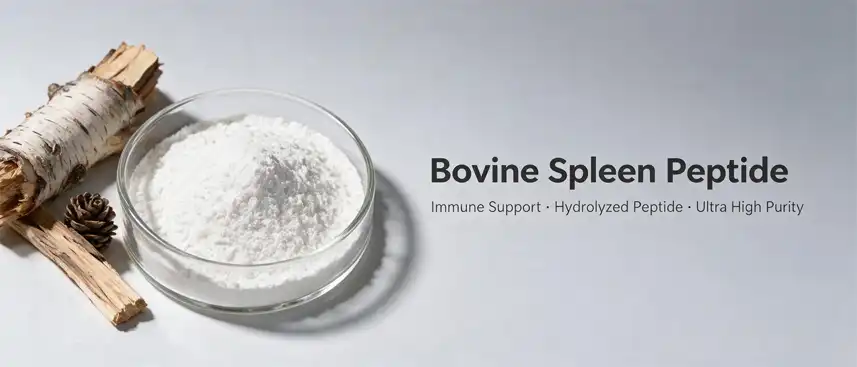
Bovine spleen peptide is a valuable small-molecule compound isolated from the spleen of cattle (buffalo or yellow cow) using enzymatic means. The peptides from bovine spleen include thymosin analogs, immunomodulatory fragments, and cytokine-associated proteins. These are distinct from collagen peptides or fish peptides, which are generally utilized for skin or structural improvement. These pieces assist defense cells in performing their function; therefore, they are a unique and beneficial element in health products.
Core Biological Functions
The molecular weight of excellent cow spleen peptide ranged from 150 to 1,000 Daltons. This enables direct absorption by the PepT1 intestinal peptide transport mechanism. This approach permits folks with a gastrointestinal system that is not operating properly to still be able to take it in. Further studies have shown that the peptide boosts the maturation of T-lymphocytes, increases the activity of macrophages, and stimulates the generation of cytokines. All these are significant markers of how effectively the immune system is operating.
Industrial Applications Across B2B Markets
There are three lines in the business-to-business segment using bovine spleen peptide. In therapeutic immunonutrition, it is added to medical nutrition for patients undergoing surgery or chemotherapy to boost their white blood cells. It is added to sports nutrition recipes for healing in an effort to maintain high IgA levels in the mucosa after rigorous exercise. It is combined with zinc and selenium in geriatric supplements to aid the elderly in fighting immunosenescence. This is a place where consumers desire plenty of beneficial elements that have been shown to work.
Key Quality Criteria for Bovine Spleen Peptide Selection
Raw Material Sourcing and Purity
You have to keep track of sources. High-quality bovine spleen peptide should be from authorized groups of disease-free calves with detailed records of where the livestock originated from. Verify the protein content is a minimum of 90% (dry basis) and the peptide content is a minimum of 80% using GPC or OPA technique. The ash content should be roughly 6%. These standards are in place to ensure the item is a real peptide hydrolysate and not an altered or watered-down ingredient.
Manufacturing Technology and Certifications
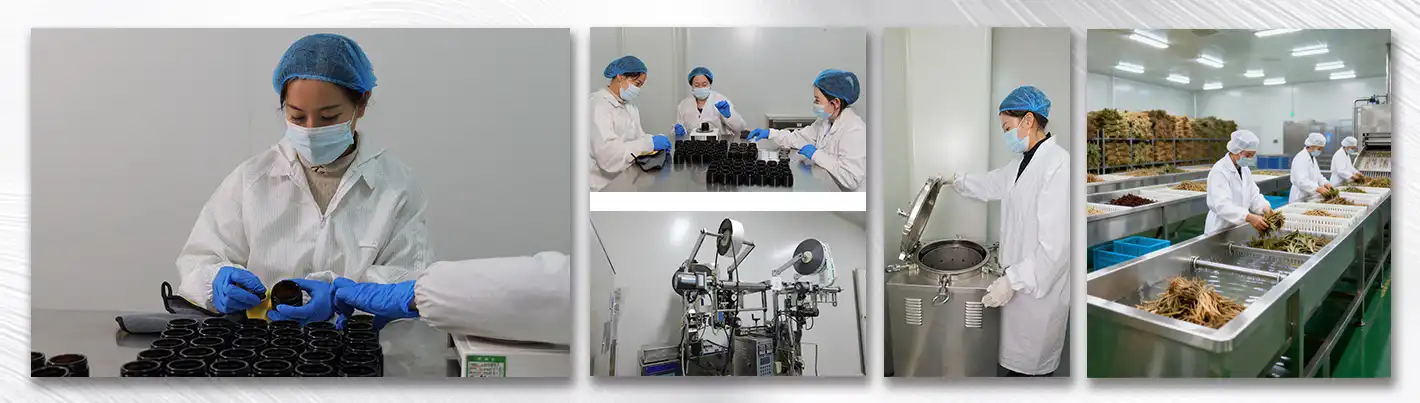
In current times, the enzymatic hydrolysis approach preserves bioactivity better than acid or alkali hydrolysis. If you are searching for a firm to manufacture your products, ensure that they have GMP- and ISO approved facilities. All bovine spleen peptide packages must be accompanied by full-batch documentation, third-party test reports, and a COA (Certificate of Analysis). This proves the vendor is reliable. The finished product should be a white to off-white powder that readily mixes in water and constitutes more than 99% of the combination.
Product Form, Stability, and Packaging
Powder form provides you with the greatest alternatives for dosing when you are manufacturing OEM items. But capsules are better for direct-to-consumer products. An excellent bovine spleen peptide powder must be stable at high temperatures even after cooking and sealing. Its bioactivity should also be maintained. “This item absorbs water so it should be packed in food-safe materials, and clearly marked so it does not do that,” he said. Products should include a clear list of how long the firm that manufactured them says they may be kept.
Comparing Bovine Spleen Peptide with Alternative Peptides
Bovine vs. Collagen and Fish Peptides
Most of the time, collagen peptides help keep skin, joints, and connective tissue healthy. Omega-3s from fish are known to be good for your heart and fight free radicals. Bovine spleen peptide, on the other hand, works to control defense through biological response modifiers (BRMs). An important part of its peptide makeup is glutamine and arginine, two amino acids that immune cells need to function. It also has nucleotides that help lymphocytes grow. When it comes to defense formulas, bovine spleen peptide does a more specific set of things than other peptide sources.
Bovine Spleen Peptide vs. Chicken or Human Spleen Peptides
It's worth noting that chicken spleen products don't have as many known health benefits as those made from cow spleen. They also contain less iron. Human spleen peptides can't be sold as food supplements because of things like ethics and the law. In the US and European supplement markets, bovine spleen peptide is best for immune and hematopoietic support formulas because it works well with pills, tablets, sachets, and functional drinks. Bovine spleen peptide forms that are already in capsule form are becoming more and more popular with direct-to-consumer brands that want to make dosing easier. People who want to buy in bulk should figure out which form works best for their production line before finalizing their talks with suppliers.
Delivery Form Trends in the B2B Sector
Market data indicates that powder remains the preferred delivery form for contract manufacturing clients due to its compatibility with capsules, tablets, sachets, and functional beverages. Capsule-ready bovine spleen peptide formats have grown in demand among direct-to-consumer brands seeking convenient dosing. Buyers entering larger-volume procurement should assess which form aligns with their production line requirements before finalizing supplier discussions.
Procurement and Supplier Selection: Ensuring Reliability and Cost-Effectiveness
When buying a bovine spleen peptide producer, looking at product specifications alone isn't enough. By going through a rigorous screening procedure, your supply chain will be free from mistakes and legal dangers. The major things you should check out before you agree to purchase from someone are:
- Manufacturing certifications: Make that the facility is GMP-certified and ISO-compliant, and has the ability to manufacture small batches and big production runs to accommodate swings in seasonal demand.
- Transparency of raw materials: Require comprehensive traceability paperwork including animal origin, slaughter certification, and raw material testing records including heavy metals, microbiological safety, and pesticide residues.
- Third-party testing: Before ordering in bulk, ensure that your protein supplier has 3rd party lab testing to verify protein content, peptide molecular weight distribution, and absence of adulterants.
A good provider of bovine spleen peptides will give you lab-quality samples for formulation testing without too many conditions as a fundamental sign of their trust in their product. Sample Ordering Policy:
- After-sales service: Evaluate response, technical documentation quality, and readiness to give reformulation assistance as part of continuous service.
- These indicators assist procurement professionals in distinguishing between vendors that want to make sales and partners they can trust. This makes it simpler and safer to compare two or three pre-screened providers on pricing, time to delivery, and minimum purchase quantities.
Ensuring Product Safety and Managing Risks
Known Side Effects and Contraindications
Bovine spleen peptide is generally well tolerated; however, some individuals may have moderate stomach upset, such as nausea or loose stools, particularly when they first begin taking it or while taking larger dosages. Procurement personnel who purchase items for consumer brands should make sure the item has been assessed for safety and that the packaging provides dosing guidelines.
Regulatory Compliance Requirements
Dietary items containing bovine spleen peptide must comply with FDA 21 CFR Part 111 GMP regulations in the US. “If you want to sell your goods in the EU, you have to respect EFSA rules, and if needed, REACH rules too. Always request from the bovine spleen peptide firm you are buying from a thorough regulatory dossier. This should contain export paperwork and evidence showing the nation is compliant.
Red Flags to Avoid During Procurement
Avoid vendors who cannot provide third-party testing findings, do not guarantee traceability of their raw materials, or have pricing that is considerably below the market norm without a good explanation. If a product looks, smells, or dissolves differently from batch to batch, it indicates flaws in the manner it was manufactured. Always inspect its quality before you send it out for a large sale.
Conclusion
Choosing the finest bovine spleen peptide depends on the supplier’s reliability, the quality of the manufacturing process, and the product specifications. Buyers who utilize established screening criteria, such as looking at certificates, asking for third-party test results, and purchasing samples before buying in bulk, always have an easier time getting decent ingredients and fewer supply difficulties. The quality of the ingredients you purchase will determine how effectively your items operate for your consumers. This is true whether you’re formulating for immunity, sports recuperation, or the health of the elderly. Ask the proper questions, and you will get to the appropriate source faster.
FAQ
1. What is the recommended dosage of bovine spleen peptide for supplement formulations?
Typical dosing in commercial formulations ranges from 200 mg to 1,000 mg per serving, depending on the intended application. Clinical immunonutrition formulas tend to use higher concentrations, while general wellness supplements use moderate doses. Always base final dosing decisions on safety data and target population needs.
2. How does bovine spleen peptide compare with human spleen peptides in efficacy?
Human spleen peptides are not commercially available for supplement use due to regulatory and ethical barriers. Bovine spleen peptide offers a scientifically comparable immunomodulatory profile, with documented activity on T-lymphocyte maturation and macrophage stimulation, making it the accepted commercial standard.
3. Can bovine spleen peptide be combined with other peptides in a single formulation?
Yes. Bovine spleen peptide is compatible with collagen peptides, fish peptides, and plant-based proteins in multi-ingredient formulations. Its thermostability and high water solubility make it easy to blend without compromising the bioactivity of co-ingredients. Confirm compatibility through small-batch trials before scaling production.
Partner with BioSpark for Your Bovine Spleen Peptide Supply
The biotechnology company BioSpark (Xi'an) Co., Ltd sells bovine spleen peptide that is fully compliant with GMP, has been tested by a third party, and has a record of where the raw materials came from. Whether you need small OEM runs or large-scale contract manufacturing, our team can help you make things from the time you have an idea to the time we send them to you. Our company is authorized to make bovine spleen peptide. To get samples and rates, email our buying team at leao@biosparkcn.com.
References
1. Weiner, H. L., & Mayer, L. (2004). Oral Tolerance: Mechanisms and Applications. Annals of the New York Academy of Sciences.
2. Brantl, V., & Teschemacher, H. (1994). Bioactive Peptides from Bovine Spleen: Immunological Activity. Journal of Peptide Research.
3. Grimble, R. F. (2001). Nutritional Modulation of Immune Function. Proceedings of the Nutrition Society.
4. Calder, P. C. (2013). Feeding the Immune System. Proceedings of the Nutrition Society.
5. Pasupuleti, V. K., & Braun, S. (2010). Protein Hydrolysates in Biotechnology. Springer Science & Business Media.
6. United States Food and Drug Administration. (2007). Current Good Manufacturing Practice in Manufacturing, Packaging, Labeling, or Holding Operations for Dietary Supplements. 21 CFR Part 111.

Send Inquiry

Related Industry Knowledge
- What Molecular Weight Do Fish Collagen Peptides Need?
- How Are Purslane Saponins Used in Natural Products?
- Purple Alfalfa Juice Powder OEM: Formulation and Private Label Guide
- Best Hami Melon Powder Supplier: A Buyer’s Guide
- Can white willow bark extract powder support arthritis discomfort relief?
- Is the best Tongkat Ali extract powder backed by scientific studies?
- Why Are Brands Using Cape Gooseberry Powder in Desserts?
- What Makes Premium Barley Sprout Flour Stand Out?
- Can gardenia fruit powder be used in skincare products?
- Why Ilex Leaf Extract Is Trending in Herbal Supplements?