Wolfberry Polysaccharide vs Goji Berry Extract: Key Differences
Nov 21, 2026
Wolfberry polysaccharide and goji berry extract come from the same fruit, but they are not the same ingredient. Wolfberry polysaccharide is a concentrated carbohydrate fraction with a defined assay. It suits formulas that need a measured, repeatable active. Goji berry extract is a broader fruit preparation that may carry carotenoids, polyphenols, flavonoids, and amino acids alongside polysaccharides. I recommend choosing by specification, not by name. Compare assay, molecular weight, solubility, and documentation before you approve either one. This guide explains each difference and shows how U.S. brands can buy with confidence.
Understanding the Two Ingredients
I start with plain definitions, because many buying mistakes begin with a vague product name.
What Is Wolfberry Polysaccharide?
Wolfberry polysaccharide, also called Lycium barbarum polysaccharides (LBP), is a group of sugar and glycoconjugate molecules that dissolve in water and are found in the dried fruit of Lycium barbarum L. The molecular weights given are between 10 and 2300 kDa. The parts are neutral and acidic, and they are made up of sugars like galactose, arabinose, and rhamnose. How the plant was grown, when it was picked, how it was taken off, and how it was dried all play a role in this. Two lots with the same name can do different things when used in a beaker or on a tablet press. They pay attention to how it looks, smells, melts, and how thick or thin it is. You should not think that all of the polysaccharides in wolfberries do the same thing. Instead, you should get a description and method list that was made just for the product.
What Is Goji Berry Extract?
Goji berry extract is a safe liquid made from goji fruit and the fruit itself. Because of how it was made, it might have minerals, amino acids, antioxidants, and colors like zeaxanthin dipalmitate in it. An extract that dissolves in water is one name for it. This type of extract is also known as an organic extract, a full-spectrum fruit extract, or a 10:1 or 20:1 ratio extract. This type of wolfberry polysaccharide keeps more of the fruit's original form than others. Numbers are the only way to know how much raw fruit was used. It doesn't show that the batches are right or that the information is live. Take the time to read the test, safety papers, carrying substance, moisture, ash, and goji berry extract before you buy it.
Wolfberry Polysaccharide vs Goji Berry Extract: Key Differences
The main difference is between broad botanical material and specific makeup. Wolfberry polysaccharide is a type of polysaccharide that is isolated or produced in greater quantities. There are different kinds of berries used to make goji berry juice. The label's language, the research match, the price, and how well it dissolves all vary. The best wolfberry polysaccharide on the market usually has between 30% and 50% polysaccharide. The polysaccharide number may be very low or not given at all because the weight is spread out in different parts of the goji berry. Sometimes it's not clear which option is better. Some tests don't tell you everything you need to know, and that's okay sometimes. What will happen tells us what to do. Different tests and ways of making two powders can cause them to work in different ways, even if they have the same name. This is how I read them.
Production, Testing, and Application Fit
Process and testing explain why two powders with similar labels can perform differently. Here is how I read them.
How Wolfberry Polysaccharide Is Produced and Tested
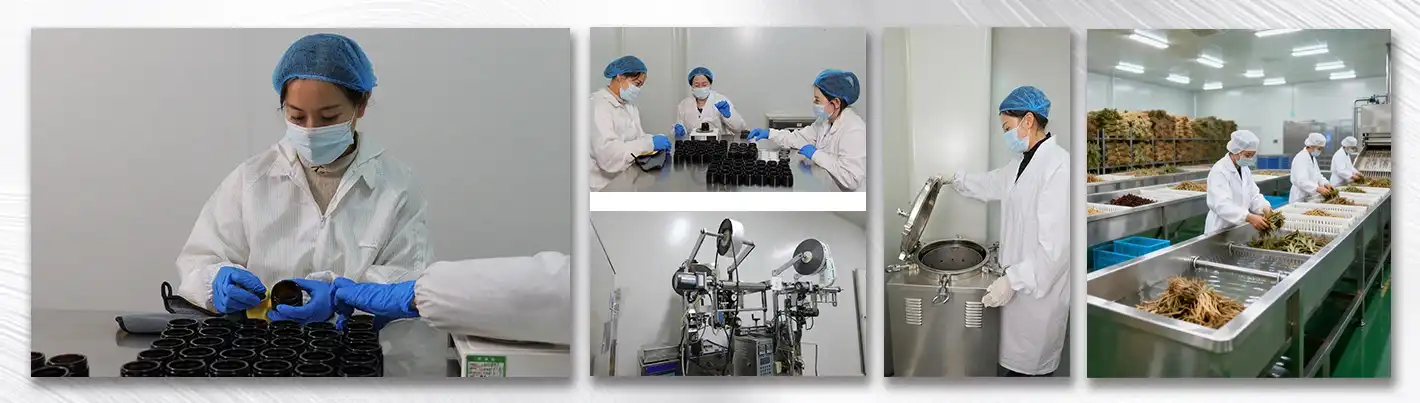
Wolfberry polysaccharide is usually made from the fruit of the Lycium barbarum after it has been washed, ground, and squeezed. The liquid is then squished, squeezed, mixed with ethanol, deproteinized, left to dry, and ground. The color, chemical weight, and ability to dissolve change at each step. The product itself stays the same. A good tool that checks for these things should still find heavy metals, pesticides, heavy metals in the soil, as well as water, ash, protein, pH, solubility, microbe limits, and solvents. An 80-mesh screen should let about 95% of the particles through, and the loss when it dries should be 5% or less. Also, there shouldn't be more than 5% ash. Pay attention to one thing. If you want to get a more accurate reading from the phenol-sulfuric acid method to see how much sugar is in something, you can add starch or maltodextrin. You can tell the difference between real extract and spiked material by looking at the monosaccharide profile and molecular weight distribution. This is to make sure that each COA has the right method, lot number, test date, and lab.
Which Ingredient Fits Different B2B Applications?
The way it's laid out and where it's put make it fit. Wolfberry polysaccharide performs admirably in controlled supplement formulas that require particular test results, including pills, tablets, and powder mixes. There is an easy way to make drinks with raw plant powders and a lot of water. This works best with drinks that have a pH level between 3.5 and 4.5. It can stick or cap when making tablets quickly because it soaks up water on its own. Granulating them usually makes them simple to move and squeeze. It can be added to plant mixes, recipes with whole fruits, and foods that need to taste more like nature. Make a little of each before you start the full plan to see how it dissolves, tastes, looks, stays stable at high temperatures, settles, how dense it is, and the dose size.
A Simple Decision Guide: Wolfberry Polysaccharide or Goji Berry Extract?
Match the ingredient to the product goal. If you need a clear test, a controlled mix, a substance that dissolves in water, or something that fits better with what we already know about the fraction, wolfberry polysaccharide is what you should use. If your idea comes from a whole fruit or a group of plants, you should use goji berry juice. Then, give each candidate a score based on a weighted matrix that includes logistics, technical support, batch consistency, analytical documents, and the total cost of landing. It should be stable, not change color or taste, work well with other ingredients, and be easy to make, as shown by tests on a small group of people. Your team will get written proof for every wolfberry polysaccharide or goji extract that works when you do this.
Sourcing Wolfberry Polysaccharide with Confidence
A good specification only helps if the supplier can meet it every time. These three steps cover the buying process.
How to Choose a Wolfberry Polysaccharide Supplier
You should only work with people who can always meet your goals. There are three things you need to do to buy something. Start with written purchasing specifications like the molecular weight (if that's important), how it breaks down, how it looks, the particle size, the level of moisture, the microbes that live in it, how it's packed, and how much space it takes up every year. Next, find out how well they can keep track of botanicals, who owns the product, their GMP or food safety systems, how much help they can give you, and how much experience they have shipping. Part 111 of 21 CFR says that food and drug companies in the US must check each pill to make sure it is real. You can also count on the COA from a good service for other things. It is important to follow the rules that your wolfberry polysaccharide provider gives you. At BioSpark, everyone uses the same list. We keep an eye on the raw materials, the steps in the production process, and the final check of the product, just like other quality systems around the world do. You should try some samples first before you compare prices. Next, talk about the MOQ, the wait time, Incoterms, and the rules for long-term supply change control.
Common Procurement Mistakes and How to Avoid Them
It's clear that many mistakes are made. It sounds pure when the number is 10:1 or 20:1. They think that all wolfberry polysaccharide comes from the same place. No matter how well it breaks down or how heavy it is, they don't care. They don't look to see if the studies used are the same ones that were used on something else. Some people are also okay with a supplier whose package of documents is missing some pieces. As long as there are clear measurement standards, tried-and-true methods, example samples, application trials, and proof that the provider is qualified, these risks are smaller. Taking care of claims is also important. The Food and Drug Administration (FDA) says that claims about structure and function must be true, backed up by proof, and come with a disclaimer from the FDA. It's not okay to say you're sick. You can't say the same thing about the real thing as you did about the lab fraction.
What to Include in an RFQ
When you send a full RFQ, suppliers can quote on the same terms. BioSpark supports OEM and ODM projects, from small-batch customization to large-scale production, in forms matched to client needs. I believe you should include the following three types of facts:
• Write down the plant source, the wolfberry polysaccharide test you want to do, the extraction ratio (if it applies), the molecular weight needs, the solubility goal, the grade, and the particle size. State whether the ingredient goes into a capsule, tablet, powder blend, or beverage, so the supplier can recommend a suitable form and flag problems early.
• Documents: Ask for a current lot-specific COA, technical data sheet, SDS, manufacturing flow chart, GMP or food safety certificates, allergen and non-GMO statements, and pesticide, heavy metal, and microbiological results. Documents that arrive with the quote show how a supplier handles audits and customer questions later.
• Commercial terms: State trial and annual volumes, packaging, shelf-life expectations, sample needs, MOQ, bulk pricing, lead time, delivery terms, and any OEM, ODM, or private-label requirements. Clear forecasts let the supplier plan production, whether you start with a small batch or a large order.
A complete RFQ shortens the quoting cycle and exposes specification gaps before they become production delays.
Conclusion
Wolfberry polysaccharide and goji berry extract share a botanical origin but serve different purposes. The clear carbohydrate part of wolfberry polysaccharide offers measurable assay, molecular weight, and solubility, which suits capsules, tablets, powders, and acidic beverages. Goji berry extract keeps a wider mix of fruit compounds and fits whole-fruit or blended concepts. Extraction ratios alone do not prove purity, and the phenol-sulfuric acid method can read high when starch or maltodextrin is present. COAs, molecular weight data, and monosaccharide profiles therefore matter. Supplier qualification, traceability, and U.S. rules under 21 CFR Part 111 and DSHEA also shape the purchase. Pilot testing against written specifications gives the most dependable choice between the two ingredients.
FAQ
Is wolfberry polysaccharide the same as goji berry extract?
Wolfberry polysaccharide is a known amount of a certain type of carbohydrate. Goji berry extract is a more general fruit preparation with many parts.
Does a 20:1 ratio mean higher polysaccharide content?
No. A ratio describes raw material input, not active concentration. Find out about a math test and how it will be given.
What assay is typical for premium wolfberry polysaccharide?
People often use the phenol-sulfuric acid method to see if 30% to 50% of high-quality industrial grades have polysaccharides in them. Confirm the exact value on the lot COA.
Should I rely on published research alone?
No. Studies often use purified laboratory fractions. Make sure your commercial material matches the specification, and run application tests before launch.
Can BioSpark support private-label projects?
Yes. Our customers have different needs, so we offer a range of OEM and ODM services, from large-scale production to making a small batch unique.
Request Wolfberry Polysaccharide Samples from BioSpark
BioSpark, based in Xi'an, supplies wolfberry polysaccharide for use in making drinks and dietary supplements. No matter how big or small the order is, we can help with OEM and ODM. Our group's job is to control raw materials, production, and finished-product testing. Our goods are sent all over the world, including North America and Europe. Looking for a wolfberry polysaccharide supplier? To learn more, go to https://www.biosparkcn.com/ or email sales@biosparkcn.com with your target assay, application, and volume.
References
1. Planta Medica, 2010. Goji (Lycium barbarum and L. chinense): Phytochemistry, Pharmacology and Safety in the Perspective of Traditional Uses and Recent Popularity.
2. Food Research International, 2011. A Review of Botanical Characteristics, Phytochemistry, Clinical Relevance in Efficacy and Safety of Lycium barbarum Fruit (Goji).
3. International Journal of Biological Macromolecules, 2013. Biological Activities and Potential Health Benefit Effects of Polysaccharides Isolated from Lycium barbarum L.
4. Food Chemistry, 2018. Lycium barbarum Polysaccharides: Extraction, Purification, Structural Characterisation and Evidence about Hypoglycaemic and Hypolipidaemic Effects. A Review.
5. Code of Federal Regulations, 2007. Title 21, Part 111: Current Good Manufacturing Practice in Manufacturing, Packaging, Labeling, or Holding Operations for Dietary Supplements.
6. Dietary Supplement Health and Education Act, 1994.

Send Inquiry
You may like