_1764041963888.webp)
Why is Holy Berry powder Gaining Attention in Functional Foods?
Jul 31, 2026
Holy berry powder is capturing significant interest within the functional foods sector because it delivers natural hormonal support without introducing synthetic hormones into formulations. Derived from Vitex agnus—castus—commonly known as chasteberry—this botanical extract works by influencing pituitary function to help regulate luteinizing hormone and prolactin levels. Modern consumers increasingly seek clean-label wellness solutions backed by traditional use and contemporary research, positioning chasteberry extract as an attractive ingredient for brands developing women's health products, hormone balance supplements, and holistic wellness formulations that align with current market demands.
Understanding Holy Berry Powder and Its Nutritional Profile
What Exactly Is Holy Berry Powder?
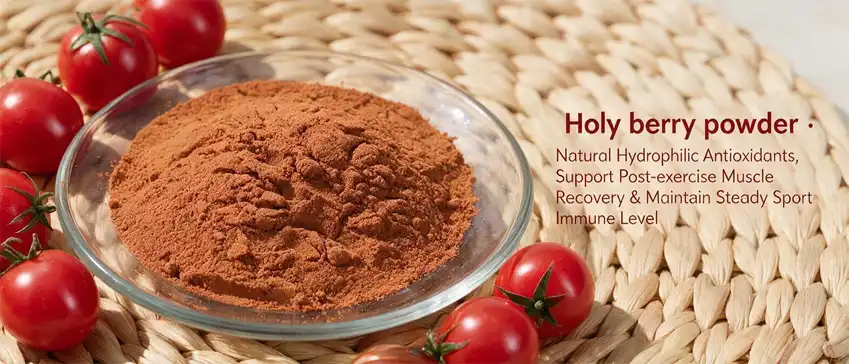
Holy berry powder comes from the fully dried seeds of Vitex agnus-castus, a growing plant in the Verbenaceae family that has been used in European herbal medicine for hundreds of years. Manufacturers use advanced plant extraction techniques to turn these berries into a concentrated powder that keeps the beneficial chemicals of the plant while making it more stable and easy to use. In the production process, high-quality fruits are usually pressed mechanically to get the juice out first, and then the pulp is gently extracted to get the lipid-soluble actives. After being concentrated under low temperatures, the mixed extract is spray-dried with natural maltodextrin. This makes a fine powder with particles that are between 80 and 120 mesh. This careful processing makes sure that the material flows easily and spreads out quickly in liquid formulas.
Core Nutritional Components and Active Ingredients
This botanical powder is good for you because it has a unique profile of phytochemicals. Iridoid substances, flavonoids like vitexin, diterpenes, and phytosterols are the main active ingredients in the extract that give it its useful qualities. These parts don't give hormones directly; instead, they work on the pituitary gland to slowly change the release of luteinizing hormone and help stop too much prolactin. This secondary process helps the body's natural balance of progesterone, which is why it has been used for women's health for a long time.
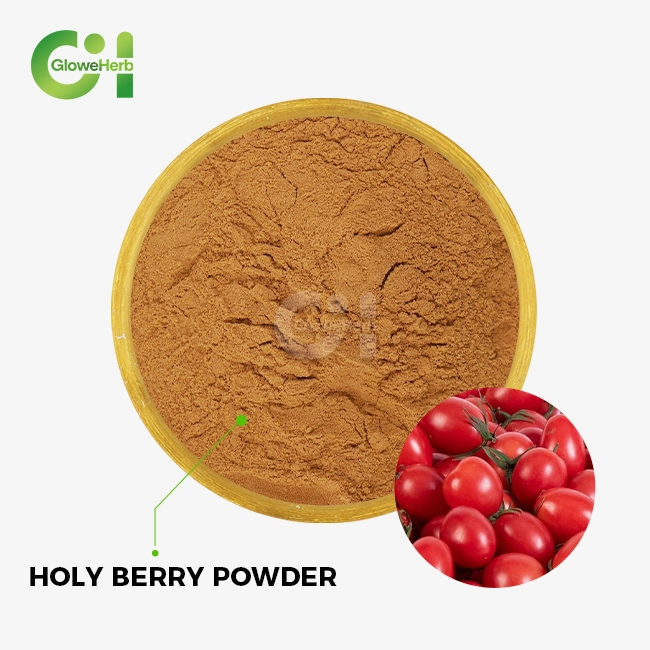
Thin-Layer Chromatography testing shows that premium-grade Holy berry powder goods are usually 99% pure, which means that the strength is the same from batch to batch. The powder looks like a fine, dark brown to brownish-gray substance that smells like herbs. Because it only slightly dissolves in water but easily dissolves in ethanol, it can be used in a variety of delivery forms, such as capsules, tinctures, and specialised drinks. Keeping the moisture level below 5% stops microbes from growing and extends the shelf life. A bulk density of 0.40 to 0.65 g/ml makes dosing more accurate during formulation.
Processing Methods Impact Quality and Efficacy
The way the material is extracted has a big effect on the quality and usefulness of the finished product. Combining solvent extraction with mechanical pressing is a way to get both water-soluble and lipid-soluble chemicals. This makes the percentage of bioactive components higher. Flavonoids and volatile chemicals that would normally break down in high-temperature processing methods are kept intact by low-temperature methods.
Using natural carriers in spray-drying technology makes powder more stable and resistant to water absorption, which keeps it from sticking while it's being stored or transported. Products made with these advanced methods have better flowability, which is important for high-speed encapsulation equipment and tablet compression operations. When active substances are standardised to certain percentages, formulators can make goods with known efficacy profiles. This is especially helpful when making clinical-grade supplements or doing efficacy studies.
The Functional Benefits Driving Demand in B2B Markets
Hormonal Balance and Women's Wellness Applications
Hormonal balance support is the main functional benefit that is driving commercial interest. According to research, Holy berry powder changes the way dopaminergic pathways work in the brain. This changes the release of hormones from the pituitary gland. This is why it has been used traditionally to ease premenstrual pain, help women have normal periods, and promote sexual health.
This botanical method works with the body's endocrine system instead of against it, which is different from synthetic hormone replacement treatments. This softer modulation appeals to people who want natural alternatives and puts products with this ingredient in the women's wellness category, which is growing quickly. Holy berry powder is often used by companies that make pregnancy vitamins, fertility support formulas, and menopause transition goods to make their products stand out in a market that is already very competitive.
Anti-Inflammatory and Antioxidant Properties
In addition to their hormonal effects, the flavonoid and polyphenol chemicals in Holy berry powder are very good at fighting free radicals. These chemicals help get rid of free radicals, which may lower oxidative stress that speeds up the ageing process and inflammation. The fact that the ingredient can help with both hormonal balance and oxidative stress makes it very useful for all-around wellness products.
The ability to reduce inflammation has uses beyond women's health and into other areas of health. Because of these qualities, formulators who are making vitamins for joint health, heart health, and healthy ageing can use them to make goods that help with more than one health issue. Supporting metabolic function and protecting against free radicals makes a product more appealing in places where people want complete answers instead of supplements that only do one thing.
Emerging Applications in Personal Care and Cosmeceuticals
A new discovery has made it possible to use Holy berry powder in skin care products that you put on your skin. The polyphenol content and antioxidant qualities that are good for your body can also be used to treat facial problems like ageing, inflammation, and uneven skin tone. This plant product is used by companies that are making natural cosmetic lines in serums, creams, and special treatments for hormonal acne or sensitive skin.
Making formulas for hair care is another new area of use. Products that treat hair loss that might be caused by changes in hormones include Holy berry powder as an extra ingredient in addition to normal hair health nutrients. This mix of nutritional vitamins and personal care items that you put on your skin is part of a larger trend in the beauty industry toward inside-out beauty methods that use both oral and external treatments.
Comparison Analysis: Holy Berry Powder vs Other Popular Functional Powders
Nutritional Differentiation from Moringa and Turmeric
Compared to useful products like moringa and turmeric that are used by a lot of people, Holy Berry Powder has unique health benefits that can help you reach your goals. Moringa powder is a general nutritional supplement because it contains a wide range of micronutrients, such as calcium, protein, vitamins A, C, and E. Curcumin molecules in turmeric powder have strong anti-inflammatory benefits that mostly help with joint health and metabolic function.
When it comes to supporting hormones, Holy berry powder is unique. All three ingredients are antioxidants, but only Holy berry powder has the compounds that affect the pituitary gland and help keep hormones in balance. Because of this functional specificity, formulators can make targeted products instead of general health supplements. When Holy berry powder is mixed with other ingredients that work well together, like magnesium, vitamin B6, or omega-3 fatty acids, it makes formulations that work better to help women's health in ways that are connected.
Sensory Characteristics and Formulation Considerations
Sensory qualities have a big impact on the choice of ingredients for market goods. Holy berry powder has a strong herbal smell and a slightly bitter taste that needs to be carefully added to other ingredients. These sensory traits are successfully hidden by encapsulation, which also keeps the active chemicals from breaking down. Flavouring systems can balance out the plant notes in drinks or gummy vitamins by adding flavours that go well with them.
The earthy, slightly spicy taste and unique golden colour of turmeric make it harder to formulate, while the softer, slightly grassy taste of moringa is easier to use in food and drinks. When choosing ingredients for different transport forms, product designers have to weigh these sensory factors against the ingredients' usefulness. Because Holy berry powder doesn't dissolve as well in water as moringa powder does, it affects the choice of medium and the way the drug is made.
Certification and Quality Considerations for Procurement
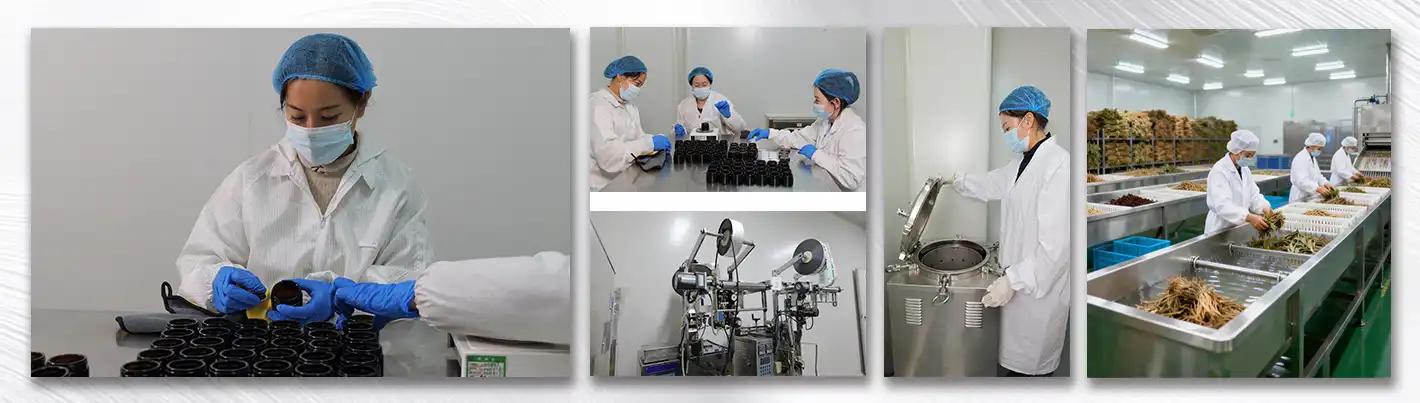
Quality metrics and certification status have a direct effect on how ingredients are bought and how the finished product is positioned. Premium Holy berry powder from trustworthy makers comes with a wide range of certificates, such as ISO9001, Kosher, Halal, FDA registration, and GMP compliance. These certificates reassure buyers that the products they buy are made well, can be tracked, and meet food safety standards.
Organic approval costs more, but brands that want to appeal to natural and organic consumers like it. Mainstream product lines can save money by using non-organic grades that meet conventional agricultural standards. Procurement managers have to find a mix between the need for approval and the needs of the target market and the price point. Full analytical reports, such as those for heavy metals, pesticide residues, and microbes, are available. This helps with regulatory compliance and risk management strategies.
Sourcing Holy Berry Powder: Procurement Insights for B2B Buyers
Supplier Evaluation Criteria and Due Diligence
To find a trustworthy Holy berry powder provider, you need to carefully look at several factors. To find out if a provider can help a business grow, you should look at their manufacturing skills. These include their production capacity and how flexible they are for both small-batch custom orders and large-scale commercial production. Startups and R&D teams can test new formulations with minimum order quantities as low as one kilogram. For established production operations, bulk packing in 25-kilogram drums works best.
The most important thing to look at when judging something is the quality assurance protocols. Suppliers should give Certificates of Analysis that are unique to each batch. These should show the purity levels, active ingredient content (verified by Thin-Layer Chromatography), and full safety screening. Traceability systems keep track of raw materials from the time they are harvested until they are packaged. This lets problems with quality be fixed quickly and helps businesses follow the rules. Site checks or inspection reports from a third party make sure that factories keep things clean and follow the steps that are written down.
Pricing Dynamics and Total Cost Considerations
The price of Holy berry powder depends on a number of things, such as the level of purity, the state of the certification, the size of the order, and the operations of the supply chain. Higher-concentration powders are less expensive than high-purity extracts that are standardised to have 99% active content. Organic and speciality approvals come with extra costs that brands can explain when they're going after high-end customers.
The stated price of the item is only part of the total landing cost. Other costs include foreign shipping, customs taxes, storage, and quality testing. Buyers can get the best logistics for their needs when suppliers offer different shipping options, such as FOB, CIF, CFR, EXW, DAP, or DDP. When it comes to shipping, sea freight is the most cost-effective way to move large amounts of goods. Express shipping is best for urgent orders or product launches that need to happen quickly. Bank transfers are usually the best way to pay, but some suppliers offer better terms to long-term customers or require deposits for new accounts.
Building Strategic Supplier Relationships
Long-term supply security relies on building ties that go beyond just buying things. Suppliers who keep enough stock on hand and can deliver quickly keep businesses from having to deal with production delays and stock-outs. With OEM and ODM services, brands can make their own formulas, custom packaging, and private-label products without having to spend money on manufacturing infrastructure.
Product development times are cut down by getting technical help from suppliers who know what they're doing. Help with regulation paperwork, formulation advice based on clinical research, and dose suggestions all add value on top of providing raw materials. Suppliers that know about regional legal standards, like the FDA's rules on dietary supplements for the US market, make it easier for brands to stay in line. Communication timeliness and the ability to meet unique needs are what set excellent sellers apart from commodity providers.
Future Trends and Strategic Outlook in the Functional Food Industry
Clean Label and Natural Ingredient Preferences
Clean-label products with ingredients that can be identified and require little processing are becoming more and more popular among consumers. In line with this trend, botanical products like Holy berry powder offer health benefits through naturally occurring substances instead of man-made additives. Being open about where the products come from, how they're processed, and the results of tests helps build trust with customers and supports premium marketing.
As regulations change, they favour natural products that have been used for a long time and are known to be safe. The Holy berry powder has been used in European plant treatment for hundreds of years, which is historical evidence that supports the regulatory approval process. As governments around the world keep a closer eye on synthetic additives and chemicals that mess with hormones, natural alternatives become more valuable in formulation strategies.
Personalized Nutrition and Targeted Formulations
Instead of making goods that work for everyone, the functional foods industry is moving more and more toward personalised diet plans that meet each person's unique health needs. Because Holy berry powder can help keep hormones in order, it works perfectly in formulas made for specific groups of people. When it comes to value, products made especially for premenstrual syndrome, fertility support, or perimenopause management are much better than general multivitamins.
Complex personalisation programs are made possible by combining technologies like microbiome tests, hormone screens, and genetic analysis. New business models include subscription services that change formulas based on changing health data. It's easier to personalise and track results when ingredients have clear mechanisms of action and measurable results, like Holy berry powder's effect on prolactin and luteinizing hormone.
Synergistic Formulation Strategies
More and more, new functional foods are being made by combining ingredients that work together in different ways to solve complex health problems. Holy berry powder works well with adaptogens like ashwagandha to help with hormonal changes caused by stress, with important fatty acids to help with inflammation, or with certain micronutrients that help the endocrine system work. When compared to single-ingredient products, these synergistic formulations offer more benefits.
Strategic recipe choices are based on research into how herbs and nutrients interact with each other. Figuring out how the dopaminergic effects of Holy berry powder work with magnesium's role in making neurotransmitters or vitamin B6's role in hormone processing makes it possible to make more advanced products. Brands that put money into this research set their products apart by using formulations that are based on evidence and scientific reasoning instead of marketing hype.
Conclusion
There are a lot of reasons why Holy berry powder is getting more attention in functional foods. These include: more people wanting natural hormonal support, scientific proof of traditional herbal uses, and more uses in supplement and personal care products. The ingredient's unique way of working—gently changing the pituitary gland's function instead of adding outside hormones—meets the needs of the core market and fits with the trend toward clean labels. As personalised nutrition grows and formulation technology improves, this botanical extract is set to continue to grow. When business-to-business buyers build relationships with quality-certified suppliers, learn about regulatory landscapes, and use technical support, they can take advantage of opportunities in women's wellness, integrative health, and new cosmeceutical uses that will shape the future of the functional foods industry.
FAQ
1. What Is the Recommended Dosage for Chasteberry Powder in Supplements?
Doses of 20 to 40 milligrams of standardised chasteberry powder per day are usually used in clinical studies to look at its effects on premenstrual syndrome and regular periods. The right dose depends on the quantity of the extract, the health benefit, and the person's reaction. To come up with evidence-based dosing suggestions, product makers should look at published studies and work with qualified medical professionals. In target areas, regulatory rules may also set maximum daily intake levels that formulations must follow.
2. How Does Chasteberry Extract Compare to Synthetic Hormone Therapies?
The way Holy berry powder works is very different from how manufactured hormone replacement works. Instead of adding hormones from outside the body, the plant chemicals affect how hormones are made by the pituitary gland by working on dopamine receptors. When compared to pharmaceutical hormone treatments, this indirect method usually has softer results with fewer side effects. Different methods work at different times. For herbal remedies to work best, they need to be used regularly for several menstrual cycles. For manufactured hormones, on the other hand, changes may happen more quickly.
3. What Quality Certifications Should B2B Buyers Prioritize?
GMP compliance, which checks the quality systems used in manufacturing, and ISO9001, which shows how well an organization manages quality, are two important certifications for buying Holy Berry powder. Food safety approvals, such as FDA registration, give goods that are coming into the United States market peace of mind. Kosher and Halal licenses make it easier for businesses to reach customers who follow religious food rules. Natural product brands like organic certification, but it means that farming methods must be checked all the way through the supply chain. Along with licensing credentials, full testing records should be sent, including results from microbe analysis, heavy metals, chemical residues, and potency checks.
Partner with BioSpark for Premium Chasteberry Powder Supply
As a reliable company that makes Holy berry powder and high-purity extract, BioSpark (Xi'an) Biotechnology Co., Ltd. has all the right licenses and strict quality control in place. Thin-Layer Chromatography confirms that our 99% standardised extract has the constant potency that formulators need for goods that are focused on effectiveness. We meet foreign rules in all markets because we are certified by ISO9001, GMP, Kosher, Halal, and FDA. Our OEM and ODM services help brands from the first idea to the final delivery. We can produce anything from a single kilogram for a test run to large commercial batches. Keeping an eye on inventory makes sure that delivery is quick and reliable, whether it's by express, air, or sea freight, and that the delivery terms are clear. Get in touch with our team at leao@biosparkcn.com to talk about your needs for a Holy berry powder supplier and find out how our technical knowledge and full-process support can help you get your product to market faster.
References
1. Ghaemi, S., & Jalili, C. (2019). "Pharmacological Effects of Vitex agnus-castus L.: A Systematic Review." Journal of Ethnopharmacology, Volume 243, examines clinical evidence for hormonal regulation mechanisms.
2. Webster, D. E., Lu, J., Address, S. N., Farnsworth, N. R., & Wang, Z. J. (2006). "Activation of the mu-opiate receptor by Vitex agnus-castus methanol extracts: implication for its use in PMS." Journal of Ethnopharmacology, exploring receptor interactions.
3. Daniele, C., Thompson Coon, J., Pittler, M. H., & Ernst, E. (2005). "Vitex agnus castus: a systematic review of adverse events." Drug Safety, comprehensive safety profile analysis.
4. Van Die, M. D., Burger, H. G., Teede, H. J., & Bone, K. M. (2013). "Vitex agnus-castus extracts for female reproductive disorders: a systematic review of clinical trials." Planta Medica, clinical efficacy evaluation.
5. Roemheld-Hamm, B. (2005). "Chasteberry." American Family Physician, practical clinical guidance for healthcare practitioners.
6. Cerqueira, R. O., Frey, B. N., Leclerc, E., & Brietzke, E. (2017). "Vitex agnus castus for premenstrual syndrome and premenstrual dysphoric disorder: a systematic review." Archives of Women's Mental Health, mental health applications review.

Send Inquiry
Related Industry Knowledge
- Can pomegranate peel extract powder help boost natural immunity defense?
- Miltiorrhiza Root Extract Powder Benefits: Is It Heart-Protective?
- Why Are Brands Using Cape Gooseberry Powder in Desserts?
- Does Ganoderma Extract Powder Help with Stress and Sleep?
- Why Red Bean Extract Is Trending in Health Products?
- Can Mimosa Root Bark Extract Calm Irritated Skin?
- Can Kacip Fatimah Extract Ease Menopause Symptoms?
- Why Broccoli Extract Powder Boosts Cellular Health Naturally?
- Broccoli Extract Powder: Potent Antioxidant & Detox Support
- Yacon Root Extract: Natural Sweetener With Low Glycemic Index