Why Choose Dehydrated Purple Yam Powder for Ube Products?
Nov 19, 2026
Fresh tubers have three main problems: they don't last long, they're hard to peel, and they're hard to find. These problems can be fixed with dehydrated purple yam powder, which is great for ube products. BioSpark (Xi'an) Biotechnology Co., Ltd.'s dehydrated purple yam powder has 10% anthocyanins, as confirmed by HPLC. It is sieved to 100–120 mesh and keeps moisture at 7% or less. Each batch can be stored, weighed, and dosed in the same way. It gives natural purple color and a mild note of potatoes to drinks, baked goods, and health foods. How does it work? How does it stack up? How do I get it?
What Dehydrated Purple Yam Powder Is and How We Make It
What Is Dehydrated Purple Yam Powder?
It is possible for the purple yam, also known as Dioscorea alata, and the purple sweet potato, also known as Ipomoea batatas, to have different colours, flavours, and amounts of starch due to the fact that they are two different species. There is the possibility of preparing purple yam tubers into a powder that may be bought once they have been dried.
How Is Dehydrated Purple Yam Powder Made?
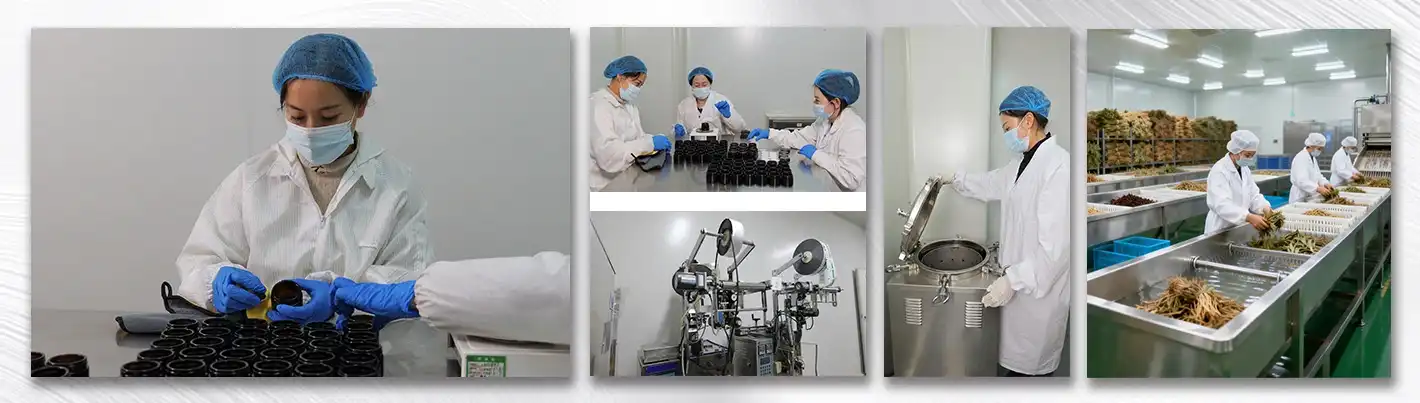
This part comes from plants in China and is used. The potatoes are cleaned, peeled, cut, and juiced by our team. In order to get rid of the extra pulp, water is added to the tank. This extracts the anthocyanins and polysaccharides that are still in the pulp. With great care, we strain the extract, mix it with the first juice, and then heat and press it under a vacuum to make it stronger. Maltodextrin and anti-caking agents are sometimes added to the mix to make it flow better and stay stable. It is then spray-dried, jet-milled, sieved, and heated slowly to kill any germs. Please look at the list of ingredients for the grade you want because some of them may have carriers in them.
Key Specifications at a Glance
When someone wants to buy something, this is what I tell them. An HPLC test shows that anthocyanins make up 10% of the powder. Among the colors, cyanidin-3-glucoside and peonidin-3-glucoside stand out. They have a mesh size of 100 to 120. They have a bulk density of 0.4 to 0.6 g/ml and no more than 7% water. You can add water and ethanol to the powder, but not all the way. Firms can get as little as 1 kg to try it out. It comes in 25-kilogram drums. The COA shows that each batch is tested in the lab to make sure it is safe, pure, and consistent. They can help your R&D team start making plans for how to dose and how the process will work.

Nutrition, Pigments, and Health Considerations
Anthocyanins Behind the Purple Color
Anthocyanins are plant dyes that give red, purple, and blue foods their color. They break down in water. There are mainly peonidin-3-glucoside and cyanidin-3-glucoside in our dehydrated purple yam powder. The pH changes the color. Anthocyanins turn red when acids hit them. They turn blue or green when bases hit them. In 2010, a review paper on anthocyanins talked about how pH, heat, light, and oxygen can all change them. This means that the same powder can make a lemon-flavored filling and a plain milk drink look different. Take a look at the color in your own base to be sure.
Nutrition Profile and Claim Limits
Purple yam has vitamins, minerals, fiber, resistant starch, and polysaccharides. There is no way for me to give you a number because it does not say how much of those things are in this powder. The serving size and the number of calories, carbs, fiber, or sugar may be written on the package. To get the right grade, get a specification sheet and lab data. The nutrition facts can be changed by things like maltodextrin, so it's important to get the right grade. What you say about health or how things work in the US needs to follow FDA rules and be backed up with proof. Your label and brand will be safe if everything is clear.
Storage and Pigment Retention
It's important to store anthocyanins properly because they can change color when they are exposed to light, heat, oxygen, and humidity. In 2007, the Journal of Food Engineering published a paper about spray-dried black carrot anthocyanins. The paper says that maltodextrin carriers can help keep pigments safe while they dry and are stored, which makes sense and explains why some grades have carriers. We sterilize and concentrate in a vacuum at a low temperature so that as little heat as possible hits the things we are working with. Keep the drums closed and put them somewhere cool, dry, and out of the light. Also, make sure to seal them again after each use. The powder should be able to flow freely if the moisture level is 7% or less, but it can still clump in open containers kept in humid warehouses.
Why Dehydrated Purple Yam Powder Fits Ube Product Development
Practical Advantages of Dehydrated Purple Yam Powder over Fresh Tubers
When compared to fresh roots, a dry format doesn't require as much of a cold chain. This allows you to make things all year long and makes it easier to plan your inventory.
Comparison of Dehydrated Purple Yam Powder with Alternatives
Before you pick out the ingredients, you should think about how much money you have, how many steps you want to take, and what tastes you want to achieve. With fresh purple yam, some fancy recipes work better, but it's more work and harder to keep track of how much you make. Yes, you can use purple sweet potato powder instead of regular sweet potato powder. This is because each plant has its own taste, color, and how its starch acts. Freeze-drying powder might make it taste and look better for longer, but it costs more. In other words, the purple color isn't just from the plant. A lot of the time, candy ube mixes have sugar, flavoring, or color added to them. Organic and conventional grades also come in different shapes and cost different amounts. I believe you should compare the two in your own base before you decide to add volume.
Fit for Pilot Batches and Wholesale Programs
Every customer has different volume needs. One company might need a 1 kg sample to test a new ube latte, and another company may need to regularly order drums. Customers in business can only order 1 kg at a time, and orders over that amount are packed in 25 kg drums. It's also on the table to change the shape of the product and make more of it under a private label. In that price range, you can try out a recipe first and then do business with the same partner again. BioSpark is an OEM and ODM partner, which means they can help with making formulas, packaging them, shipping them, and making sure they get to the right place. For each step, this means your team doesn't have to work with different vendors.
Applications and Rehydration in Product Development
Bakery, Confectionery, and Dairy
Dried purple yam powder is used in the production of a wide range of baked goods, and this is done as part of the process of evaluating recipes. Breads, cookies, cakes, fillings, frozen dough, ice cream, and other dairy products are all examples of baked goods that fall under this category. Other baked goods include ice cream and other dairy products.
Beverages and Instant Mixes
Among these are boba tea, coffee drinks with ube, dairy drinks, and plant-based milks. Our dehydrated purple yam powder dissolves in water when put through a 100–120 mesh screen. But each base reacts in its own way. To do a basic rehydration step, stir the liquid and add the powder slowly. Let it soak up the liquid, and if there are any lumps, change how fast these are being mixed. Lastly, over time, keep an eye on the color, how it feels in your mouth, how it settles, and how it spreads out. The powder mixes with sugar, fat, starch, and stabilizers. The pH level changes the color. In your practice notes, write down the exact grade and lot number so that you always get the same results. People who carry may be present in some grades.
Nutritional Products and Trial Variables
This powder is not simply good for fruit and vegetable purees and meal replacement powders. Please submit us your dosage form at the earliest. "The most essential factors with supplements are how the powder flows, how thoroughly it is blended, and how much carrier there is. The salt, sugar, fat, starch, and the way the stabilisers operate together all impact how effectively the supplement works. If tests are running, do just one item at a time. Then do a test batch to ensure your recipe is correct. There are many ways to test the powder. It may not operate the same whether it is heated, frozen, baked, acidic, or moist. A concise trial strategy will save paper and time.
Choosing the Right Dehydrated Purple Yam Powder Supplier
Specifications and Documents to Request
Before you buy something, it's helpful to make a short list of things you should ask. These include the name of the plant, what it's made of, how much anthocyanin it has, how it was tested, how much water it has, the size of the particles, its color, and how it was stored. You should also ask for a batch COA, a specification sheet, information on how to track the product, and any allergen statement or certificate that your US customers will need. For example, our dehydrated purple yam powder has 10% anthocyanins, 10% moisture or less, and 100–120 mesh. The COA shows the results of the batch tests. Don't judge powders by how they look; use samples in real recipes to see how they work. Two powders that look the same might behave differently in a hot oven or a cold latte.
How to Evaluate a Manufacturer or Exporter
Price per kg doesn't always show what's going on. Check the quality, the amount of work that can be done, the paperwork, the speed of communication, and the ability to export. When a company makes or sells dehydrated purple yam powder, it should be clear about where its ingredients come from, how it tests its goods, and the steps it takes to make the powder. Besides that, it provides technical answers with facts. BioSpark helps with making formulas, shipping them, packaging them, and making sure they work. We have customers in Europe, North America, South America, Southeast Asia, and the Middle East. Before you buy from anyone, make sure you get a full quote that includes the product grade, testing, packaging, lead time, payment terms, shipping terms, and who is responsible for delivery. From now on, things won't go wrong if you have good sample, trial, and wholesale terms.
Common Risks When Buying Dehydrated Purple Yam Powder
A lot of people do these three things wrong. People don't understand why purple yam and purple sweet potato taste and look different when mixed. Second, they think "natural" means it doesn't have any extra stuff in it, even though some grades may have fillers or things that keep the powder from sticking together. Third, price is the only thing they consider when choosing a supplier. Every mistake can change the way it looks, tastes, feels, or is labeled, or it can make it not follow the rules. Keep an eye on the packaging and read the full list of ingredients before you place your order. This will help you understand where the plants come from. Find out early on if there are any rules about contaminants, labels, or paperwork that you need to bring the goods in. It costs a lot more to fix a label problem after the shipment has already been made than to not do it at all.
Conclusion
Fresh tubers, which are seasonal, perishable, and labor-intensive, can be replaced with dehydrated purple yam powder. With this BioSpark grade, particles that are 100–120 mesh, have a bulk density of 0.4–0.6 g/ml, and 10% anthocyanins by HPLC are made by vacuum concentration, spray drying, and sieving. The amount of water must be 7% or less. Test its color and texture in every bakery, drink, or food base because its main colors change with pH, heat, light, and oxygen. It is different from fresh yam, purple sweet potato, freeze-dried powder, and compound ube mixes in terms of what it is made of, how much it costs, and what it looks like. You can buy something with less risk if you carefully choose the grade, write down the ingredients, get batch COAs, and do pilot tests. This way, you can get consistent results from a 1 kg test to a drum-scale supply.
FAQ
Is purple yam the same as purple sweet potato?
They are not the same kind of animal. They're not the same. Ipomoea batatas is the name of both the purple yam and the purple sweet potato. When starched in different ways, they can taste, look, and act in different ways. Find out where the plants come from before you order them.
Does dehydrated purple yam powder contain additives?
Based on the recipe, we add maltodextrin and anti-caking agents to make the mixture flow and stay stable. Look over the list of what's in the grade you want to use.
What is the minimum order?
People who are in business can order as little as 1 kg to test it out. For bigger orders, we use 25 kg drums.
Do you offer OEM and ODM services?
Yes. We can help you come up with a formula, put your own label on a product, change its shape, make it, package it, and ship it.
How should I test the powder?
Lab and pilot tests should be done in your own base because pH, heat, and other ingredients can change the color and texture.
Request Dehydrated Purple Yam Powder Samples from BioSpark
Not sure where to get dehydrated purple yam powder for your next YouTube video? BIOSpark lets business customers try their products out by ordering 1 kg. They also offer batch COAs, 10% HPLC-verified anthocyanins, and help with OEM and ODM. Between 100 and 120 mesh is how fine it is. We will send you a sample grade if you email leao@biosparkcn.com with information about the grade you need, how much you need, and how you want it packaged. Visit https://www.biosparkcn.com/ to learn more.
References
1. Annual Review of Food Science and Technology, 2010. "Anthocyanins: Natural Colorants with Health-Promoting Properties."
2. Journal of Food Engineering, 2007. "Microencapsulation of Anthocyanin Pigments of Black Carrot (Daucus carota L.) by Spray Drier."
3. Journal of Food Science, 2008. "Anthocyanin Content, Antioxidant Activity, and Selected Physical Properties of Flowable Purple-Fleshed Sweetpotato Purees."
4. Current Protocols in Food Analytical Chemistry, 2001. "Characterization and Measurement of Anthocyanins by UV-Visible Spectroscopy."
5. CABI, 2009. "Tropical Root and Tuber Crops: Cassava, Sweet Potato, Yams and Aroids."
6. U.S. Food and Drug Administration, 2005. "Dietary Supplement Labeling Guide."

Send Inquiry
You may like