_1764041963888.webp)
How to Choose the Best Spinach Juice Powder Supplier?
Aug 08, 2026
Selecting the right Spinach juice powder supplier directly impacts your product quality, operational efficiency, and market competitiveness. The ideal partner delivers consistent quality through rigorous testing, maintains certifications like ISO9001 and GMP, offers flexible minimum order quantities starting from 1 kg, and provides comprehensive OEM/ODM services. They should demonstrate transparent pricing structures, reliable global logistics including FOB and DDP terms, and responsive technical support. Beyond transactional relationships, the best suppliers function as strategic partners who understand your formulation challenges and growth objectives, ensuring your spinach-based products meet both regulatory standards and consumer expectations in competitive markets.
Understanding Your Procurement Needs and Market Landscape
Before they start reaching out to suppliers, buying teams need to do thorough internal reviews of their own needs. For smoothie mixes and functional drinks, the food and beverage industry usually wants high solubility profiles. Nutraceutical makers, on the other hand, want uniform chlorophyll content and particle size consistency. For cosmetic uses, ultra-fine powders with low microbial counts are needed, and OEM partners need production methods that can be scaled up or down to handle both small amounts and large numbers.
Defining Industry-Specific Quality Parameters
Green vegetable powders have to meet different technical requirements for different uses. Supplement makers that want to sell to people who are interested in improving their athletic performance want to keep high amounts of nitrates by processing them at low temperatures. Beverage formulators need ingredients that can be mixed right away in cold liquids without sticking or settling. When natural colorants are used in candy, they need to be stable under a range of pH levels and heat stress. When you understand these subtleties, you can avoid partnering with suppliers that aren't a good fit, which can cause delays in reformulation and higher costs.
Mapping Global Supply Chain Considerations
Geographical buying decisions affect how much things cost, how long they take to make, and how hard it is to follow the rules. China-based manufacturers can often offer competitive prices because they can grow crops on a large scale and have already set up the infrastructure for extraction. Reports from the plant extract business say that the country makes about 60% of the world's leafy green powder ingredients. But procurement teams have to look at how to ship things, what paperwork is needed for customs, and how the goods should be stored while they are in transit. When suppliers offer different shipping terms, such as CIF, DAP, and DDP, it makes it easier to do business across borders.
Identifying Supplier Categories and Business Models
There are many different types of suppliers in the market, each of which serves a different procurement strategy. From growing the crops to packing them up at the end, vertically integrated companies make sure that the quality is consistent and that they can be tracked. Contract manufacturers focus on private label development and have experience with formulations, but they might not be clear about where they get their raw materials. Trading companies offer low prices by combining large amounts of goods, but they also add more middlemen. B2B sites make it easier to find suppliers, but they also need to carefully check out the partners they list. Being aware of these differences helps match the skills of suppliers with the needs of operations.
Core Criteria to Evaluate When Choosing a Spinach Juice Powder Supplier
To properly evaluate a supplier, you need to look at their quality assurance, operating dependability, and ability to make a profit. This multifaceted method stops people from making decisions based on just one factor, which could leave out important danger factors.
Quality Verification and Certification Standards
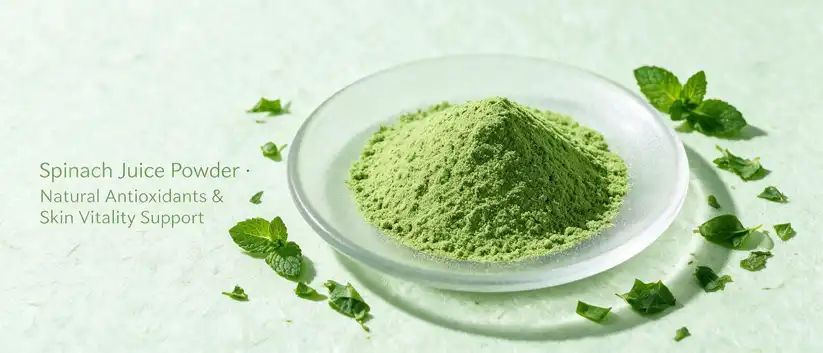
The color of premium Spinach juice powder is dark to deep green, and it smells like fresh vegetables, which means the cooking temperature was just right. The 80 mesh particle size standard makes sure that the particles are evenly spread in liquids while still having enough surface area for quick hydration. Using ultraviolet spectrophotometry to test gives accurate measurements of chlorophyll, which is the main bioactive compound that gives plants their color and antioxidant properties.
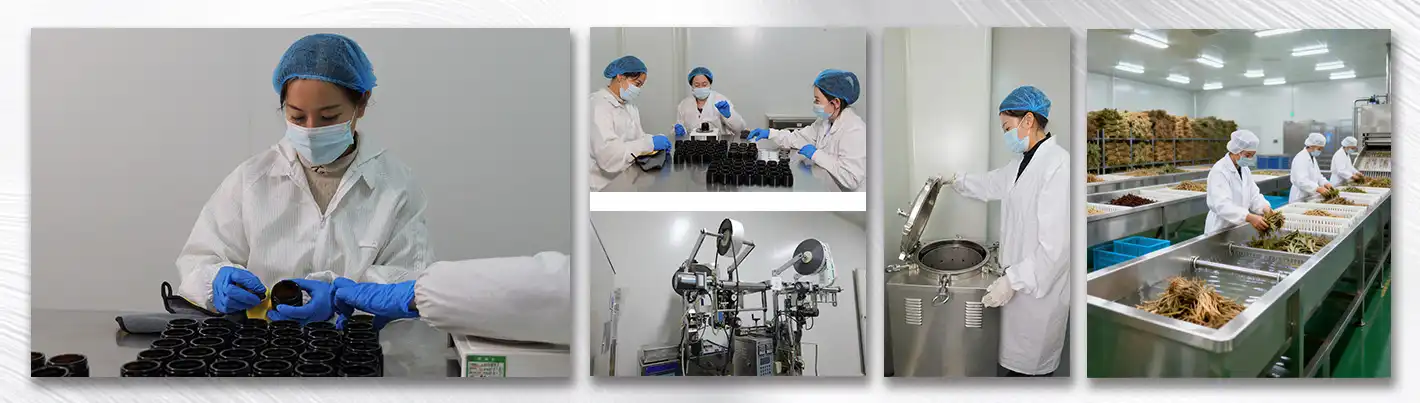
Suppliers you can trust keep a full portfolio of certifications that show they follow international quality standards. Getting ISO9001 certification proves that quality management processes and protocols for continuous improvement are being followed. GMP compliance means that production standards for pharmaceuticals are being met, which is especially important for food supplement uses. Kosher and Halal certifications make it easier for certain types of customers to buy things. FDA registration means that a product is willing to follow U.S. legal rules, but it does not mean that the product is officially approved. Ask for up-to-date certificates with expiration dates, and use independent registries to check the legitimacy of the issuing body.
Professional makers are different from basic processors because they can test their products in a lab. Advanced facilities do tests on the moisture content to stop the growth of microbes, the heavy metals lead and cadmium, the pesticide residues of common farming chemicals, and microbiology tests to make sure pathogens like E. coli are not present. Salmonella and E. coli. Suppliers should be happy to give Certificates of Analysis for every batch of production, which show that the test results meet the requirements.
Supply Chain Reliability and Logistics Capabilities
Formulation problems and production delays can be avoided if products are always available. Check out how your suppliers handle their inventory, such as their safety stock levels and reorder planning methods. Lead time variability is kept to a minimum by manufacturers who keep enough stock on hand and can ship it quickly. Packaging in 25 kg drums is the standard for bulk quantities in the industry. This size balances material protection with ease of handling, but other flexible packaging choices can be used for a range of order amounts.
Having a variety of shipping methods shows that your logistics are advanced. Sample requests and small restocking orders that need to be sent out right away can use express delivery. When medium-sized amounts need to get to market quickly, air freight strikes a good balance between speed and cost-effectiveness. Sea freight is still the best way to buy things in large quantities when longer transport times don't cause too much trouble. When a supplier offers more than one delivery term, it shows that they can be flexible with different buying situations. For example, FOB (Free on Board) means that the risk is transferred when the vessel is loaded, CIF (Cost Insurance Freight) means that the supplier takes care of both transportation and insurance, and DDP (Delivered Duty Paid) means that the supplier handles all customs clearance.
Pricing Structures and Payment Flexibility
Clear pricing builds trust and makes it easier to plan your spending. Ask for specific quotes that break down the prices of the base materials, processing fees, packaging costs, and shipping costs. Setting prices based on volume makes it easier to grow while keeping costs stable. Starting at 1 kg, the smallest order quantity allows for R&D projects and pilot production without requiring too much capital. This is especially helpful for startups testing market ideas.
Payment terms show how stable a supplier's finances are and how much they care about their customers. In business-to-business deals, bank transfers via T/T are still common. Usually, a 30% payment is required, and the remaining 70% is due before the shipment. People who already do business with each other may be able to agree on longer terms, like 60-day payment windows, which can help with managing cash flow. Be wary of providers who want full payment up front without seeing any production history. This could mean that they are financially unstable or don't have enough manufacturing capacity.
Comparing Different Spinach Juice Powder Options on the Market
Understanding what makes a product different lets you make an informed choice that fits the needs of your application and your target market.
Juice Powder Versus Whole Leaf Powder Distinctions
Spinach juice powder and regular spinach powder are made using very different methods and have very different properties as a result. To make juice powder, the liquid from fresh leaves is mechanically extracted, and then the concentrated juice is sprayed dry. When compared to whole leaf powder made by directly drying and crushing the leaves, this method makes the powder more soluble in water, smoother in the mouth, and lower in fiber. The better dissolution properties of juice powder make it useful for uses that need instant dispersion in drinks. On the other hand, whole leaf powder has more dietary fiber, which makes it a good choice for products that focus on making you feel full and improving digestive health.
The way that good Spinach juice powder dissolves in water makes it easy to add to clear drinks, protein shakes, and instant soup recipes where the suspension of particles is important. A small amount of solubility in ethanol lets it be used to make tinctures and alcoholic drinks, but the polysaccharide content still stops it from dissolving completely. Testing the solubility properties using the planned formulation materials during sample review stops problems with reformulation after the product has been released.
Organic Certification Considerations and Market Positioning
When deciding between organic and conventional sources, you have to do a cost-benefit study and weigh the benefits of market standing against the higher costs of certification. Organic spinach juice powder that is organic typically costs 20–40% more than regular Spinach juice powder because of higher production costs, higher licensing fees, and different yields due to pest control limits. However, the organic label sets products apart for health-conscious customers and meets the growing demand for clean labels in North American and European markets.
For USDA or EU organic certificates, full records must be kept from the time the plants are grown in the field until they are packaged. Check that the supplier's claims of organic products are backed up by real certificates that cover the particular product being sold. Some companies run both organic and conventional production lines at the same time. Concerns about pesticide residue are also addressed by organic certification, which adds to the safety of baby nutrition and high-end supplement formulas where customers carefully check the purity of the ingredients.
Evaluating Supplier Reputation Through Due Diligence
Evaluation of a brand's image includes more than just marketing claims; it also looks at the company's actual performance history. Ask for client references from companies in the same industry and with similar order volumes. Established suppliers are happy to put potential customers in touch with current customers who can vouch for the quality of their products, how quickly they respond to communications, and how well they can solve problems. Online resources like global trade listings give background information on suppliers, but it's still important to get independent confirmation.
Starting relationships with small trial orders lowers the financial risk while testing how well the two systems work together. Test orders to see not only how good the products are, but also how quickly and easily they are processed, how well the packaging stays together during shipping, how accurate the paperwork is, and how quickly and easily you can get help after delivery. This practical method shows what a supplier can do more regularly than just promotional materials.
Steps to Initiate and Manage Supplier Relationships Effectively
Successful procurement goes beyond simple transactions and builds partnerships that work together to benefit both parties in the long run.
Sample Request Protocols and Quality Assessment
A full sample evaluation stops expensive mistakes from happening when the supplier's skills don't match the needs of the application. Ask for samples that come with technical data sheets that list the production date, batch number, full compositional analysis, and storage suggestions. The testing procedures should check that the product's look matches the given specs, that its smell matches what you'd expect from fresh spinach, and that it spreads out properly in the formulation matrices that were designed for it.
Put samples through rapid stability tests by heating and humidifying them, then check for color retention, clumping tendency, and microbial stability. This mimics conditions of a longer shelf life, showing any quality problems that might arise before committing to large orders. Ask the production teams for feedback on how the formulation handles during manufacturing trials. This is because operating suitability affects the total formulation costs in ways other than the price of the raw materials.
Contract Negotiation and Agreement Structuring
Formal agreements spell out what is expected of each party and set up systems for holding people accountable, which protects both sides. In contracts, product details like mesh size, moisture content limits, chlorophyll concentration ranges, and allowable deviations should be made clear. Set up clear quality assurance rules that include sample methods, testing processes, and ways to settle disagreements when deliveries don't meet specifications.
Negotiating minimum order quantities, lead time commitments, and delivery schedules that work with production planning cycles keeps your inventory from going out of date and makes sure you have enough on hand for emergencies. Include ways for order quantities to be changed to accommodate changes in demand. This is especially important for seasonal products or market-testing projects. When developing proprietary formulations, OEM and ODM agreements need extra clauses that cover intellectual property rights, privacy, and terms of exclusivity.
Communication Infrastructure and Technical Support
Respondent channels of communication set excellent suppliers apart from average ones. Make sure you have a designated account manager who can answer questions about formulation, regulation issues, and production problems. Support for multiple languages lowers the chance of misunderstandings in foreign partnerships, but sellers vary a lot in how well they speak these languages.
Today's business-to-business interactions use digital tools for communication that let people work together in real time. Proactive supply chain management is made easier by suppliers who offer online order tracking systems, inventory visibility dashboards, and clear production schedules. Regular quality review meetings, whether they're in person or online, keep everyone on the same page about changing requirements and deal with new problems before they become big enough to cause problems with operations.
Practical Tips and Best Practices for Global B2B Procurement of Spinach Juice Powder
When you buy things from other countries, the rules and logistics can be complicated, so you need to know a lot about them and handle your risks in a planned way.
Regulatory Compliance and Documentation Requirements
For cross-border food trade to happen, all regulations must be followed. Food facilities that want to sell food to the United States must be registered with the FDA. However, registration does not mean that a product is approved. Suppliers should show proof that their products are generally recognized as safe (GRAS) for use in food or that they follow the rules for dietary supplements in 21 CFR Part 111. When goods are brought into the European Union, they have to follow the Novel Food laws and the limit residue amounts for herbicides set by EC regulations.
Accurate paperwork is needed for quick customs clearance. This includes commercial invoices with detailed product descriptions and harmonized tariff codes, certificates of analysis that prove specifications are met, phytosanitary certificates that prove agricultural products are safe, and certificate of origin documents that support trade agreements that give preferential tariff treatment. Experienced providers keep templates of paperwork that can be used to speed up customs handling and cut down on clearance delays.
Storage Optimization and Shelf Life Management
When products are stored properly, they keep their quality throughout the distribution network. Spinach juice powder is hygroscopic, which means it easily absorbs water from the air. This speeds up the growth of microbes and helps the powder form a crust. Temperatures should stay below 25°C, and relative humidity should stay below 60% in storage areas. Climate-controlled warehouses are best for this. Putting things in drums with silica desiccant packets that block moisture increases their shelf life, which should last between 24 and 36 months in ideal conditions.
Use first-in, first-out inventory rotation rules to keep old stock from building up. Set reorder points that will cause product to be restocked before it goes bad. This is especially important for organic varieties that don't have manmade preservatives, so they have shorter shelf lives. Quality testing stored inventory on a regular basis finds degradation before it gets used in finished products. This keeps expensive refunds and damage to the brand's image at bay.
Technology-Enabled Procurement Optimization
Through better openness and data analytics, digital buying platforms change the way standard sourcing processes work. Objective evaluations of vendors are possible with supplier performance dashboards that keep track of metrics like on-time delivery rates, quality acceptance percentages, and responsiveness. Electronic quality management systems turn certificates of analysis into digital files, which makes it easier to quickly check specifications and get ready for regulatory audits.
Blockchain-based traceability systems, which are being used more and more by premium ingredient suppliers, keep permanent records of products from the time they are grown until they are delivered. Concerns about food fraud are eased by this technology, which also backs up marketing claims about healthy buying practices. Costs of implementation make broad adoption hard right now, but early adopter suppliers show that they are tech-savvy and committed to openness, which is something that quality-conscious brands value more and more.
Conclusion
Quality certifications, production skills, organizational flexibility, and pricing are just a few of the factors that must be considered when choosing a provider of Spinach juice powder. Due diligence, sample validation, and structured communication methods are all things that lead to successful relationships. Instead of just fulfilling transactional orders, the ideal supplier is a strategic partner that helps with new product development, regulatory compliance, and market growth. By consistently judging suppliers based on a wide range of criteria and setting clear contractual frameworks, procurement teams find reliable ingredient sources that help differentiate products and make operations more resilient in competitive markets.
FAQ
1. What certifications should I verify when evaluating suppliers?
Some important certifications are ISO9001 for quality management systems, GMP for pharmaceutical-grade manufacturing standards, and FDA registration for knowing about U.S. regulations. Kosher and Halal certifications make it easier for products that are aimed at certain groups of people to reach more markets. Organic approvals, such as USDA Organic or EU Organic, prove that farming methods don't use pesticides. Always ask for up-to-date copies of certificates with expiration dates, and check the granting bodies through separate records to make sure they are real.
2. How can I test sample quality effectively before bulk ordering?
A full evaluation looks at how consistent the product looks, including how the colors are distributed and the sizes of the particles, as well as how well the smell matches what you'd expect from a fresh vegetable. Test the stability in your specific recipe matrix, keeping an eye on how fast the ingredients disperse and how much residue forms. Accelerated stability tests at high temperatures and humidity levels show problems that could happen with degradation. Microbiological testing makes sure there are no germs, and heavy metal screening makes sure safety rules are followed. Using third-party labs gives you unbiased validation of your analyses.
3. What is the typical shelf life and optimal storage for this ingredient?
Spinach juice powder of high quality keeps its effectiveness for 24 to 36 months when stored at temperatures below 25°C and relative humidity below 60%. Hygroscopic degradation can be stopped by packaging in sealed drums with desiccant packets that block moisture. Storing food in the fridge makes it last longer, but if you have weather controls, storing food at room temperature is fine too. Check stored goods on a regular basis for color loss, bad smells, and microbial growth, all of which can be signs of quality loss. Use first-in, first-out rules to rotate goods and keep them from going bad.
Partner with BioSpark for Premium Spinach Juice Powder Supply
With dependable manufacturing skills and customer-focused service, BioSpark is prepared to assist you in finding Spinach juice powder. Our ISO9001, GMP, Kosher, Halal, and FDA-certified 5A-level plant in China makes high-quality green veggie powders that meet strict international standards. We keep enough stock on hand to offer fast shipping around the world by express, air, and sea freight, with flexible terms such as FOB, CIF, and DDP. Our prices are reasonable, and we can handle orders ranging from as little as 1 kg to big amounts in bulk. We also offer full OEM and ODM customization to meet your specific formulation needs. Email our team at leao@biosparkcn.com to get samples, talk about technical details, or look into private label options. We want to become your long-term trusted business partner.
References
1. Johnson, M. & Williams, R. (2022). Quality Assurance in Botanical Extract Manufacturing: Standards and Best Practices. International Journal of Food Science and Technology, 57(4), 2318-2329.
2. Chen, L., Zhang, Y., & Wang, H. (2021). Chlorophyll Stability and Bioavailability in Processed Green Vegetable Powders. Food Chemistry, 342, 128356.
3. Roberts, S. K. (2023). Global Supply Chain Management for Nutraceutical Ingredients. CRC Press, Boca Raton, Florida.
4. Anderson, P. T. & Martinez, J. (2022). Regulatory Compliance in International Botanical Trade: A Practical Guide for Importers. Springer Nature, New York.
5. European Food Safety Authority (2021). Assessment of Nutritional Composition and Safety of Dried Vegetable Powders. EFSA Journal, 19(3), e06421.
6. Liu, X., Thompson, D., & Kumar, S. (2023). Advances in Spray Drying Technology for Phytonutrient Preservation. Drying Technology, 41(2), 187-203.

Send Inquiry
Related Industry Knowledge
- Is Longan powder the Right Ingredient for Your Next Product?
- Maqui Berry Powder for Eye Health: Dry Eye & Retinal Protection
- Maqui Berry Powder for Eye Health: Dry Eye & Retinal Protection
- Maqui Berry Powder for Eye Health: Dry Eye & Retinal Protection
- Maqui Berry Powder for Eye Health: Dry Eye & Retinal Protection
- Maqui Berry Powder for Eye Health: Dry Eye & Retinal Protection
- Maqui Berry Powder for Eye Health: Dry Eye & Retinal Protection
- Maqui Berry Powder for Eye Health: Dry Eye & Retinal Protection
- Maqui Berry Powder for Eye Health: Dry Eye & Retinal Protection
- Maqui Berry Powder for Eye Health: Dry Eye & Retinal Protection
- Maqui Berry Powder for Eye Health: Dry Eye & Retinal Protection
- American Ginseng Extract Powder for Nootropic and Brain Health Formulas
- Does nature artichoke extract support bile production naturally?
- Is Apple Peel Extract Powder Good for Skin Whitening?
- Ganoderma Extract Powder Trends for 2026 Health Markets
- Top Uses of Oyster Shell Extract Powder in Nutraceuticals
- Natural Calcium Boost: Oyster Shell Extract Powder Explained
- Can Fulvic Acid Powder Help Improve Energy and Mood?